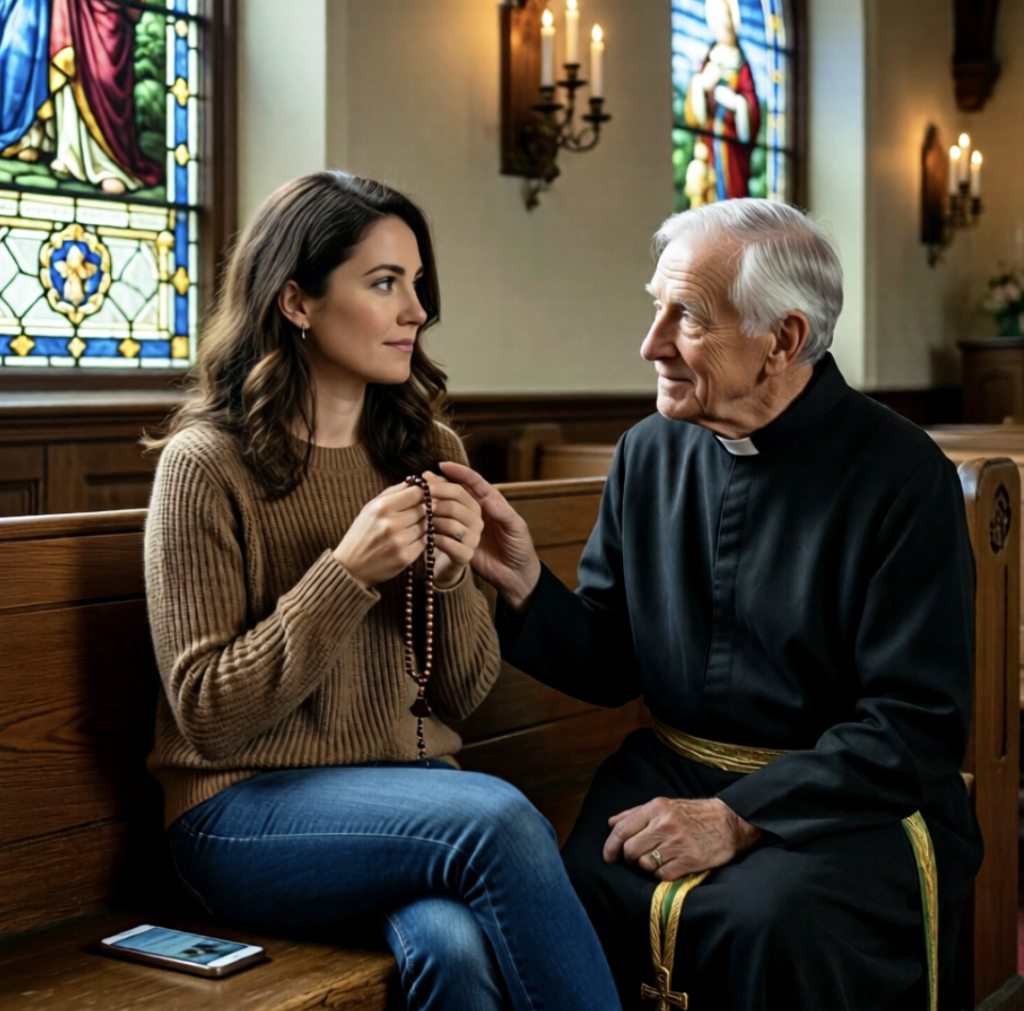
Understanding the Peace We Seek: How Small Spiritual Doors Can Impact Our Prayer Life
The quest for inner peace often feels like an elusive journey, especially for those who faithfully dedicate themselves to prayer. Many devout souls commit to daily devotions, attend sacred services, and carry symbols of their faith, yet find themselves continually battling anxiety, restlessness, and a pervasive sense of disquiet. This paradox suggests that the path to true tranquility may involve more than just the prayers we offer.
It beckons us to consider the subtle yet profound influence of “small spiritual doors” we might inadvertently leave open in our lives. These aren’t grand gateways to sin or rebellion, but rather minor apertures that, through habit or oversight, allow unwelcome influences to seep back into the spiritual sanctuary we strive to create.
Imagine beginning each day with a sincere conversation with the Divine, pouring out your heart, seeking solace, and inviting grace. This act of communion is powerful, laying a foundation of faith and trust. Yet, what happens in the immediate moments following this sacred time?
For many, the transition from prayer to daily life is abrupt. The silence of reflection is quickly filled with the clamor of the world—notifications pinging, news headlines flashing, social media feeds scrolling. These mundane actions, seemingly harmless, can act as those small spiritual doors.
They reopen channels for worry, comparison, fear, and distraction, which can swiftly undermine the peace established during prayer. The very peace we sought from God can dissipate as we immediately invite the very anxieties we just asked Him to help us overcome.
This isn’t to say that the world itself is inherently evil, or that engaging with daily responsibilities is wrong. Instead, it highlights the importance of conscious transition and the intention behind our actions. It asks us to consider who or what we allow to speak to us next after we’ve just spent time listening to God.
The wisdom of the ages, echoed in various spiritual traditions, often speaks to the guarding of the heart and mind. The Apostle Paul, in Philippians 4:7, promises “the peace of God, which transcends all understanding, will guard your hearts and your minds in Christ Jesus.” This guarding is an active, ongoing process, not merely a one-time request.
It requires discernment about what we permit to enter our inner landscape, especially after we have intentionally invited divine presence. If we pray for trust, then immediately immerse ourselves in alarming narratives, we are opening a door that challenges the very trust we just sought to cultivate.
If we pray for contentment, then immediately engage in endless comparisons, we are inviting dissatisfaction back in. The challenge lies not in the sincerity of our prayers, but in our subsequent vigilance.
Protecting this peace means being mindful of our post-prayer habits. It means recognizing that the atmosphere of our inner life is shaped not only by what we invite in, but also by what we choose to keep out.
This awareness transforms prayer from a momentary interaction into a foundational state that we are called to maintain throughout the day. It teaches us that peace is not merely a gift to receive, but also a treasure to guard carefully.
Just as a physical home needs its doors and windows secured to protect its inhabitants, so too does our spiritual home require a conscious effort to close those small openings that allow unwanted guests to enter. This insight doesn’t diminish the power of prayer; rather, it amplifies it by highlighting our role in preserving the grace received.
May we all cultivate a deeper awareness of these subtle entries, learning to protect the sacred space within us. And as we rise from our prayers each morning, may we remember not to hand the keys back to fear or distraction, but instead, to actively safeguard the divine peace that resides within.
