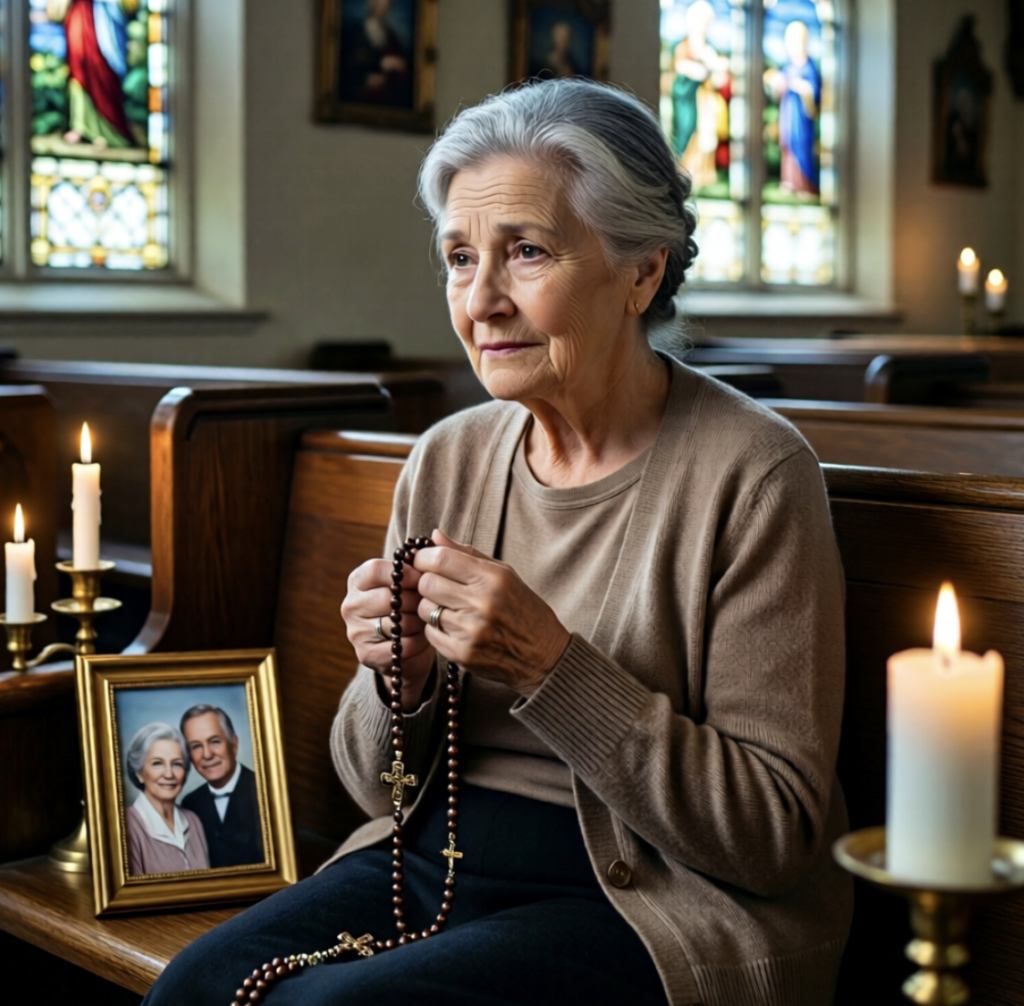
The significance of praying for the dead: finding comfort and connection in Catholic tradition after loss
The sting of loss leaves an indelible mark on the human heart, often making us feel untethered and alone in our sorrow. When someone we cherish passes from this life, an invisible thread seems to snap, leaving behind a void that words often fail to fill. Yet, within the rich tapestry of Catholic tradition, there lies a practice that offers not only solace but a profound sense of ongoing connection: praying for the dead.
This spiritual discipline extends beyond mere remembrance; it is an active expression of enduring love and hope. For centuries, the Church has taught that our relationships with those who have died do not cease, but merely transform, continuing within the communion of saints. This belief provides a powerful framework for navigating the often-overwhelming landscape of grief.
The Catechism of the Catholic Church affirms the goodness and even the duty of praying for the dead, noting that our prayers can assist those in Purgatory. This theological understanding is rooted in Scripture, such as the Second Book of Maccabees, which speaks of making atonement for the dead so that they might be delivered from sin. While not universally accepted across all Christian denominations, this tradition holds deep significance within Catholicism.
Beyond its theological implications, praying for the deceased offers immense psychological and spiritual benefits to the living. When grief threatens to consume, the act of prayer redirects our focus from overwhelming absence to a continued act of giving. It transforms passive sorrow into an active expression of love, reminding us that even in death, our capacity to care for and influence those we have lost endures through God’s grace.
For many, this practice becomes a vital lifeline, transforming a sense of powerlessness into a renewed purpose. Instead of feeling that nothing more can be done, prayer provides a tangible way to express ongoing affection, concern, and hope for the soul of the departed. It allows us to place our loved ones repeatedly into the merciful hands of God, trusting in His ultimate love and justice.
The spiritual bond created through prayer can be deeply comforting. It reinforces the belief that death is not an absolute end, but a transition, and that our love for those who have gone before us can still reach them in the spiritual realm. This ongoing connection helps to alleviate the acute loneliness that often accompanies bereavement, fostering a sense of continued relationship rather than stark separation.
Moreover, the tradition of praying for the dead is often intertwined with specific Catholic practices, such as offering Mass intentions for the repose of a soul, reciting the Rosary, or visiting gravesites. These rituals provide concrete ways for individuals and families to engage with their faith during times of loss, offering a communal and personal pathway for expressing grief and hope.
This practice is not about denying the pain of loss or pretending that sorrow does not exist. Rather, it offers a sacred space where grief can be acknowledged, transformed, and ultimately offered to God. It is a testament to the enduring power of love, demonstrating that even when physical presence is gone, the spiritual connection remains, nourished by faith and sustained by prayer.
In moments of profound sadness, when words seem inadequate and the heart aches with longing, turning to prayer for our beloved dead can be a source of profound peace. It is a beautiful expression of Catholic belief, reminding us that in Christ, all are united, and love truly does transcend the boundaries of life and death.
Let us remember in our prayers those who have gone before us, trusting in God’s infinite mercy.
Eternal rest grant unto them, O Lord, and let perpetual light shine upon them. May their souls, and all the souls of the faithful departed, through the mercy of God, rest in peace. Amen.
