Complete Guide to Growing and Caring for Pothos Plants
The pothos plant, also known as Epipremnum aureum, is one of the most popular and resilient houseplants worldwide. Known for its attractive heart-shaped leaves and trailing vines, pothos is an excellent choice for both novice and experienced plant lovers. This versatile plant can thrive in a variety of indoor environments, making it a favorite for home and office décor. In this comprehensive guide, we will explore everything you need to know about pothos care, including watering, lighting, propagation, and common issues to watch out for.
Essential Tips for Pothos Plant Care
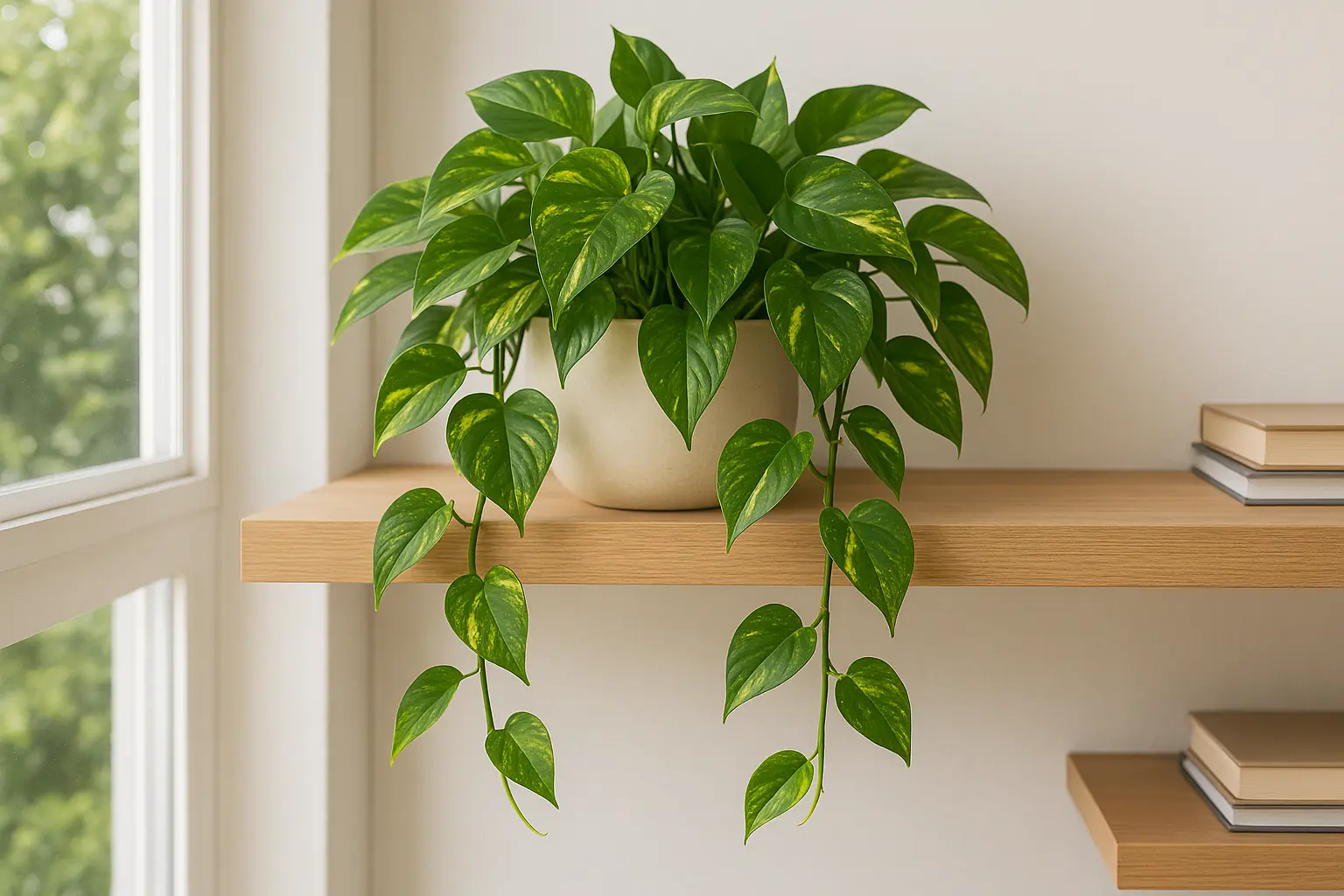
Understanding the basic needs of your pothos plant is crucial to keeping it healthy and vibrant. Here are some essential tips to ensure your pothos thrives:
Lighting Requirements
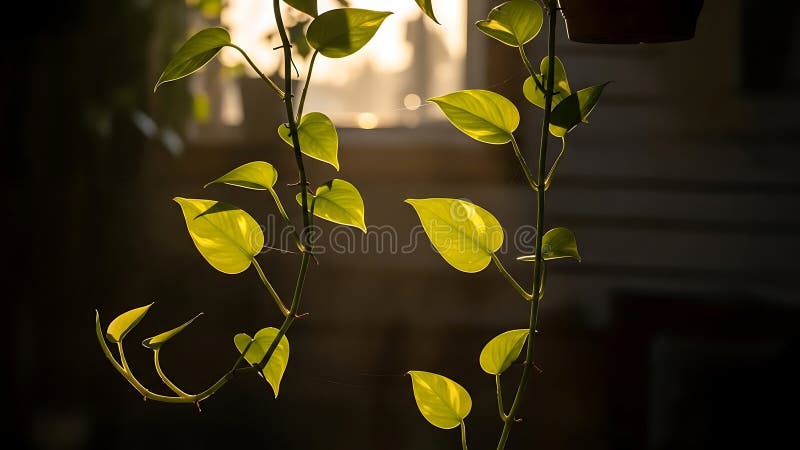
Pothos plants are highly adaptable when it comes to lighting. They prefer bright, indirect light but can tolerate low light conditions, making them perfect for indoor spaces with limited natural sunlight. However, placing your pothos in direct sunlight can cause the leaves to scorch and lose their vibrant color. For best results, position your plant near a north or east-facing window where it receives filtered light.
Watering Schedule
Overwatering is one of the most common mistakes made with pothos plants. These plants prefer their soil to dry out between waterings. A good rule of thumb is to water your pothos every 1-2 weeks, depending on the humidity and temperature of your home. Always check the top inch of soil; if it feels dry, it’s time to water. Make sure your pot has proper drainage to prevent root rot.
Humidity and Temperature
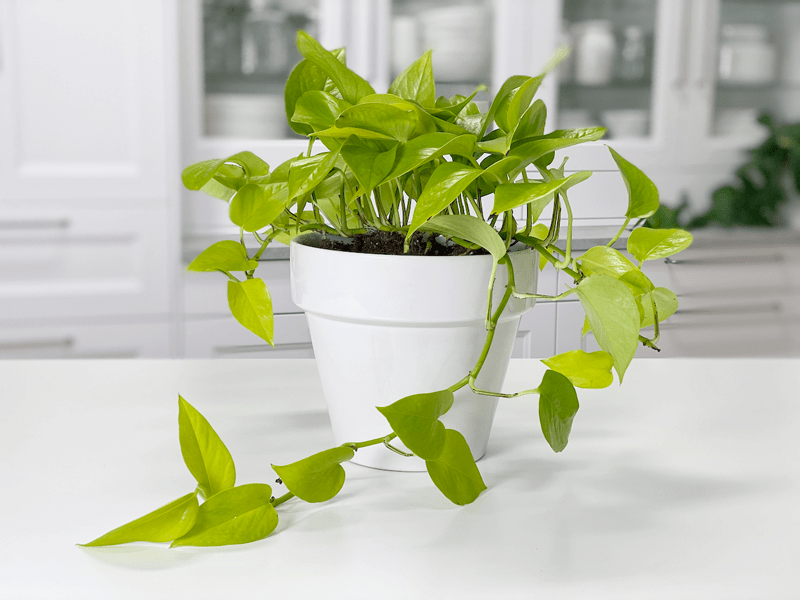
Pothos plants thrive in average household humidity and temperatures ranging from 65°F to 85°F (18°C to 29°C). While they can tolerate occasional temperature drops, avoid placing them near cold drafts or heating vents. If your home is particularly dry, especially during winter, consider misting the leaves occasionally or using a humidifier to maintain optimal humidity levels.
Fertilizing Your Pothos
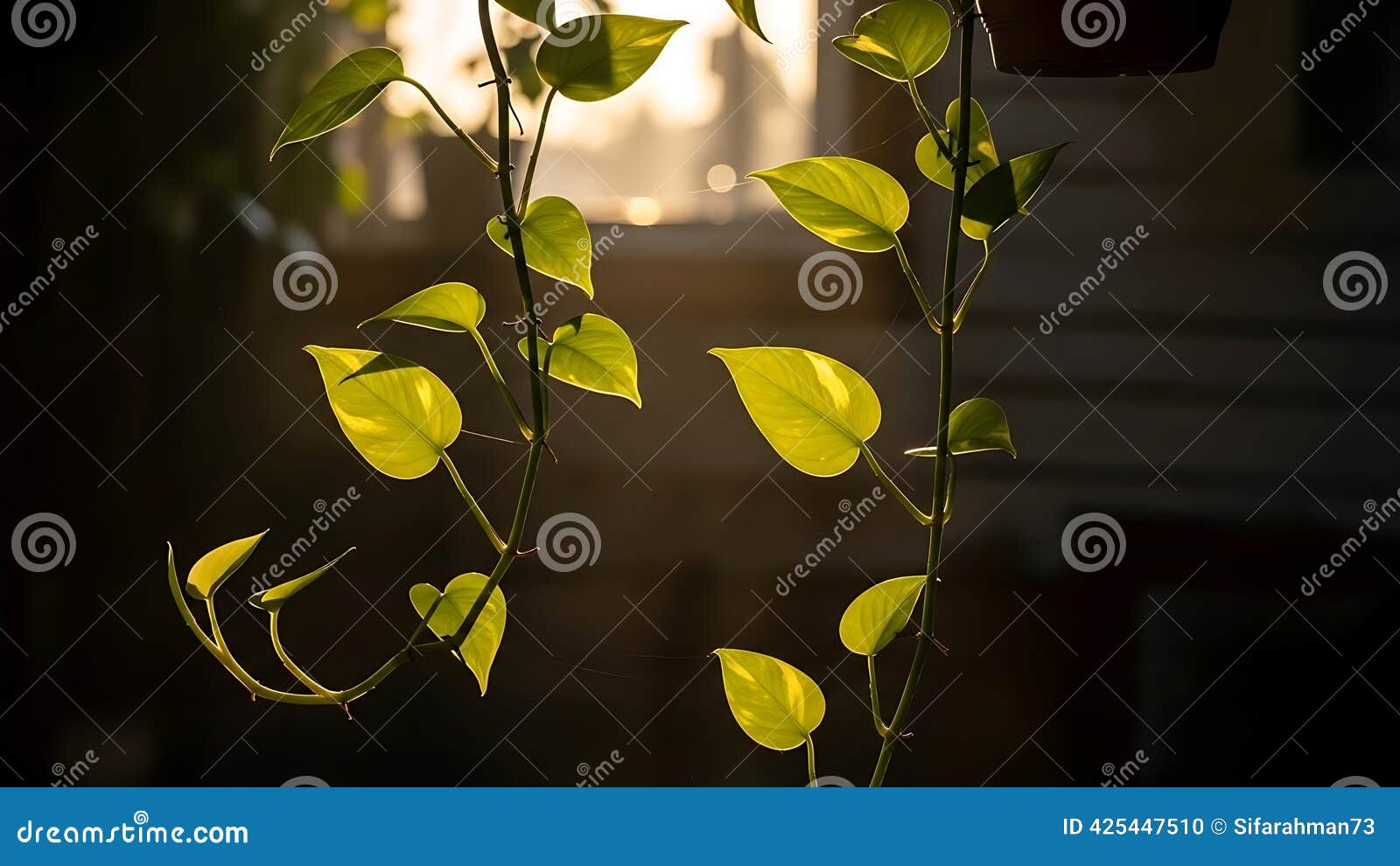
To encourage lush growth, feed your pothos with a balanced, water-soluble fertilizer every 4-6 weeks during the growing season (spring and summer). Avoid fertilizing in the winter months when the plant’s growth naturally slows down. Over-fertilizing can lead to salt buildup in the soil, so always follow the recommended dosage on the fertilizer package.
Propagation Techniques
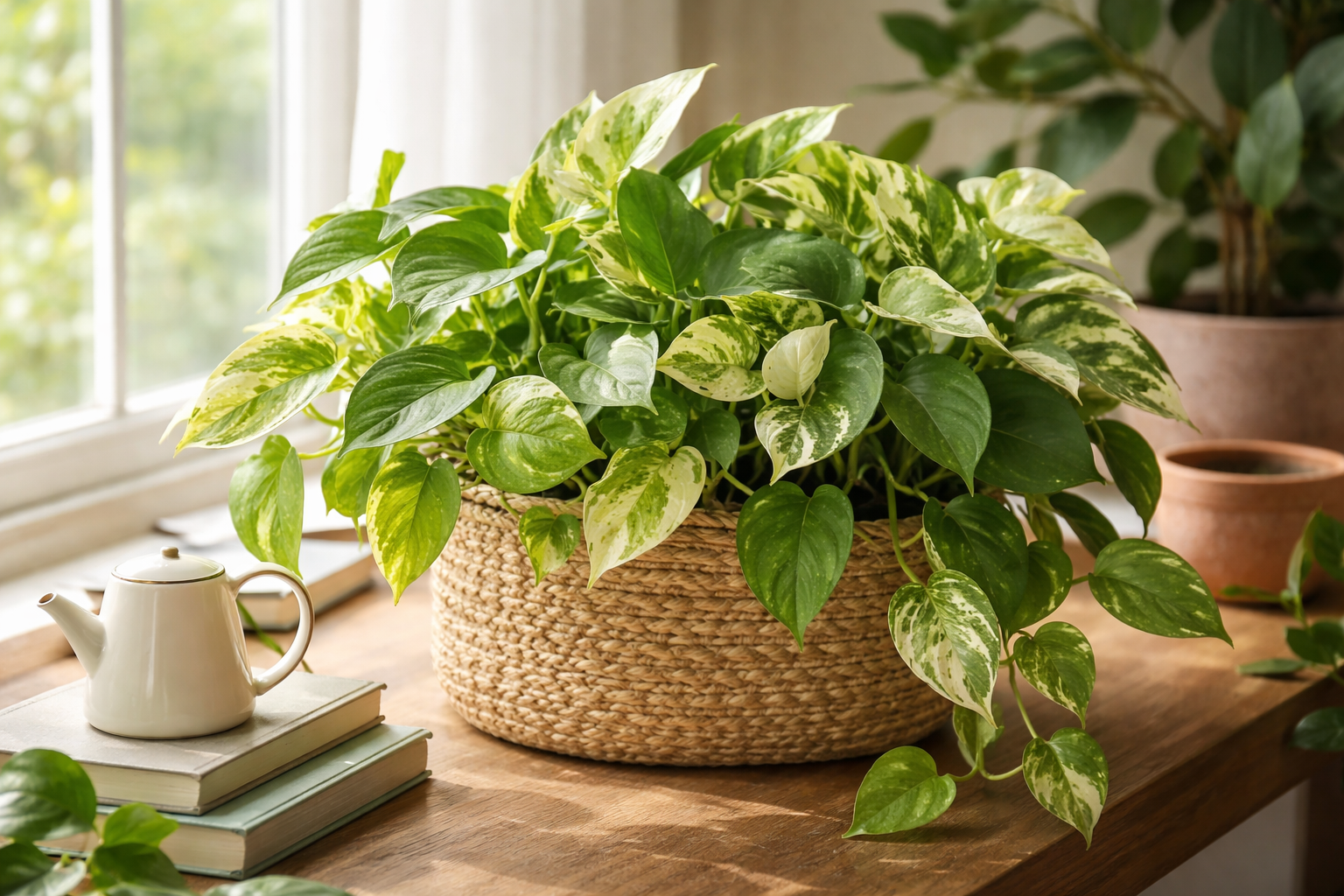
One of the most rewarding aspects of growing pothos is how easy it is to propagate. You can multiply your plants by taking stem cuttings and rooting them in water or soil. Here’s a simple method:
- Cut a 4-6 inch stem with at least 4 leaves and a few nodes (small bumps where roots will grow).
- Place the cutting in a jar of water, ensuring the nodes are submerged.
- Keep the jar in a warm spot with indirect light and change the water every few days.
- Once roots are about 2 inches long, transplant the cutting into soil.
Common Problems and Solutions
While pothos plants are generally hardy, they can face a few issues:
- Yellowing leaves: Often caused by overwatering or poor drainage. Adjust watering habits and ensure your pot drains well.
- Brown leaf tips: May indicate low humidity or inconsistent watering. Increase humidity and maintain a regular watering schedule.
- Pests: Watch for spider mites, mealybugs, and scale insects. Treat infestations with insecticidal soap or neem oil.
Why Pothos is the Perfect Indoor Plant
Pothos is not only easy to care for but also offers several benefits that make it an ideal choice for indoor gardening. Its air-purifying qualities help remove toxins such as formaldehyde and benzene from the air, contributing to a healthier living environment. Additionally, its trailing vines can be trained to climb or cascade, adding a lush, green aesthetic to any room. Whether you’re looking to brighten up your workspace or add a touch of nature to your living room, pothos is a versatile and low-maintenance option.
Decorating with Pothos
The flexible growth habit of pothos allows for creative decorating ideas. Use hanging baskets to showcase cascading vines, or train the plant along shelves and trellises for a vertical garden effect. Pothos also pairs well with other houseplants, creating a diverse and vibrant indoor jungle. Its ability to thrive in low light makes it perfect for bathrooms, bedrooms, and offices.
Tips for Long-Term Pothos Health
To keep your pothos looking its best over time, regularly prune dead or yellowing leaves to encourage new growth. Repot your plant every 1-2 years to refresh the soil and provide room for roots to expand. Monitoring your plant’s environment and adjusting care as needed will ensure your pothos remains a thriving centerpiece in your home.
Conclusion
Pothos plants are an excellent choice for anyone looking to add greenery to their indoor space with minimal effort. Their adaptability, ease of care, and air-purifying properties make them a favorite among plant enthusiasts. By following the care tips outlined in this guide, you can enjoy a healthy, vibrant pothos that enhances your home’s atmosphere. Ready to start your pothos journey? Grab a cutting or a new plant today and experience the joy of growing this beautiful, resilient vine!
