pruning
Meta description:
Pruning is an essential gardening practice that promotes healthy plant growth, improves fruit production, and enhances the overall appearance of your garden. By understanding the right techniques and timing for pruning, gardeners can ensure their plants thrive year-round. This comprehensive guide covers everything you need to know about pruning, from basic methods to advanced tips, helping you maintain a vibrant and flourishing garden.
Pruning: The Key to a Healthy and Beautiful Garden
Pruning is one of the most important tasks in gardening that helps maintain the health, shape, and productivity of plants. Whether you are growing fruit trees, shrubs, or ornamental plants, knowing how and when to prune can make a significant difference in the vitality of your garden. This article will explore the fundamentals of pruning, including its benefits, techniques, and best practices to help you become a confident gardener.
Why Pruning is Essential for Plant Health
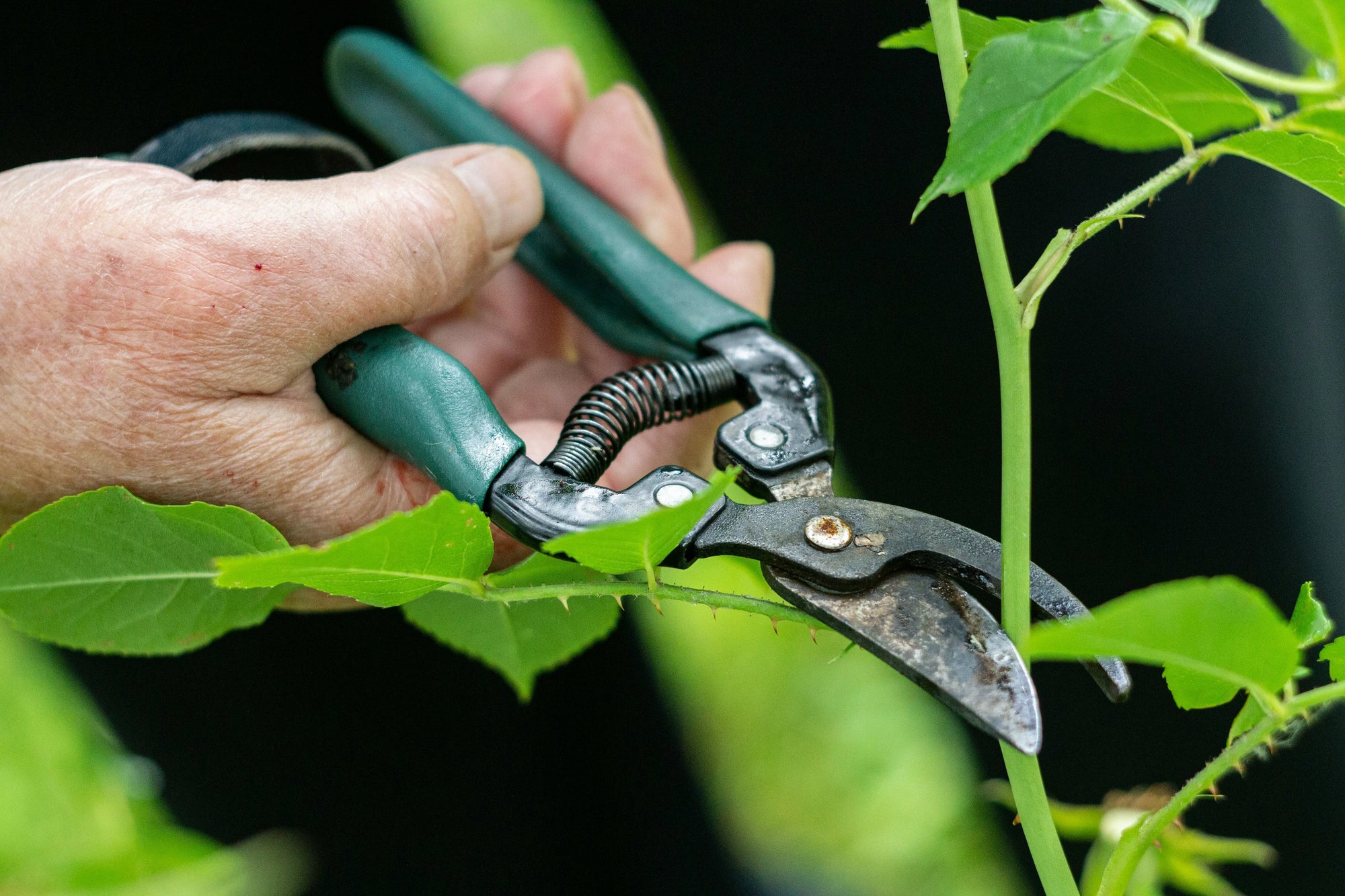
Pruning involves the selective removal of certain parts of a plant, such as branches, buds, or roots. This process stimulates growth, removes dead or diseased parts, and improves air circulation within the plant canopy. Proper pruning encourages plants to focus their energy on producing new shoots and flowers, which leads to a more robust and attractive garden.
One of the primary reasons to prune is to prevent the spread of diseases. Dead or damaged branches can harbor pests and pathogens that threaten the entire plant. By cutting these away promptly, you reduce the risk of infection and promote a healthier environment for your plants. Additionally, pruning helps control the size and shape of plants, making them easier to manage and more aesthetically pleasing.
Basic Pruning Techniques Every Gardener Should Know

Understanding the right pruning techniques is crucial to avoid damaging your plants. Here are some fundamental methods:
– **Thinning:** This technique involves removing entire branches back to their point of origin. Thinning improves light penetration and air circulation, which reduces disease risk and encourages healthy growth.
– **Heading:** Heading cuts shorten branches by cutting back to a bud or lateral branch. This stimulates the growth of new shoots and helps shape the plant.
– **Pinching:** Often used for herbaceous plants, pinching involves removing the tips of stems to encourage bushier growth.
When pruning, always use clean, sharp tools to make precise cuts. Cut at a slight angle just above a bud facing outward to encourage outward growth and prevent water from settling on the cut surface.
When is the Best Time to Prune?
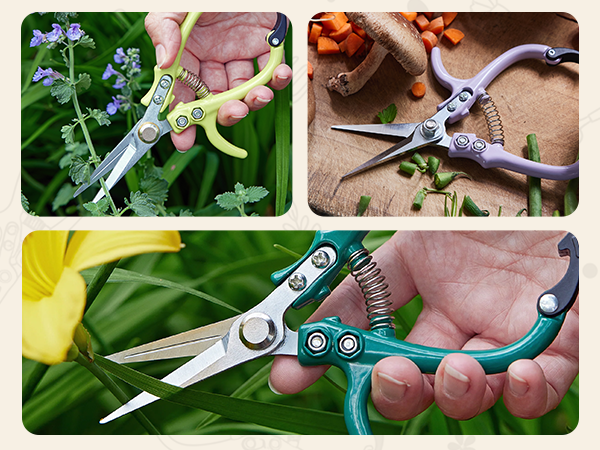
Timing your pruning activities correctly is vital for optimal results. Most plants benefit from pruning during their dormant season, typically late winter or early spring, before new growth begins. This timing minimizes stress and allows wounds to heal quickly.
However, some plants have specific pruning schedules. For example, spring-flowering shrubs should be pruned immediately after they bloom to avoid cutting off next year’s flower buds. Conversely, summer-flowering plants are best pruned in late winter or early spring.
Always research the specific requirements for each plant species in your garden to ensure you prune at the right time.
Advanced Pruning Tips for Fruit Trees and Shrubs
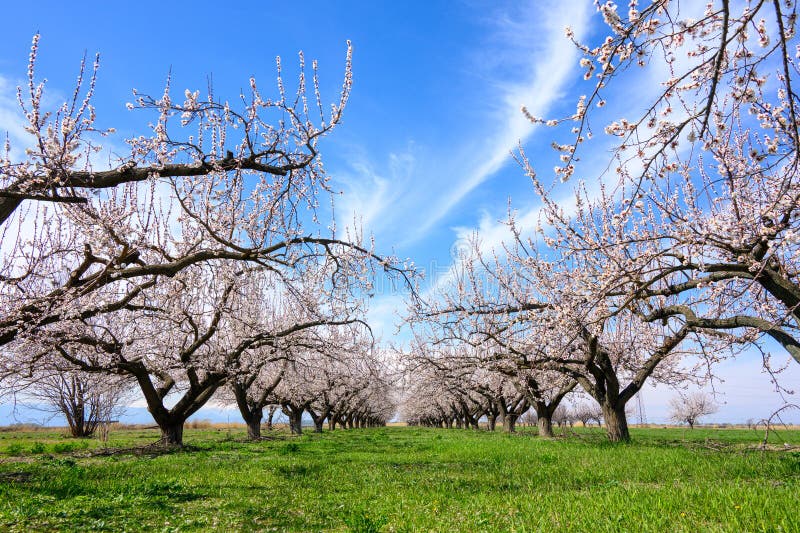
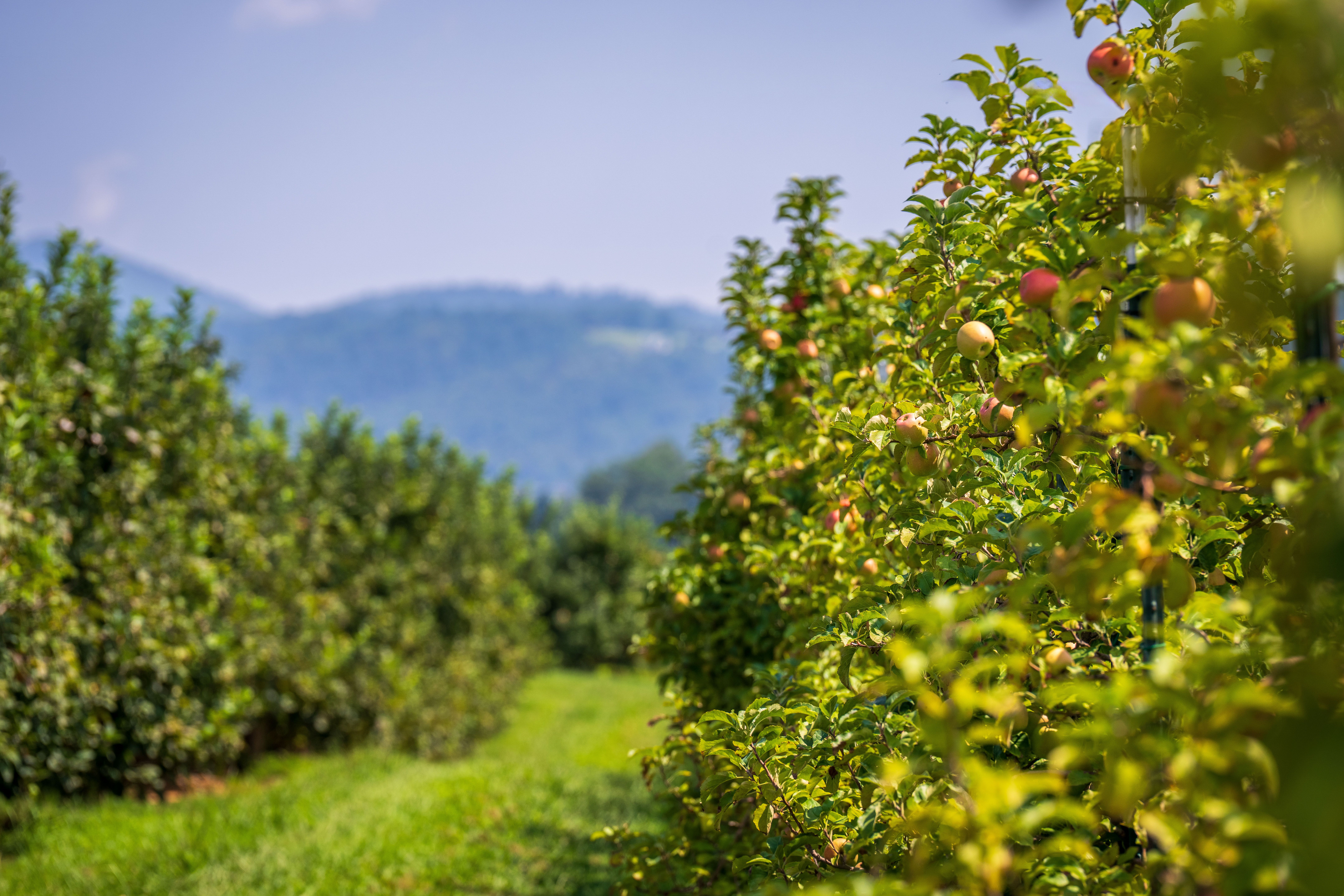
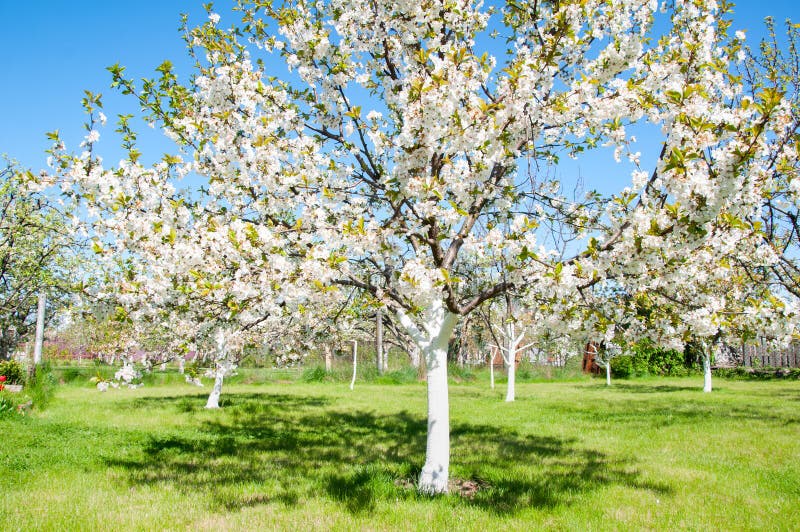
For fruit trees, pruning is critical to maximize fruit production and maintain tree health. Focus on removing crossing branches, suckers, and water sprouts that drain energy without producing fruit. Open up the center of the tree to allow sunlight to reach all parts of the canopy.
Shrubs can be rejuvenated by cutting back old stems to encourage new growth. This technique, called renewal pruning, helps maintain a dense and vibrant shrub.
Common Pruning Mistakes to Avoid
Avoiding common pruning errors will save your plants from unnecessary damage:
– Don’t remove more than 25% of a plant’s foliage at one time, as this can stress the plant.
– Avoid leaving large stubs, which can become entry points for pests and diseases.
– Never prune during extreme weather conditions, such as very hot or freezing temperatures.
Conclusion
Pruning is a vital gardening skill that enhances plant health, appearance, and productivity. By mastering proper pruning techniques and timing, you can transform your garden into a thriving, beautiful space. Start incorporating pruning into your regular garden care routine today and watch your plants flourish. For more gardening tips and expert advice, subscribe to our newsletter and take your gardening skills to the next level!



:max_bytes(150000):strip_icc()/growing-portulaca-1315707-11-d8d849aca1e64fea8f3ec236f1c31b14.jpg)