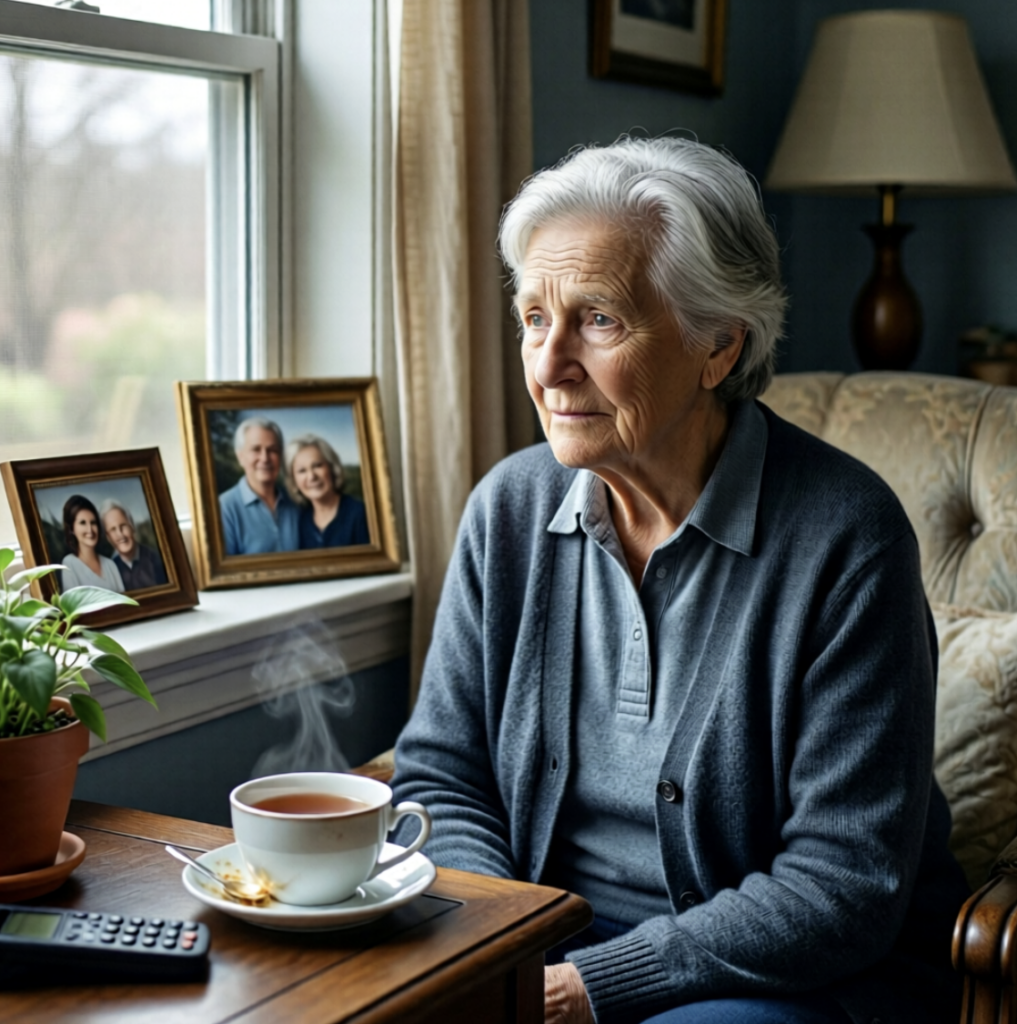
Growing older often brings significant life changes, including retirement, physical health challenges, the loss of loved ones, and changes in daily routines. While these experiences can affect emotional well-being, depression is not a normal or inevitable part of aging.
Unfortunately, depression in older adults is frequently overlooked because its symptoms may differ from those seen in younger people. Recognizing the signs early can lead to timely treatment and improve both mental and physical health.
Is Depression a Normal Part of Aging?
The simple answer is no.
Although older adults may experience grief, loneliness, or temporary sadness after major life events, clinical depression is a medical condition that deserves proper evaluation and treatment regardless of age.
Assuming that persistent sadness or withdrawal is “just getting older” may delay diagnosis and prevent someone from receiving appropriate care.
How Depression May Appear in Older Adults
Depression does not always present as obvious sadness.
Many older adults are more likely to experience physical or behavioral symptoms, such as:
- Persistent fatigue
- Changes in sleep patterns
- Poor appetite or weight changes
- Loss of interest in hobbies or favorite activities
- Social withdrawal
- Difficulty concentrating
- Irritability
- Unexplained aches and pains
- Low motivation
- Feelings of hopelessness or worthlessness
Some people may not describe themselves as depressed at all, making these symptoms easy to overlook.
Why Depression Is Often Missed
Several factors can make depression more difficult to recognize in older adults.
Symptoms may be mistaken for:
- Normal aging
- Dementia or memory decline
- Medication side effects
- Chronic medical conditions
- Fatigue related to illness
In some cases, older adults may also be less likely to talk openly about emotional struggles because of stigma, cultural beliefs, or fear of burdening their families.
Risk Factors
Although depression can affect anyone, certain factors may increase the risk in later life, including:
- Living alone
- Loss of a spouse or close friends
- Chronic pain
- Long-term medical conditions
- Reduced mobility
- Financial difficulties
- Social isolation
- Certain medications
- Previous history of depression
Having one or more of these risk factors does not mean a person will develop depression, but it may increase the importance of regular emotional health assessments.
How Depression Can Affect Overall Health
Depression is more than an emotional condition.
It may also contribute to:
- Poor sleep quality
- Reduced physical activity
- Difficulty managing chronic illnesses
- Lower adherence to medications
- Declining nutrition
- Increased risk of falls
- Reduced independence
- Lower overall quality of life
Treating depression may also improve the management of other medical conditions.
Warning Signs Families Should Notice
Family members and caregivers are often the first to notice changes.
It may be helpful to pay attention if an older loved one:
- Stops participating in activities they once enjoyed
- Avoids family gatherings or social events
- Sleeps much more or much less than usual
- Eats significantly less
- Frequently expresses hopelessness
- Says they feel like a burden
- Shows little interest in daily life
If someone talks about wanting to die, feeling that life is no longer worth living, or expressing thoughts of self-harm, immediate professional help should be sought.
How Depression Is Treated
Depression is a treatable medical condition.
Treatment depends on the individual and may include:
- Psychological counseling
- Antidepressant medication when appropriate
- Regular physical activity
- Increased social engagement
- Treatment of underlying medical conditions
- Review of medications that may contribute to symptoms
- Family and community support
A healthcare professional can help determine the most appropriate treatment plan.
Supporting an Older Adult with Depression
Family members can make a meaningful difference by:
- Listening without judgment
- Encouraging open conversations
- Helping schedule medical appointments
- Supporting healthy daily routines
- Encouraging gentle physical activity when appropriate
- Staying socially connected through regular visits or phone calls
Sometimes consistent companionship is just as important as medical treatment.
The Bottom Line
Depression should never be dismissed as a normal part of aging. Although growing older brings many life changes, persistent sadness, withdrawal, hopelessness, or loss of interest deserve careful attention. Early recognition, compassionate support, and professional evaluation can significantly improve emotional well-being and overall quality of life.
Medical disclaimer: This article is for educational purposes only and should not replace professional medical advice, diagnosis, or treatment. If you or someone you know is experiencing symptoms of depression, consult a qualified healthcare professional. If someone expresses thoughts of self-harm or suicide, seek emergency medical assistance or contact local crisis services immediately.
