Tomato Plants: A Comprehensive Guide to Growing Healthy and Productive Tomatoes
Understanding Tomato Plants: Essential Tips for Successful Growth
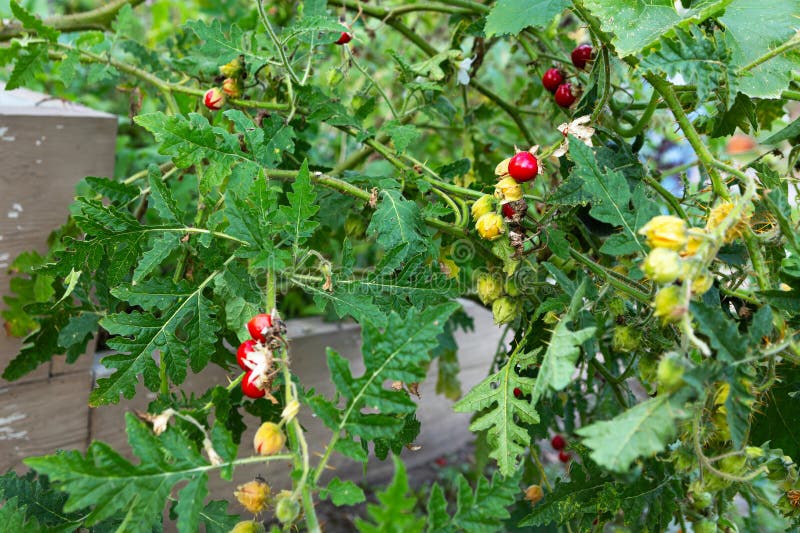
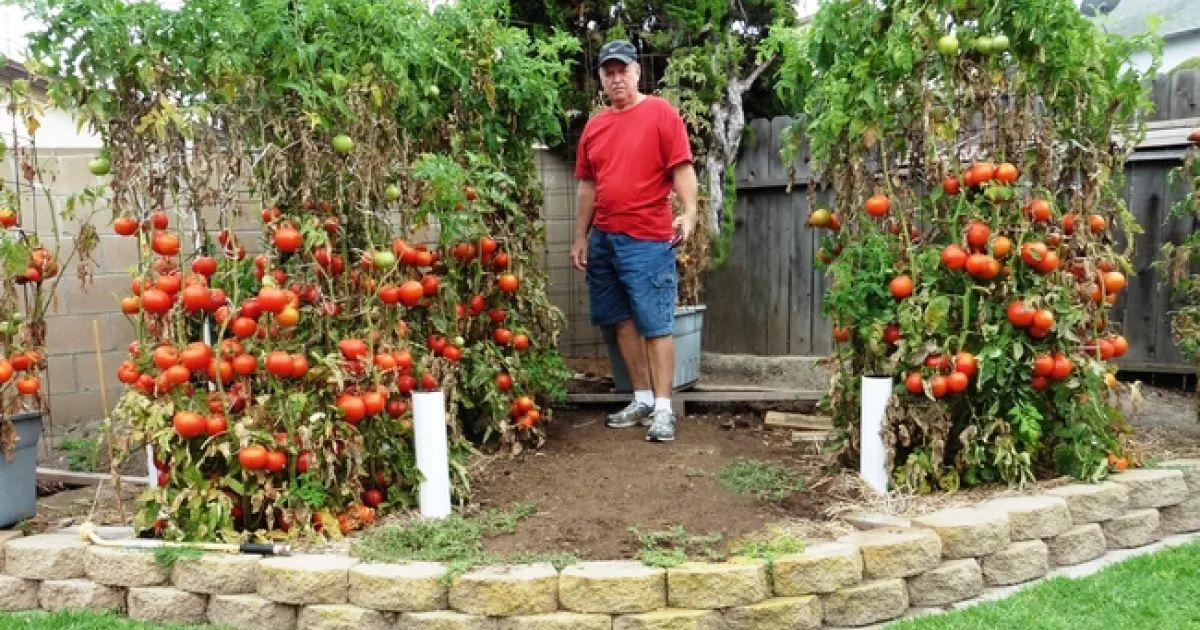
Tomato plants are among the most popular and rewarding vegetables to grow in home gardens. Whether you have a spacious backyard or a small balcony, cultivating tomato plants can provide you with fresh, flavorful tomatoes throughout the growing season. However, to achieve a bountiful harvest, it’s important to understand the specific needs of tomato plants and how to care for them properly.
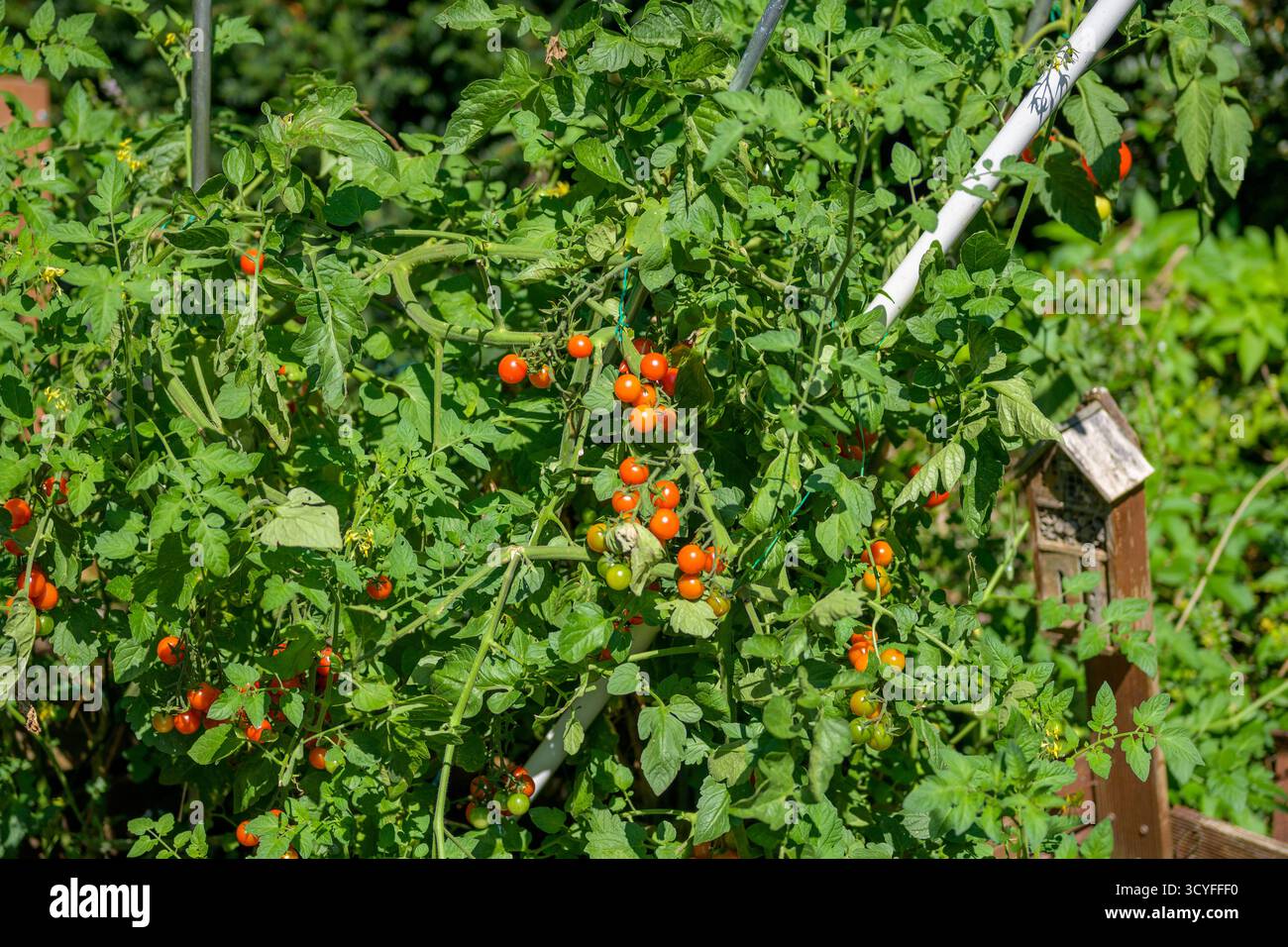
Tomato plants thrive in warm, sunny environments and require well-drained, nutrient-rich soil. They belong to the nightshade family and come in various varieties, including cherry, beefsteak, heirloom, and Roma tomatoes. Each type has unique characteristics, but all share similar growth requirements.
Choosing the Right Location and Soil for Tomato Plants
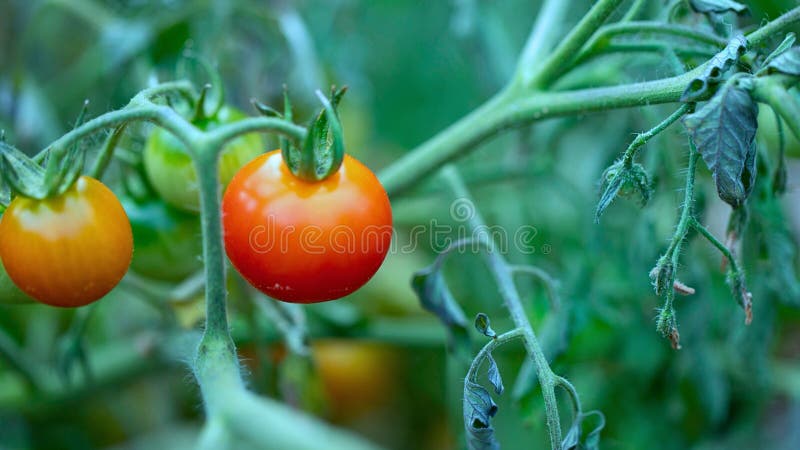
Selecting the ideal location is the first step in growing healthy tomato plants. Tomatoes need at least six to eight hours of direct sunlight daily to produce sweet and juicy fruits. A spot with good air circulation helps prevent diseases and promotes strong growth.
Soil preparation is equally important. Tomato plants prefer slightly acidic soil with a pH between 6.0 and 6.8. Before planting, enrich the soil with organic matter such as compost or well-rotted manure to improve fertility and drainage. Avoid planting tomatoes in the same spot year after year to reduce the risk of soil-borne diseases.
Planting and Caring for Tomato Plants
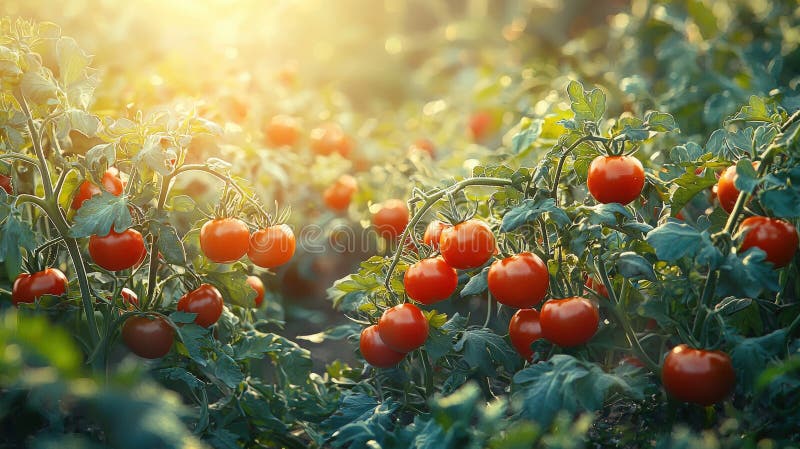
Start tomato plants indoors 6 to 8 weeks before the last expected frost date if you live in a cooler climate. Transplant seedlings outdoors once the soil temperature reaches at least 60°F (16°C). When planting, bury the seedlings deeper than they were in their pots, as tomato plants can develop roots along their stems, leading to stronger plants.
Water tomato plants consistently, aiming for deep watering at the base to keep foliage dry and reduce disease risk. Mulching around the plants helps retain moisture and suppress weeds. Fertilize regularly with a balanced fertilizer or one formulated specifically for tomatoes to support vigorous growth and fruit development.
Managing Pests and Diseases in Tomato Plants
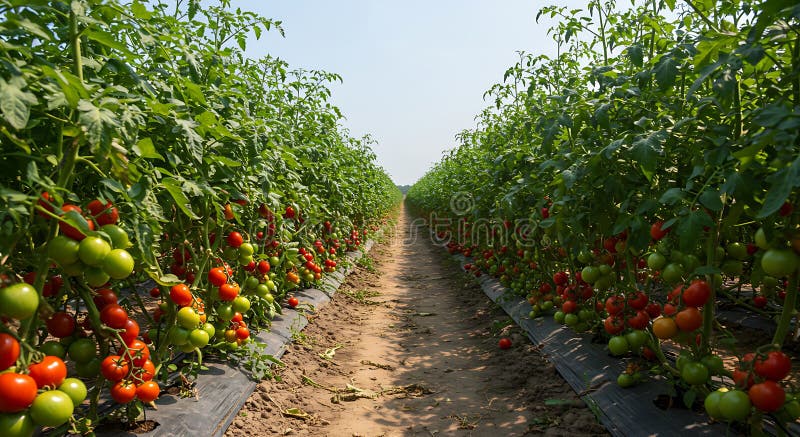
Tomato plants are susceptible to various pests such as aphids, tomato hornworms, and whiteflies. Regularly inspect your plants and use organic pest control methods like neem oil or insecticidal soap to manage infestations. Introducing beneficial insects like ladybugs can also help keep pest populations in check.
Common diseases affecting tomato plants include blight, blossom end rot, and fusarium wilt. Prevent these issues by practicing crop rotation, ensuring proper spacing for air circulation, and avoiding overhead watering. Removing affected leaves promptly can help stop the spread of diseases.
Harvesting and Storing Tomatoes
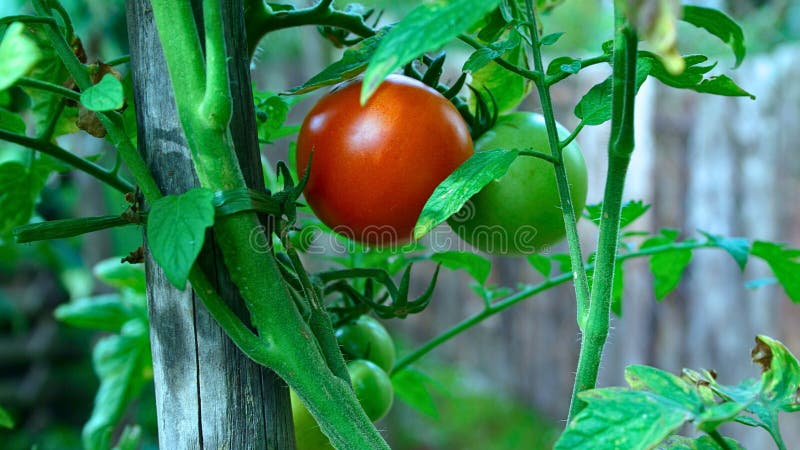
Tomatoes are ready to harvest when they have developed their full color and feel slightly firm but yield to gentle pressure. Picking tomatoes regularly encourages the plant to produce more fruit. For the best flavor, allow tomatoes to ripen on the vine whenever possible.
Store harvested tomatoes at room temperature away from direct sunlight. Avoid refrigerating tomatoes, as cold temperatures can affect their texture and flavor. If you have a surplus, consider preserving tomatoes by canning, freezing, or drying to enjoy them year-round.
Conclusion
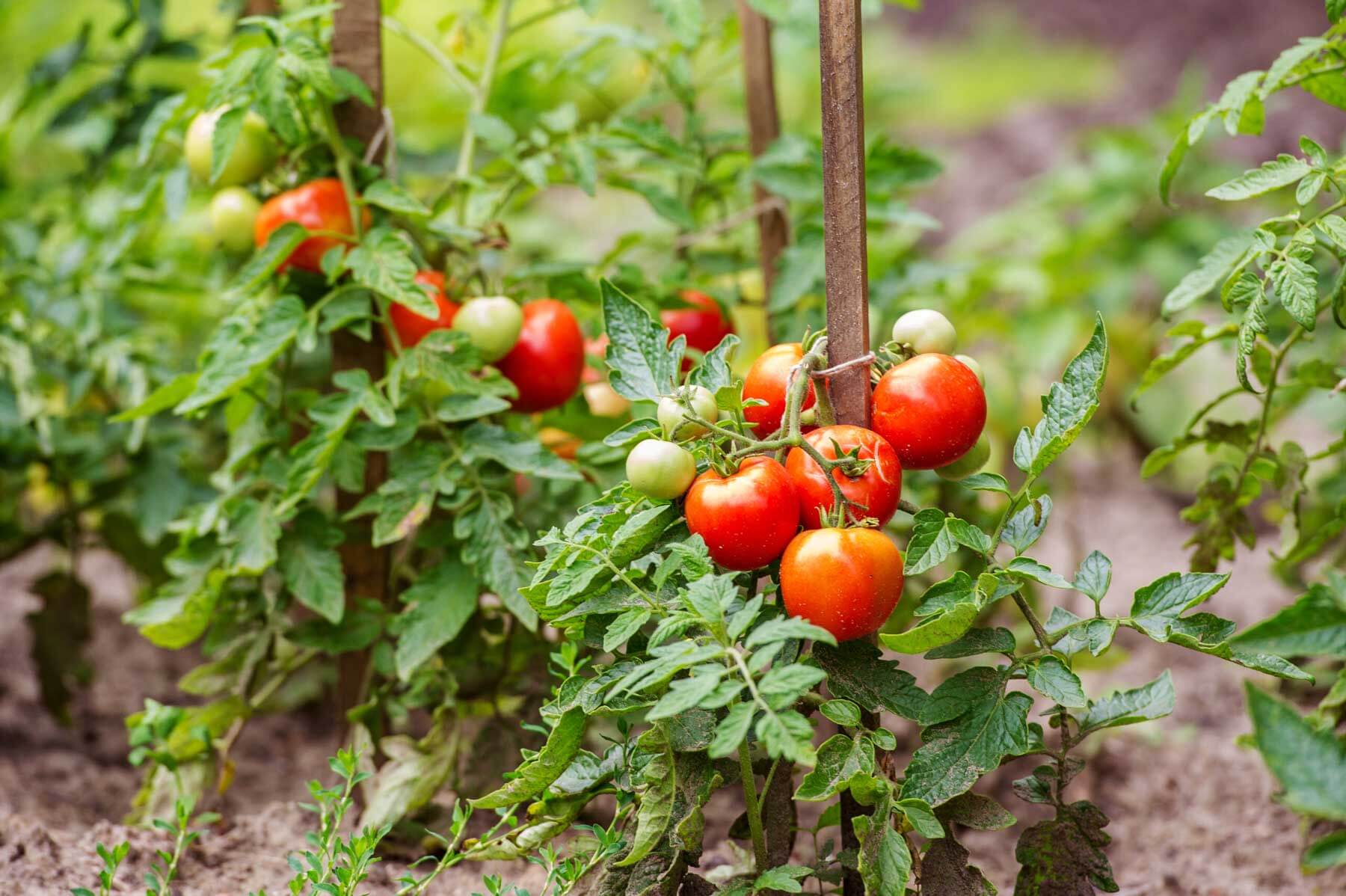
Growing tomato plants can be a highly rewarding gardening experience, providing you with fresh, delicious tomatoes right from your own garden. By selecting the right location, preparing the soil properly, and following best practices for planting and care, you can ensure a healthy and productive tomato crop. Don’t hesitate to start your tomato growing journey today and enjoy the satisfaction of harvesting your own homegrown tomatoes. For more gardening tips and expert advice, subscribe to our newsletter and stay updated!