Raised Garden Bed: The Ultimate Guide to Growing Your Own Garden
Why Choose a Raised Garden Bed for Your Gardening Needs?
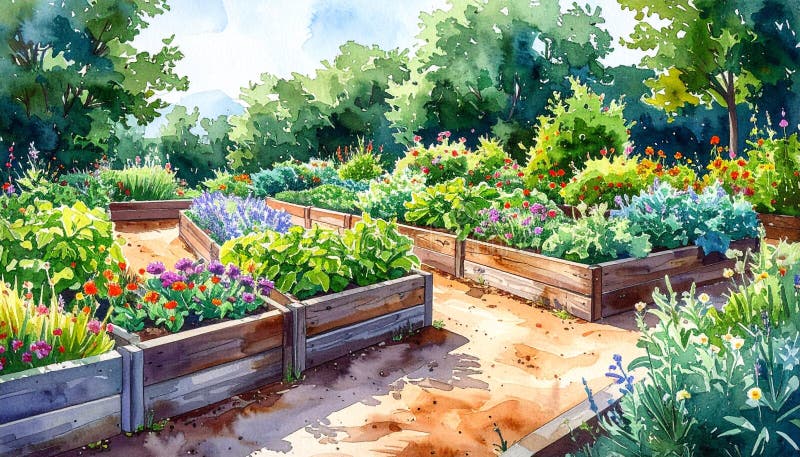
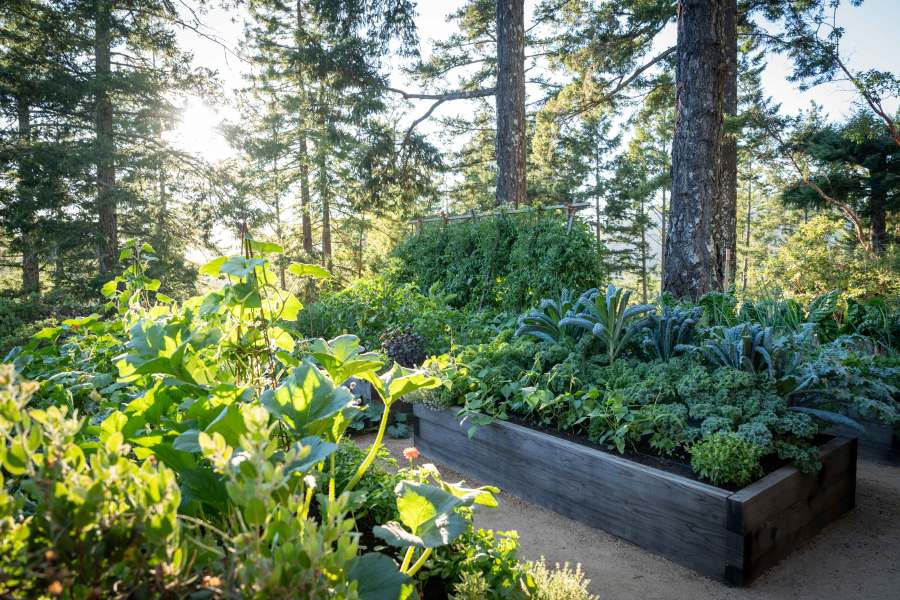
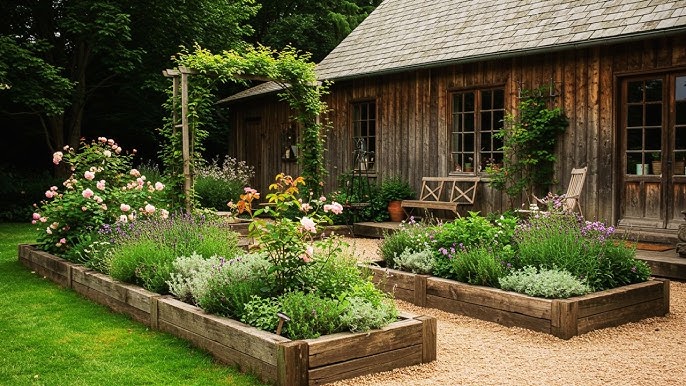
Raised garden beds have become increasingly popular among gardening enthusiasts and beginners alike. These elevated planting areas offer numerous advantages over traditional in-ground gardens. One of the primary benefits is improved soil drainage, which helps prevent waterlogging and root rot. Additionally, raised beds warm up faster in the spring, allowing for an earlier start to the growing season. They also reduce soil compaction, making it easier for roots to grow and access nutrients.
Another significant advantage of raised garden beds is their accessibility. Elevated beds reduce the need to bend or kneel, making gardening more comfortable for people with mobility issues or back problems. Moreover, raised beds can be filled with high-quality soil tailored to the specific needs of your plants, ensuring optimal growth conditions. This customization is particularly useful in areas with poor native soil or contamination concerns.
How to Build Your Own Raised Garden Bed
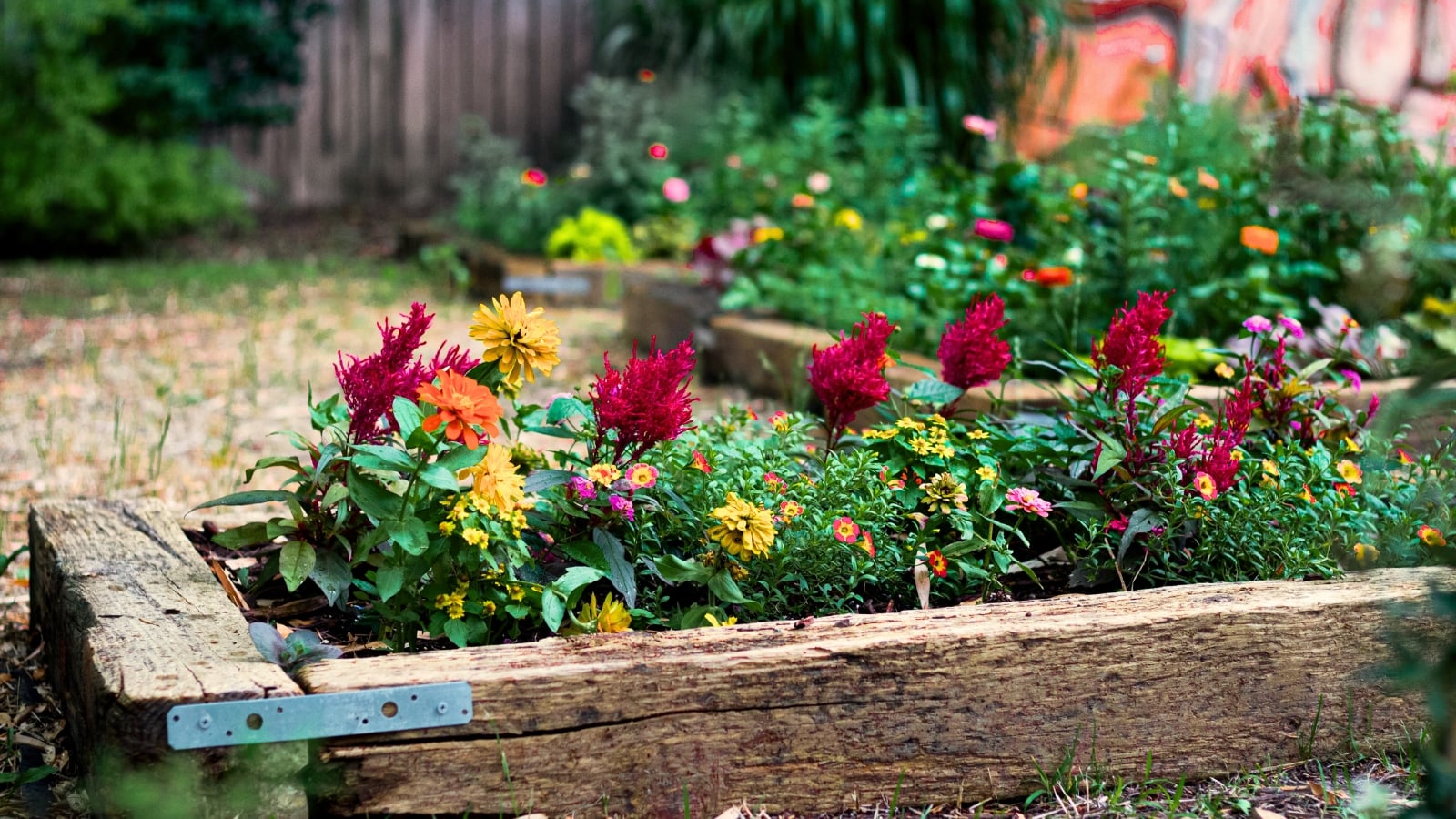
Building a raised garden bed is a straightforward project that can be completed in a weekend with basic tools and materials. Here’s a step-by-step guide to help you get started:
1. **Choose the Location:** Select a spot that receives at least six hours of sunlight daily. Ensure the area has good drainage and is easily accessible.
2. **Select Materials:** Common materials include untreated wood, cedar, composite lumber, or stone. Avoid treated wood that may leach harmful chemicals into the soil.
3. **Determine the Size:** A typical raised bed is 4 feet wide to allow easy access from both sides without stepping into the bed. Length can vary based on available space.
4. **Construct the Frame:** Assemble the sides using screws or brackets. Ensure the corners are square for a sturdy structure.
5. **Prepare the Site:** Remove grass or weeds from the area and loosen the soil beneath the bed to improve drainage.
6. **Fill the Bed:** Use a mix of high-quality topsoil, compost, and organic matter to create a fertile growing medium.
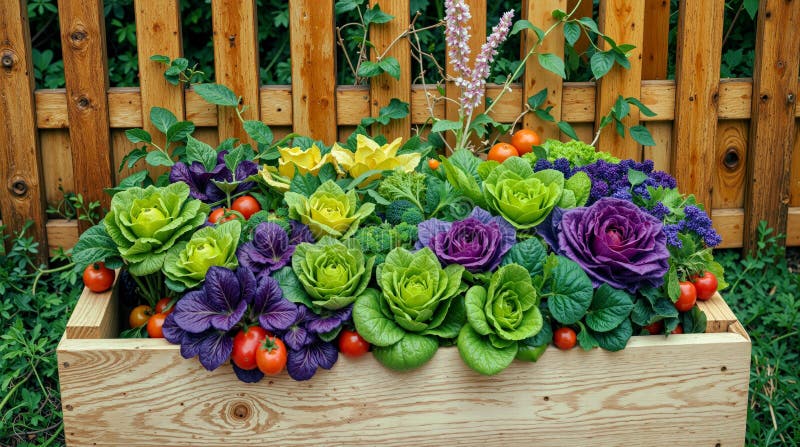
7. **Plant Your Garden:** Choose plants suited to your climate and soil conditions. Raised beds are ideal for vegetables, herbs, and flowers.
Maintaining Your Raised Garden Bed for Optimal Growth
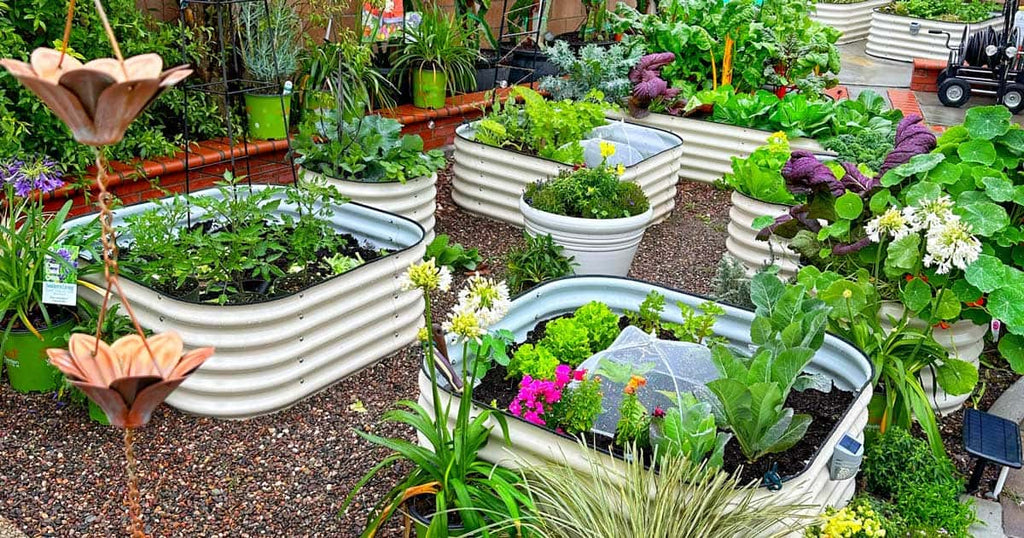
Proper maintenance is essential to keep your raised garden bed productive and healthy. Here are some tips to ensure your garden thrives:
– **Watering:** Raised beds tend to dry out faster than in-ground gardens. Water consistently, preferably in the morning, to keep soil moist but not waterlogged.
– **Mulching:** Apply a layer of mulch to retain moisture, suppress weeds, and regulate soil temperature.
– **Fertilizing:** Since nutrients can leach out more quickly in raised beds, regular feeding with organic fertilizers or compost is recommended.
– **Pest Control:** Monitor plants for signs of pests and diseases. Use natural remedies or integrated pest management techniques to protect your garden.
– **Crop Rotation:** Rotate crops each season to prevent soil depletion and reduce the risk of disease.
Conclusion
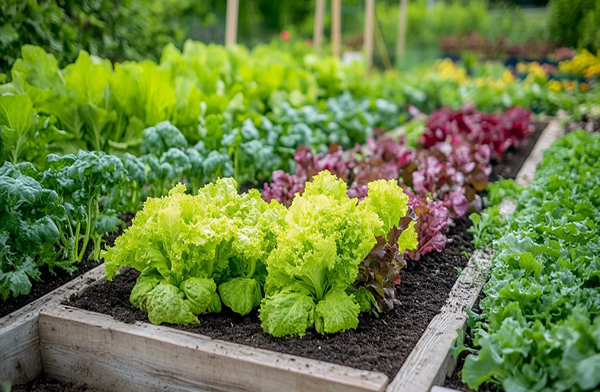
A raised garden bed is an excellent investment for anyone looking to enhance their gardening experience. It offers better soil conditions, improved accessibility, and greater control over your plants’ environment. Whether you’re a seasoned gardener or just starting, building and maintaining a raised garden bed can lead to a more productive and enjoyable garden. Ready to transform your outdoor space? Start planning your raised garden bed today and watch your garden flourish!