Monstera: The Ultimate Guide to Growing and Caring for Your Tropical Indoor Plant
Why Choose a Monstera Plant for Your Home?
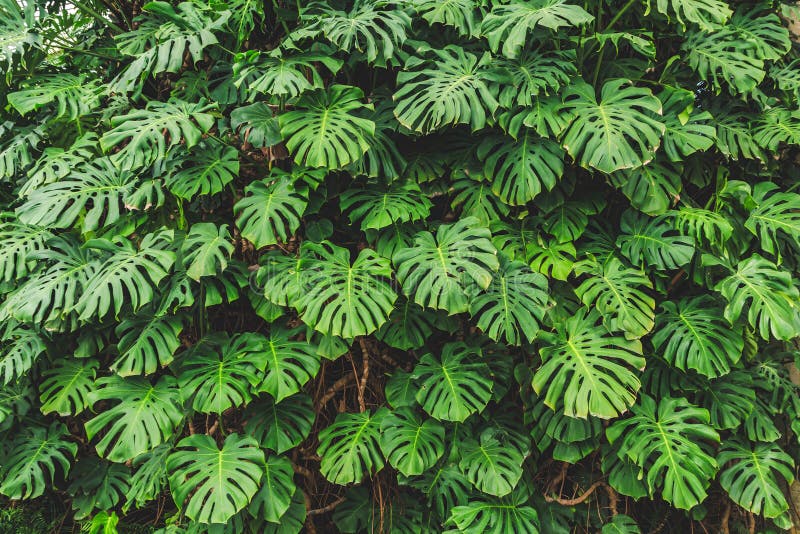
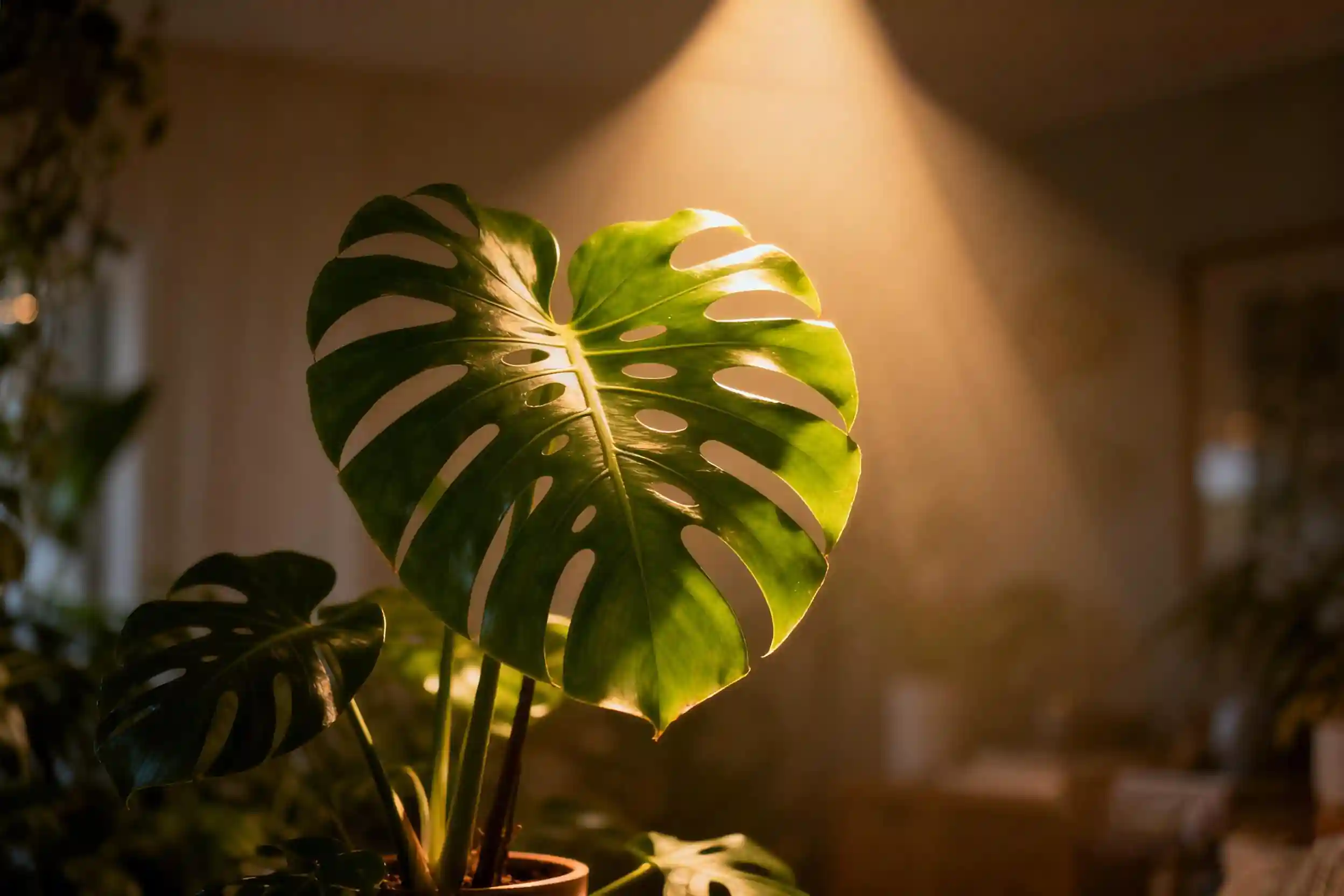
Monstera, often referred to as the Swiss cheese plant, has become one of the most popular indoor plants worldwide. Its distinctive large, glossy leaves with natural holes and splits make it a striking addition to any interior space. Beyond its aesthetic appeal, Monstera is relatively easy to care for, making it an ideal choice for both novice and experienced plant enthusiasts.
The Monstera genus belongs to the Araceae family and is native to tropical rainforests of Central and South America. In its natural habitat, it thrives by climbing trees and spreading its leaves to capture sunlight. When grown indoors, replicating these conditions can help your Monstera flourish.
Understanding the Different Types of Monstera
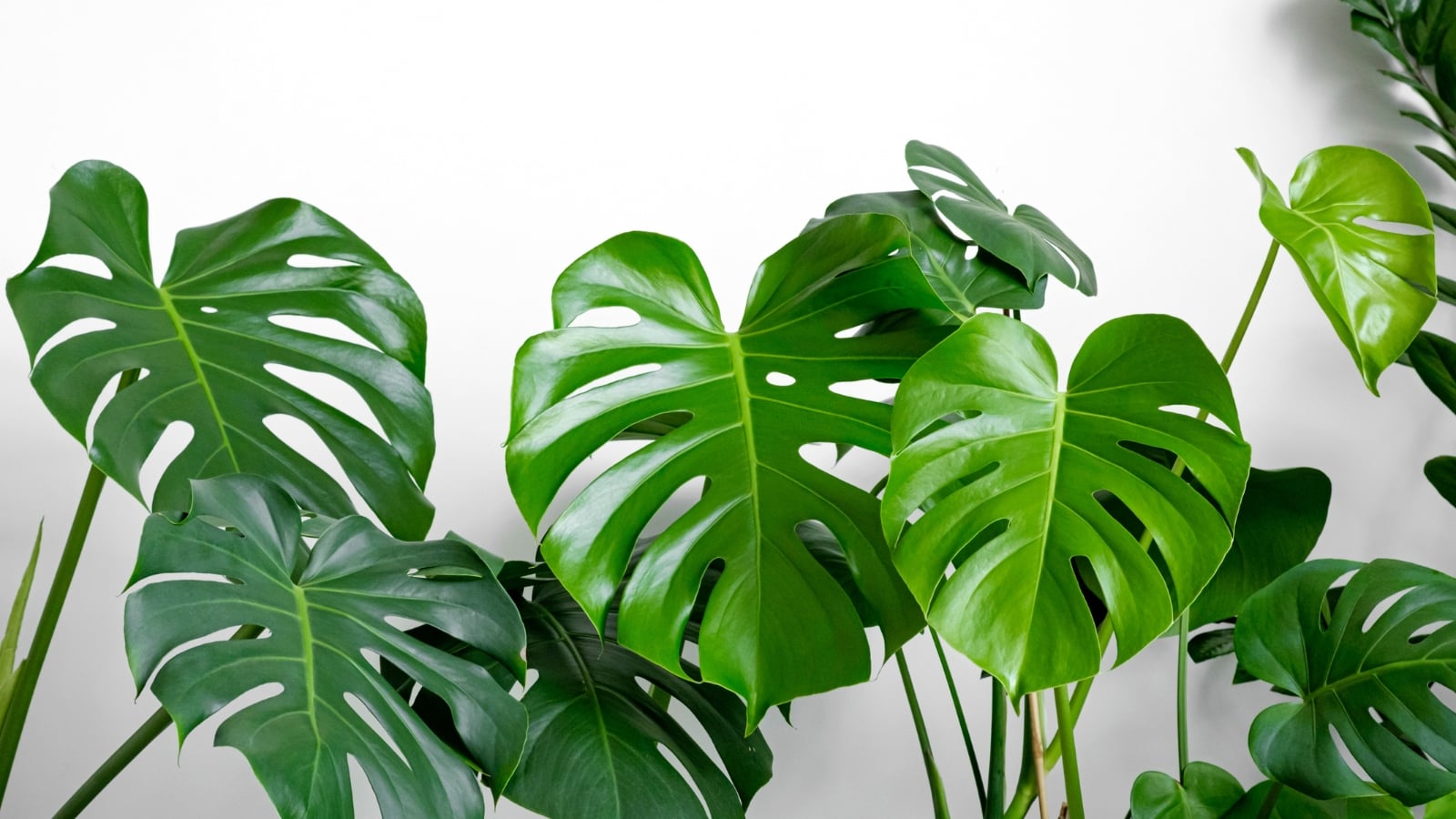
There are several varieties of Monstera plants, each with unique characteristics:
– **Monstera Deliciosa**: The most common variety, known for its large, heart-shaped leaves with deep splits and holes.
– **Monstera Adansonii**: Also called the “Swiss cheese vine,” it features smaller leaves with more perforations.
– **Monstera Obliqua**: A rare and highly sought-after variety with delicate, lace-like leaves.
– **Monstera Siltepecana**: Known for its silvery-green leaves with dark green stripes.
Choosing the right Monstera variety depends on your space, lighting conditions, and personal preference.
How to Care for Your Monstera Plant

Proper care is essential to keep your Monstera healthy and vibrant. Here are some key tips to ensure your plant thrives:
Light Requirements
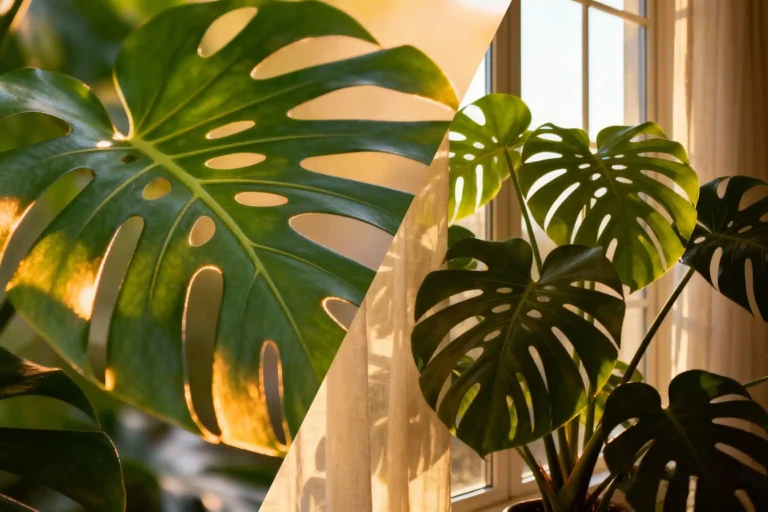
Monstera plants prefer bright, indirect light. Direct sunlight can scorch their leaves, while too little light can slow growth and reduce leaf perforations. Placing your Monstera near a north or east-facing window is ideal. If natural light is limited, consider using a grow light to supplement.
Watering Tips
Water your Monstera when the top inch of soil feels dry. Overwatering can lead to root rot, so ensure your pot has proper drainage. During the growing season (spring and summer), Monstera plants may require more frequent watering. Reduce watering in fall and winter when growth slows.
Humidity and Temperature
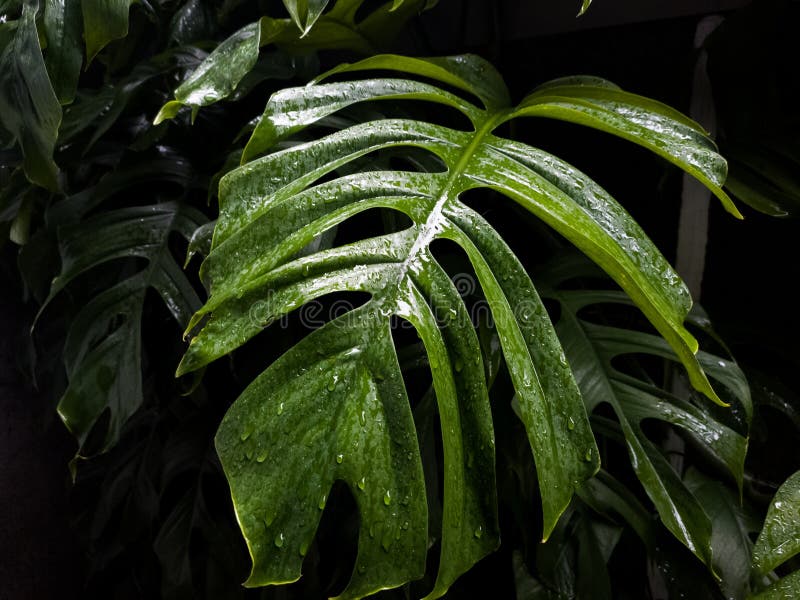
As tropical plants, Monsteras thrive in humid environments. Aim for humidity levels between 60-80%. You can increase humidity by misting the leaves regularly, using a humidifier, or placing a water tray near the plant. Keep your Monstera in temperatures between 65-85°F (18-29°C), avoiding cold drafts and sudden temperature changes.
Soil and Fertilization
Use a well-draining potting mix rich in organic matter. A mix designed for aroids or indoor tropical plants works well. Fertilize your Monstera monthly during the growing season with a balanced, water-soluble fertilizer to promote healthy growth.
Common Problems and How to Fix Them
Even with proper care, Monstera plants can face some issues. Here are common problems and solutions:
– **Yellowing Leaves**: Often caused by overwatering or poor drainage. Check soil moisture and adjust watering habits.
– **Brown Leaf Edges**: May indicate low humidity or underwatering. Increase humidity and ensure consistent watering.
– **Pests**: Spider mites, mealybugs, and scale insects can infest Monsteras. Treat infestations with insecticidal soap or neem oil.
– **Leggy Growth**: Insufficient light can cause your Monstera to grow tall and sparse. Move it to a brighter spot.
Propagation Techniques
Monstera plants are easy to propagate through stem cuttings. Follow these steps:
1. Select a healthy stem with at least one node and an aerial root.
2. Cut below the node using clean, sharp scissors.
3. Place the cutting in water or moist soil.
4. Roots will develop in a few weeks, after which you can transplant the cutting into a pot.
Propagation is a rewarding way to expand your plant collection or share Monsteras with friends.
Decorating with Monstera: Styling Tips
Monstera plants are versatile and complement various interior styles, from modern minimalist to bohemian chic. Their bold leaves add texture and a tropical vibe to living rooms, bedrooms, and offices. Consider placing your Monstera in a decorative pot or using a plant stand to elevate its presence. Pair it with other tropical plants like palms or philodendrons for a lush indoor jungle feel.
Conclusion
Monstera plants are a fantastic choice for anyone looking to bring a touch of the tropics indoors. With their unique foliage and relatively easy care requirements, they can transform your living space into a vibrant, green oasis. Whether you are a seasoned plant parent or just starting, following these care tips will help your Monstera thrive and grow beautifully. Ready to add a Monstera to your home? Start your tropical plant journey today and enjoy the lush beauty of this iconic houseplant!
