lawn care
Meta description:
Discover expert lawn care tips to maintain a lush, green, and healthy lawn year-round. From mowing techniques to watering schedules, this comprehensive guide covers everything you need to know for perfect lawn care. Achieve a vibrant yard that enhances your home’s curb appeal and provides a relaxing outdoor space.
Lawn Care: The Ultimate Guide to a Healthy and Beautiful Yard
Maintaining a beautiful lawn requires more than just occasional mowing and watering. Proper lawn care involves a combination of techniques and practices that promote healthy grass growth, prevent weeds, and protect your yard from pests and diseases. Whether you’re a seasoned gardener or a beginner, understanding the fundamentals of lawn care can transform your outdoor space into a lush, green oasis.
Essential Lawn Care Practices for a Vibrant Lawn

To achieve a thriving lawn, it’s important to follow a consistent lawn care routine tailored to your grass type and climate. Here are the key elements to focus on:
Mowing: The Foundation of Lawn Maintenance
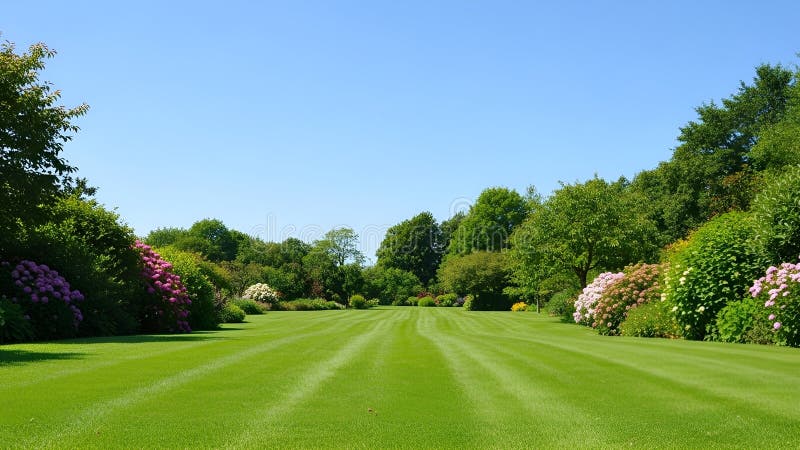
Mowing your lawn regularly is crucial for its health. Keep your mower blades sharp to ensure clean cuts, which reduce stress on the grass. Avoid cutting more than one-third of the grass blade length at a time to prevent shock. The ideal mowing height varies depending on the grass species, but generally, keeping grass between 2.5 to 3.5 inches promotes deeper roots and better drought resistance.
Watering: Hydrate Wisely

Proper watering is essential for lawn vitality. Early morning is the best time to water your lawn, as it reduces evaporation and fungal growth. Most lawns require about 1 to 1.5 inches of water per week, either from rainfall or irrigation. Deep, infrequent watering encourages roots to grow deeper, making your lawn more resilient during dry spells.
Fertilizing: Nourish Your Grass

Fertilizing provides the nutrients your lawn needs to grow thick and green. Use a balanced fertilizer formulated for your grass type and apply it according to the recommended schedule—typically in early spring and fall. Avoid over-fertilizing, which can lead to excessive growth and increase the risk of disease.
Weed Control: Keep Unwanted Plants at Bay

Weeds compete with grass for nutrients and water, so controlling them is vital. Use pre-emergent herbicides in early spring to prevent weed seeds from germinating. For existing weeds, spot-treat with post-emergent herbicides or manually remove them. Maintaining a dense lawn through proper mowing and fertilization also helps reduce weed invasion.
Aeration and Overseeding: Improve Soil and Grass Density

Aerating your lawn once a year alleviates soil compaction, allowing air, water, and nutrients to reach the roots more effectively. Overseeding after aeration helps fill in bare spots and improves grass density. This practice is especially beneficial for lawns that have suffered from heavy foot traffic or drought.
Pest and Disease Management
Regularly inspect your lawn for signs of pests or diseases, such as discoloration, thinning, or unusual patches. Early detection allows for prompt treatment with appropriate insecticides or fungicides. Maintaining healthy lawn practices reduces vulnerability to these problems.
Seasonal Lawn Care Tips

Adjusting your lawn care routine according to the seasons ensures your grass remains healthy throughout the year.
Spring
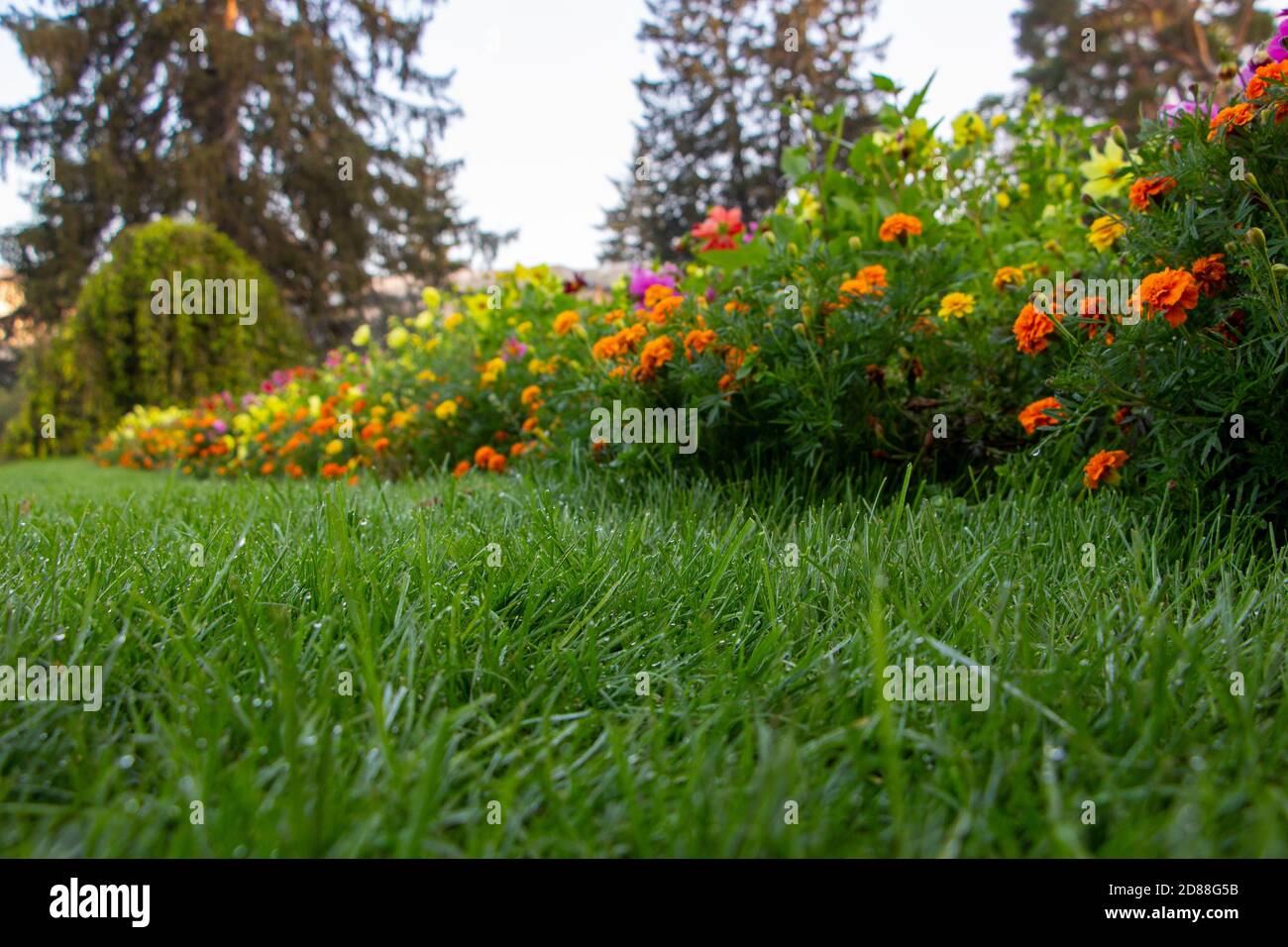
Spring is the time to prepare your lawn for active growth. Rake away debris, aerate the soil, and apply fertilizer. Begin mowing as the grass starts to grow and apply pre-emergent weed control.
Summer
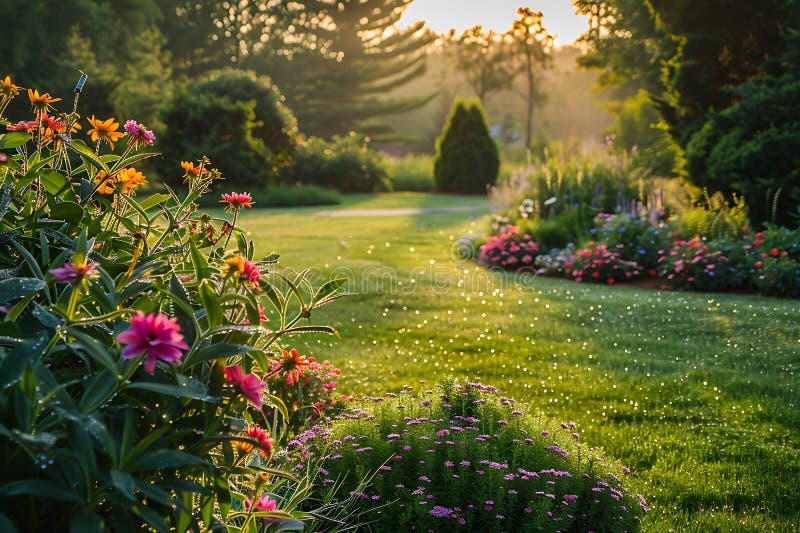
During hot months, water deeply but less frequently to conserve moisture. Raise mowing height to protect grass from heat stress. Monitor for pests and diseases, and treat as needed.
Fall
Fall is ideal for overseeding and fertilizing to repair summer damage and strengthen roots. Continue mowing until growth slows, and remove fallen leaves to prevent mold.
Winter
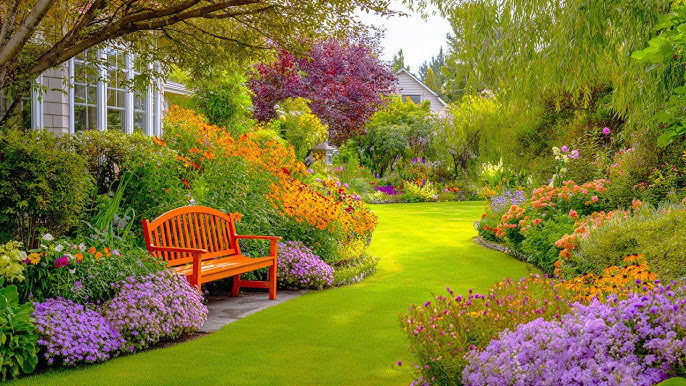
Limit foot traffic on dormant lawns to avoid soil compaction. Avoid excessive fertilization and watering during this period.
Conclusion
Proper lawn care is essential for creating and maintaining a beautiful, healthy yard that enhances your home’s appearance and provides a pleasant outdoor environment. By following these expert tips on mowing, watering, fertilizing, and seasonal maintenance, you can enjoy a lush green lawn year-round. Start implementing these lawn care practices today and watch your yard transform into the envy of your neighborhood. Ready to take your lawn to the next level? Contact a professional lawn care service for personalized advice and expert assistance!