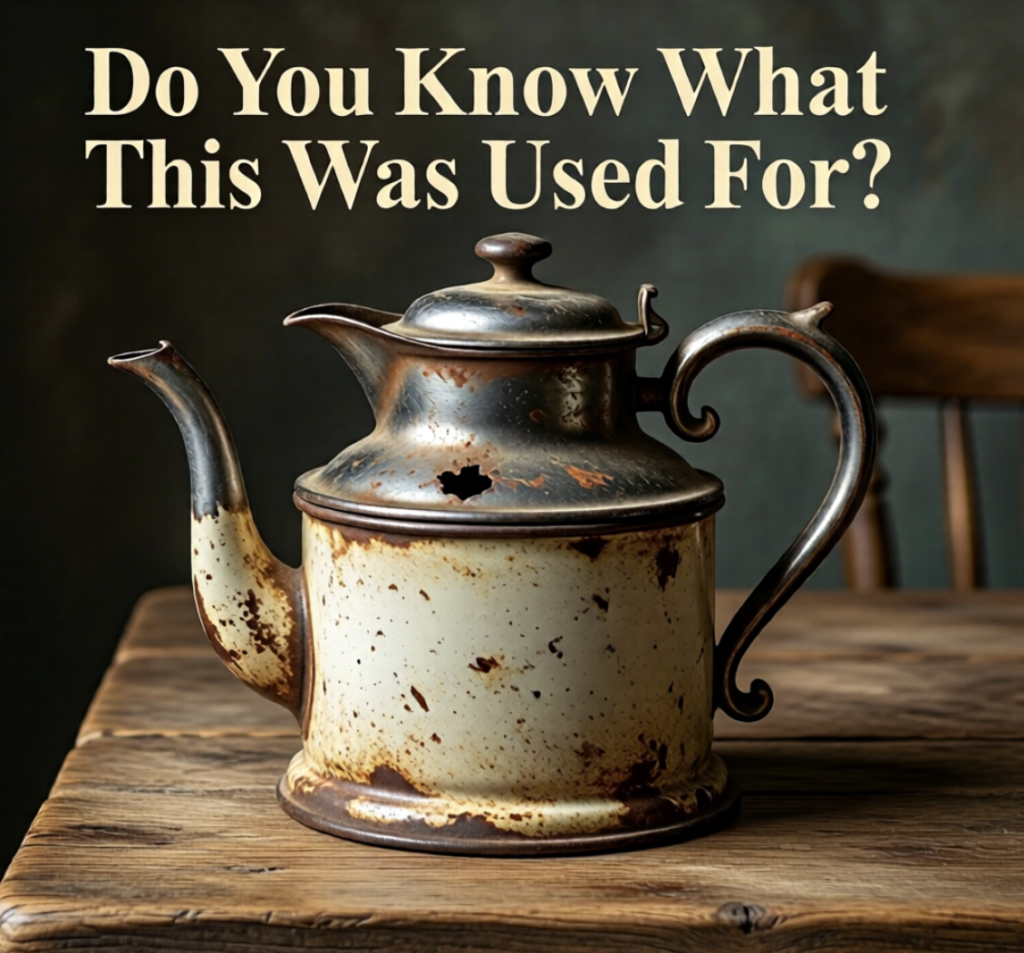
Household tools have changed dramatically over the past century. As technology evolved and daily routines became more convenient, many practical items that were once considered essential gradually disappeared from kitchens, laundry rooms, and workshops.
Today, younger generations may come across these objects at antique stores, flea markets, or family attics without recognizing their original purpose. Yet each one reflects a different chapter in the history of everyday life.
Why Do So Many Household Tools Become Forgotten?
Most household items are designed to solve everyday problems. When new technology offers a faster or easier solution, older tools often disappear from regular use.
Over time, the knowledge of how these objects were used can also fade, especially as fewer people grow up seeing them in daily life.
Examples of Household Tools Many Younger People May Not Recognize
Depending on the era and region, these items once appeared in many American homes:
- Manual hand-crank egg beaters
- Butter paddles
- Washboards
- Carpet beaters
- Flat irons heated on a stove
- Clothes wringers
- Jar lifters for home canning
- Button hooks
- Sock darners
- Wooden clothespins
- Potato ricers
- Flour sifters
- Ice picks
- Rug sweepers
- Hand-crank coffee grinders
Each served a practical purpose before electric appliances became common.
Why These Tools Were So Popular
Many of these household tools shared several advantages:
- They required no electricity.
- They were durable and often lasted for decades.
- They could be repaired rather than replaced.
- They were simple to operate.
- They reflected the slower, hands-on lifestyle of earlier generations.
Some families passed these items down through multiple generations.
Are Any Still Useful Today?
Although many have been replaced by modern appliances, some traditional household tools continue to have practical value.
For example:
- Hand-crank coffee grinders are still popular among coffee enthusiasts.
- Potato ricers are widely used for making smooth mashed potatoes.
- Jar lifters remain essential for home canning.
- Wooden clothespins are still valued for outdoor clotheslines and craft projects.
- Manual egg beaters are appreciated by people who prefer simple, electricity-free kitchen tools.
Others have become decorative collectibles or nostalgic reminders of family history.
Why Younger Generations Often Misidentify Them
Without firsthand experience, older household tools can easily be mistaken for decorative objects or unusual kitchen gadgets.
Social media has even turned many of these items into guessing games, where people try to identify antique tools before learning their original purpose.
These moments highlight how quickly everyday knowledge can disappear as technology changes.
Preserving Everyday History
Household tools may seem ordinary, but they offer valuable insight into how previous generations cooked, cleaned, repaired clothing, and managed daily life.
Museums, historical societies, and family collections help preserve these objects, allowing future generations to better understand the routines and resourcefulness of the past.
The Bottom Line
Many household tools that once appeared in nearly every American home have quietly disappeared from everyday life. While modern appliances have made many tasks easier, these forgotten objects remain reminders of a time when durability, manual skill, and practical design shaped daily routines. Learning about their original purpose offers a unique glimpse into the history of home life and how ordinary objects evolved over time.
