Snake Plant: The Ultimate Guide to Caring for Sansevieria
Why Choose a Snake Plant for Your Indoor Garden?
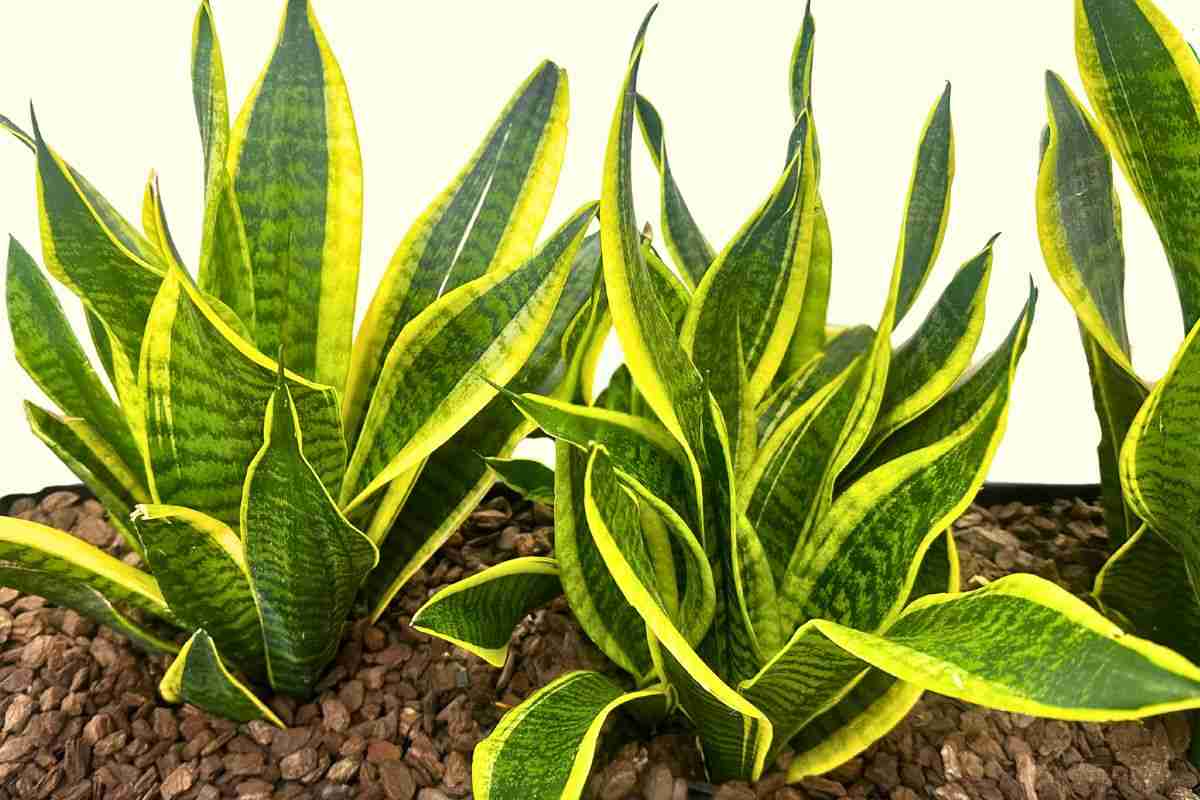
The snake plant, also known as Sansevieria or mother-in-law’s tongue, is one of the most popular and resilient houseplants worldwide. Its striking upright leaves and low-maintenance nature make it an excellent choice for both beginners and experienced plant enthusiasts. Not only does the snake plant add a touch of greenery and elegance to any room, but it also offers numerous health benefits, such as improving indoor air quality by filtering toxins like formaldehyde and benzene.
One of the main reasons the snake plant is favored is its adaptability. It thrives in a variety of lighting conditions, from low light to bright indirect sunlight, making it perfect for almost any indoor environment. Additionally, its drought-tolerant nature means it requires minimal watering, reducing the risk of overwatering—a common mistake among plant owners.
Understanding the Basics of Snake Plant Care
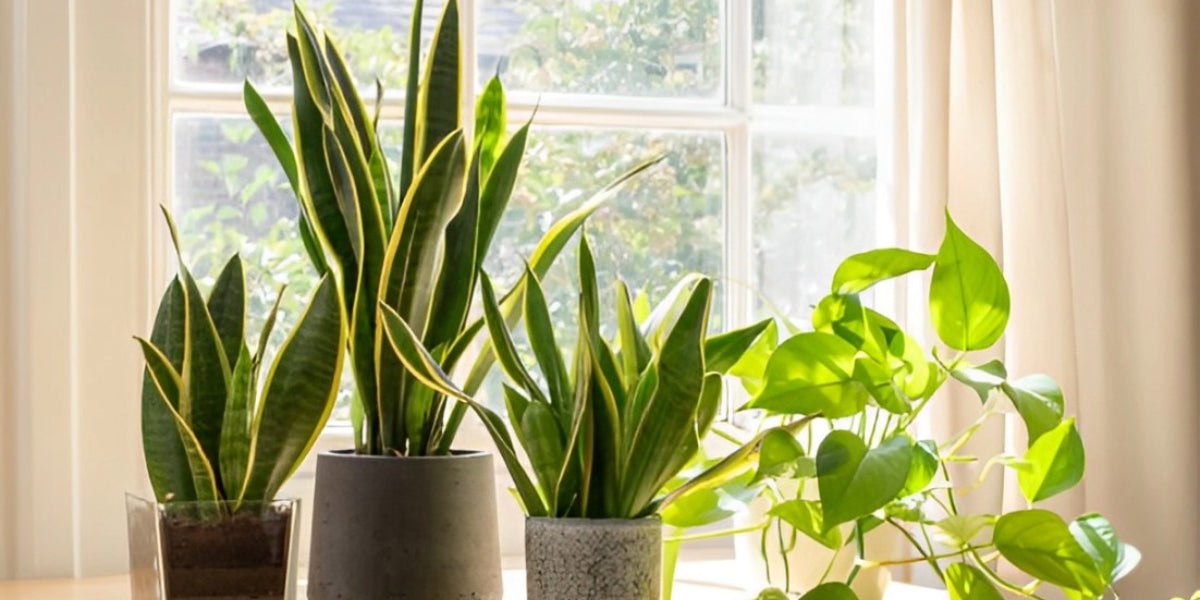
To keep your snake plant healthy and vibrant, it’s important to understand its basic care requirements:
**Lighting:** Snake plants prefer bright, indirect light but can tolerate low light conditions. Avoid direct sunlight, which can scorch the leaves.
**Watering:** Allow the soil to dry out completely between waterings. Overwatering can lead to root rot, so it’s better to underwater than overwater. During winter, reduce watering frequency.
**Soil:** Use well-draining soil, such as a cactus or succulent mix, to prevent water retention.
**Temperature and Humidity:** Snake plants thrive in average room temperatures between 60-85°F (15-29°C) and can tolerate dry air, making them suitable for most indoor environments.
**Fertilizing:** Feed your snake plant with a balanced, diluted houseplant fertilizer once a month during the growing season (spring and summer).
Propagation Techniques for Snake Plants
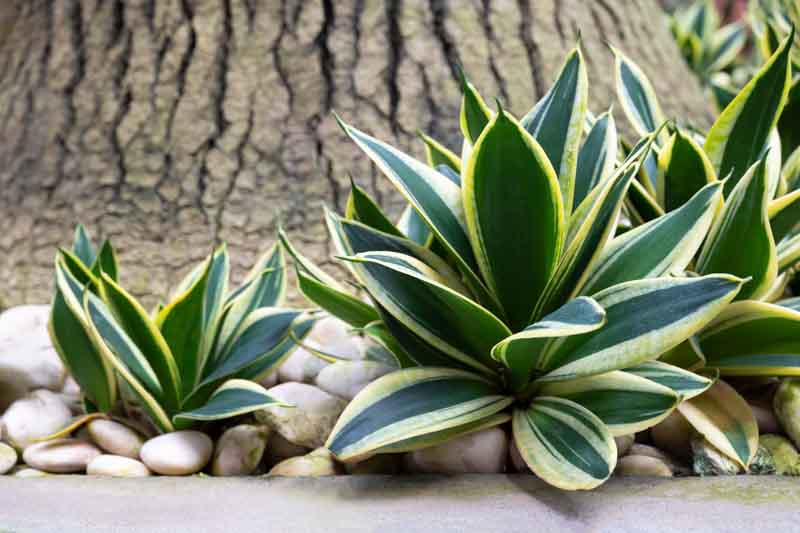
Propagating snake plants is a rewarding way to expand your indoor garden or share plants with friends. There are several methods to propagate Sansevieria successfully:
**Leaf Cuttings:** Cut a healthy leaf near the base and allow it to dry for a day or two to form a callus. Plant the cut end in moist soil and keep it in indirect light. Roots and new shoots will develop over several weeks.
**Division:** The easiest and fastest method involves dividing the root ball. Remove the plant from its pot, gently separate the rhizomes (underground stems), and repot each division in fresh soil.
**Water Propagation:** Place a leaf cutting in water, ensuring only the bottom part is submerged. Change the water regularly until roots form, then transfer to soil.
Each propagation method requires patience, but with proper care, your snake plant cuttings will grow into healthy new plants.
Common Problems and How to Fix Them
Despite its hardiness, snake plants can encounter a few issues:
**Yellowing Leaves:** Often caused by overwatering or poor drainage. Ensure the pot has drainage holes and allow soil to dry between waterings.
**Leaf Spots or Rot:** Usually a sign of fungal infection due to excess moisture. Remove affected leaves and reduce watering.
**Pests:** Snake plants are generally pest-resistant but can occasionally attract spider mites or mealybugs. Wipe leaves with a damp cloth or use insecticidal soap if needed.
By addressing these problems early, you can maintain a thriving snake plant.
Enhancing Your Space with Snake Plants
Beyond their ease of care, snake plants are excellent decorative elements. Their architectural leaves complement modern, minimalist, and bohemian interiors alike. Place them in stylish pots or group several plants for a lush display. Additionally, their air-purifying qualities contribute to a healthier living environment, making them ideal for bedrooms, offices, and living rooms.
Conclusion
In summary, the snake plant is a versatile and resilient houseplant that offers both aesthetic appeal and health benefits. By following simple care guidelines—such as proper watering, lighting, and propagation techniques—you can enjoy a thriving Sansevieria in your home. Ready to add a snake plant to your indoor garden? Start today and experience the beauty and benefits this remarkable plant brings!
