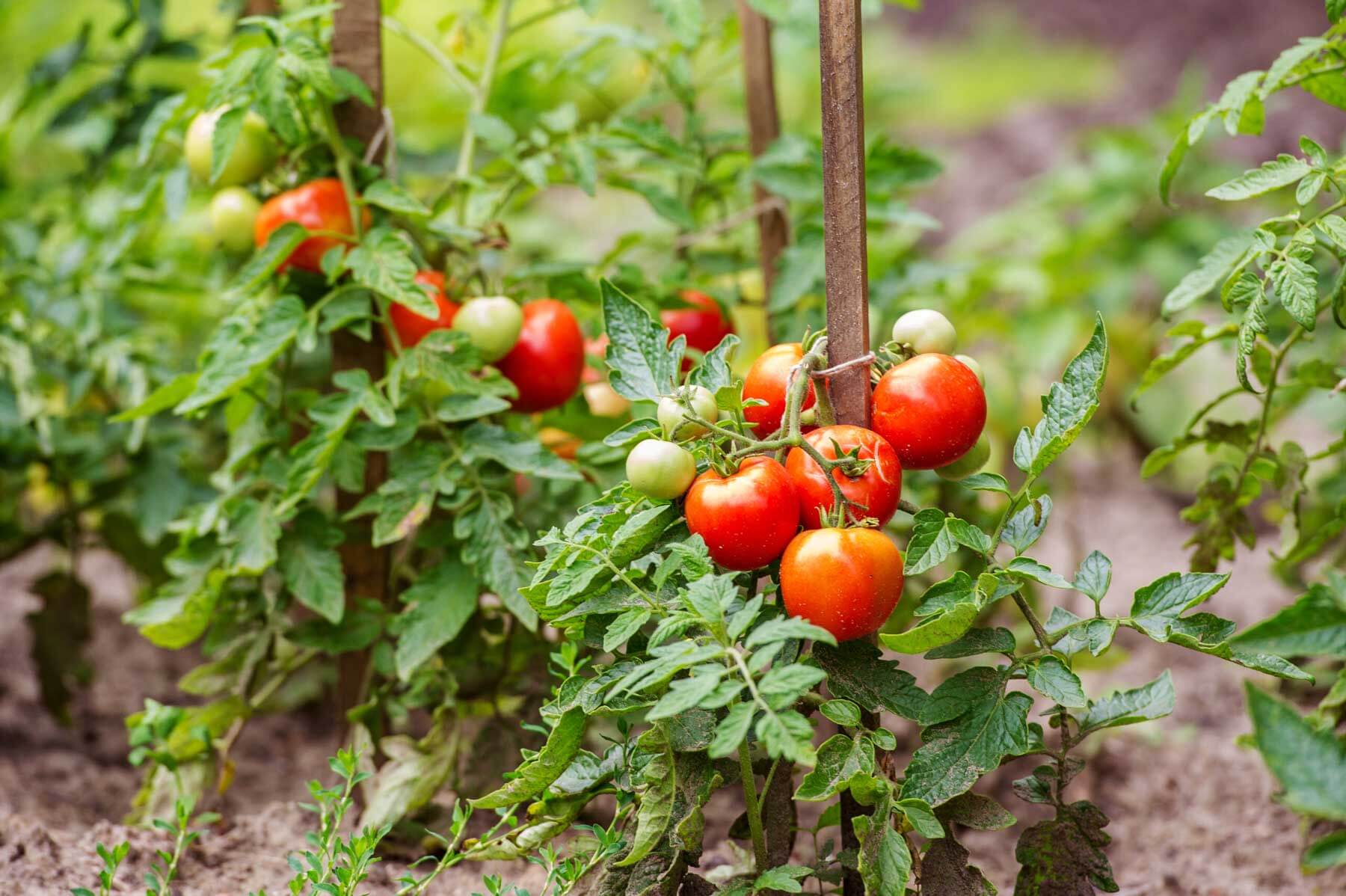
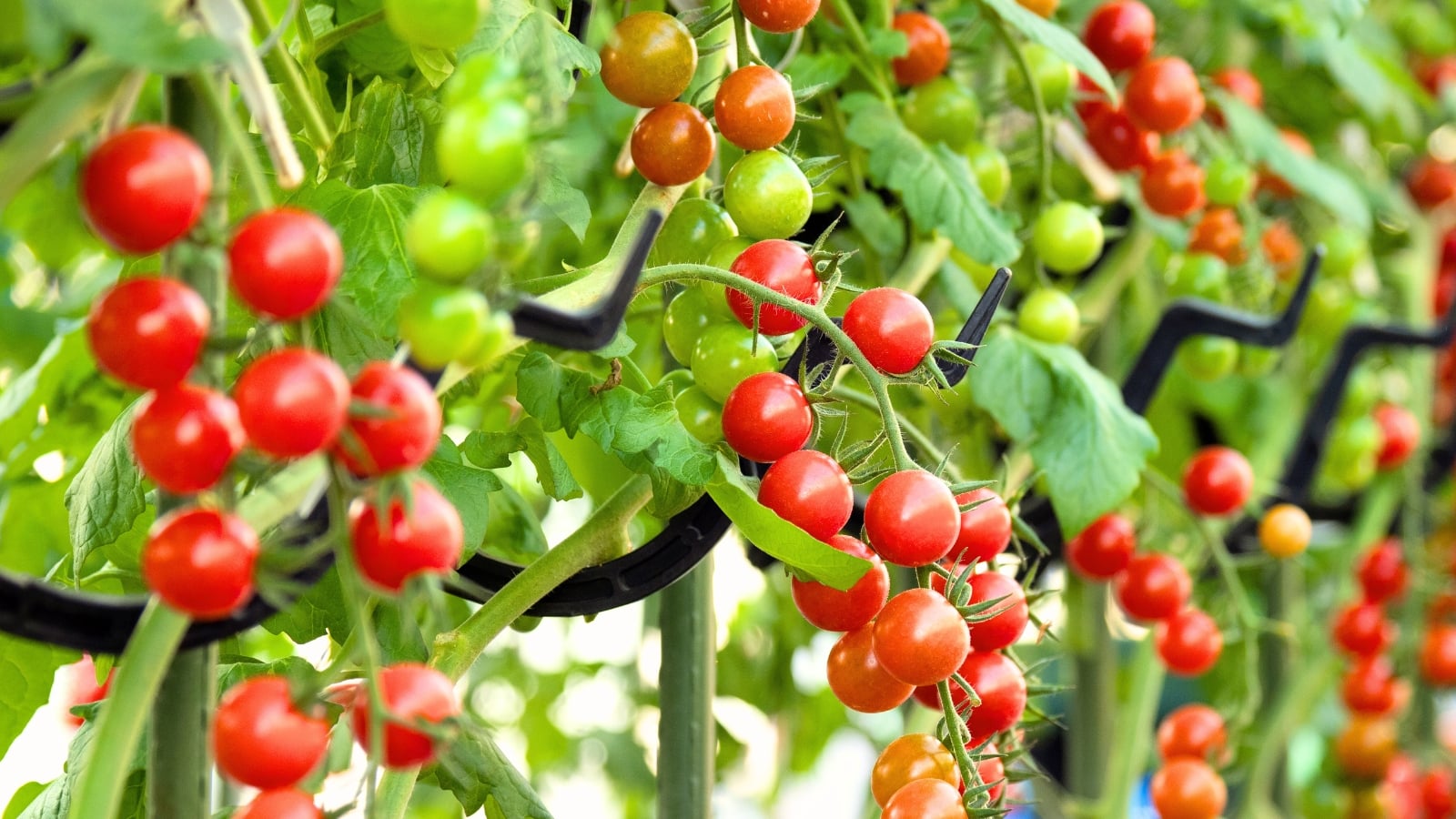
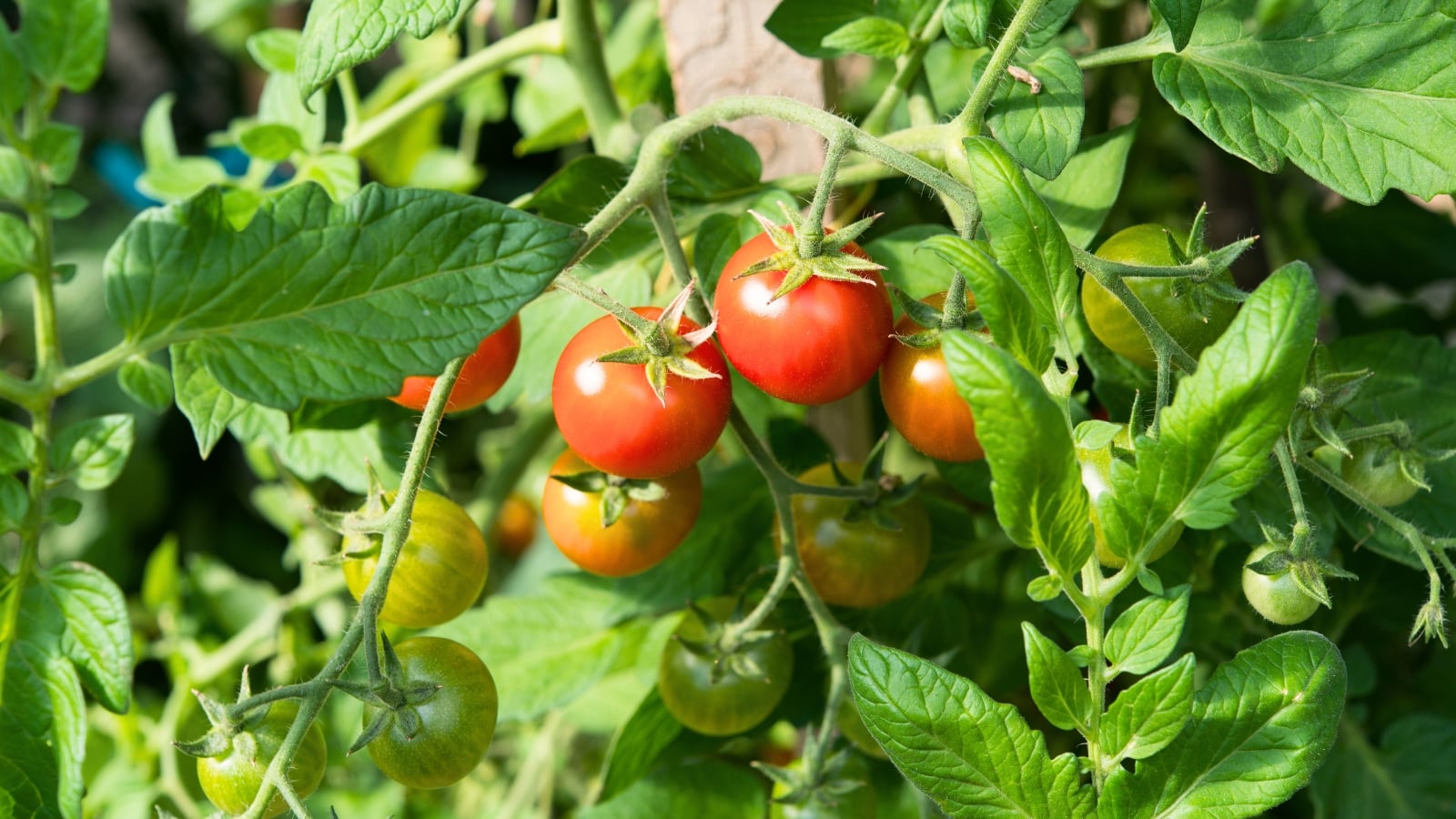
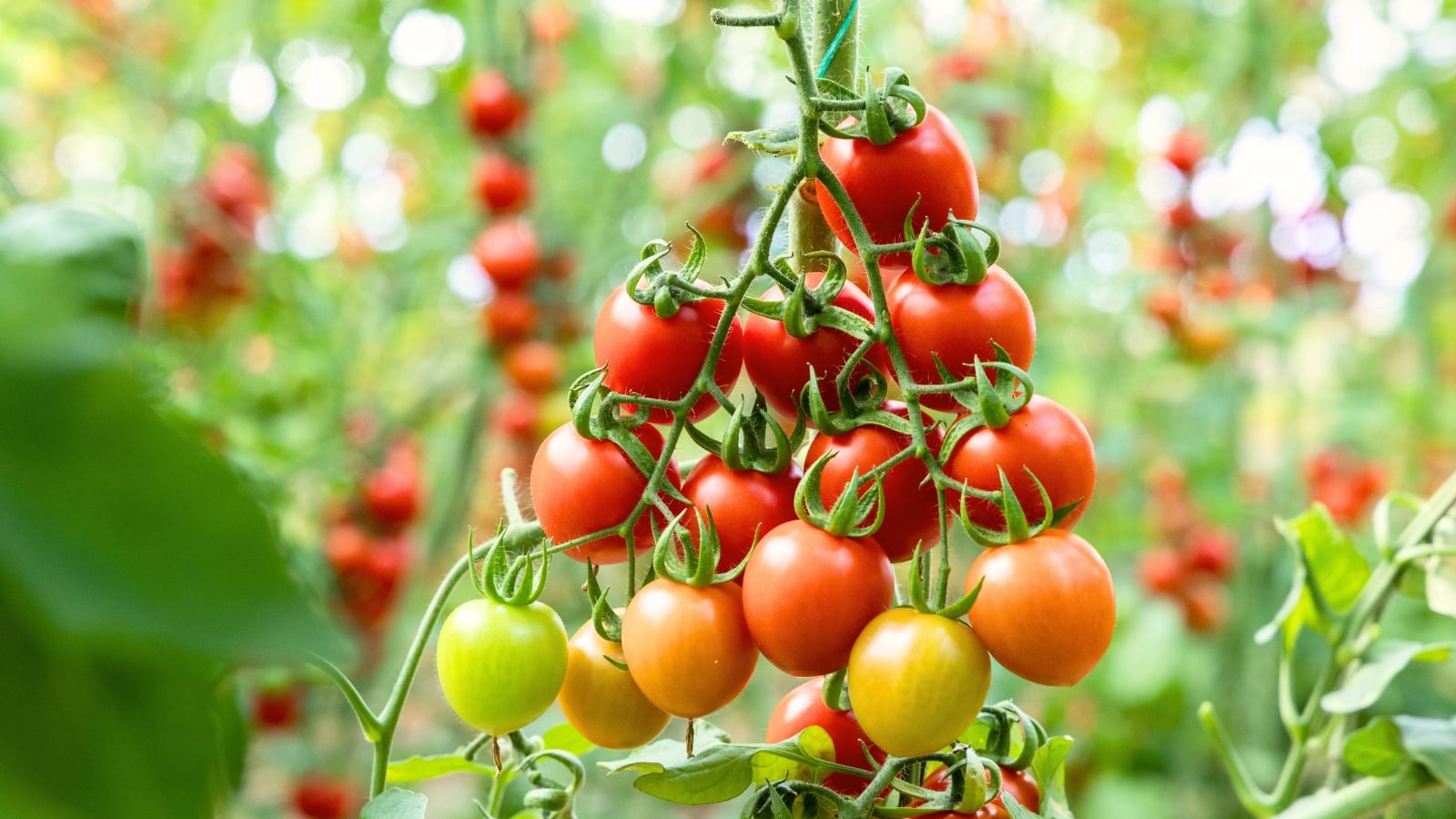
Tomato Fertilizer: Essential Tips for Healthy and Productive Tomato Plants
Growing tomatoes can be a rewarding experience, but to achieve a bountiful harvest, providing the right nutrients through proper tomato fertilizer is crucial. Tomatoes require a balanced supply of nutrients to thrive, and understanding how to fertilize them effectively can make a significant difference in plant health and fruit quality. In this article, we will explore the best types of tomato fertilizers, the essential nutrients tomatoes need, and practical tips for fertilizing your tomato plants to maximize growth and yield.
Understanding Tomato Fertilizer: Why It Matters
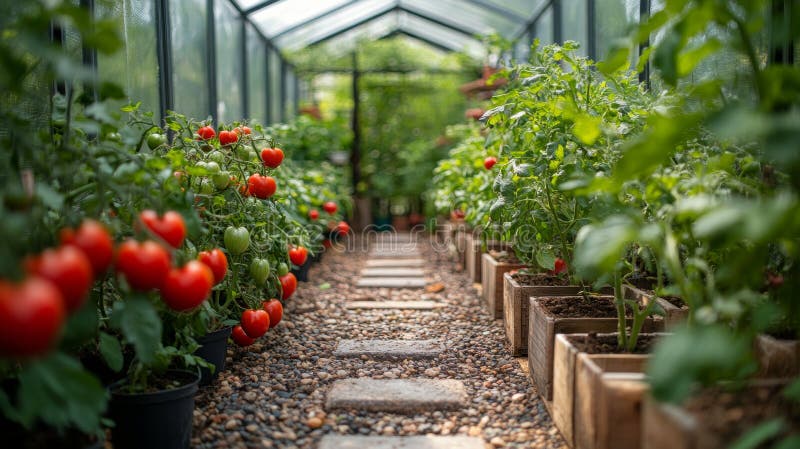
Tomato fertilizer plays a vital role in supporting the growth cycle of tomato plants. Tomatoes are heavy feeders, meaning they require a steady supply of nutrients throughout their development stages. Fertilizers provide essential elements like nitrogen, phosphorus, and potassium, which are crucial for leaf growth, root development, and fruit production.
Nitrogen encourages lush, green foliage, phosphorus supports strong root systems and flowering, while potassium enhances fruit quality and disease resistance. A deficiency or imbalance of these nutrients can lead to poor plant growth, reduced fruit size, and lower yields. Therefore, selecting the right tomato fertilizer and applying it correctly is key to successful tomato gardening.
Types of Tomato Fertilizers and Their Benefits
There are several types of tomato fertilizers available, each with unique benefits depending on your gardening needs:
1. **Organic Fertilizers:** These include compost, manure, bone meal, and fish emulsion. Organic fertilizers improve soil structure and provide a slow release of nutrients, making them ideal for sustainable gardening. They enhance microbial activity in the soil, which benefits tomato plants in the long term.
2. **Synthetic Fertilizers:** These are commercially produced and provide nutrients in a readily available form. They often come in balanced NPK ratios tailored for tomatoes, such as 10-10-10 or 5-10-10. Synthetic fertilizers are effective for quick nutrient uptake but should be used carefully to avoid over-fertilization.
3. **Liquid Fertilizers:** These can be organic or synthetic and are applied directly to the soil or as foliar sprays. Liquid fertilizers provide rapid nutrient absorption and are useful during critical growth stages like flowering and fruiting.
4. **Slow-Release Fertilizers:** These fertilizers gradually release nutrients over time, reducing the need for frequent applications. They are convenient for gardeners who prefer low-maintenance feeding schedules.
How to Apply Tomato Fertilizer for Best Results
Proper application of tomato fertilizer ensures that plants receive the nutrients they need without waste or harm. Here are some tips for effective fertilization:
– **Soil Testing:** Before fertilizing, test your soil to determine nutrient levels and pH. Tomatoes prefer slightly acidic soil with a pH between 6.0 and 6.8. Soil testing helps you choose the right fertilizer and avoid nutrient imbalances.
– **Pre-Planting Fertilization:** Incorporate a balanced fertilizer into the soil before planting tomatoes. This provides a nutrient-rich environment for seedlings to establish strong roots.
– **Side-Dressing:** Once tomato plants begin to flower, apply fertilizer alongside the plants (side-dressing) to support fruit development. Use a fertilizer higher in phosphorus and potassium at this stage.
– **Avoid Over-Fertilizing:** Excess nitrogen can cause excessive leafy growth at the expense of fruit production. Follow recommended fertilizer rates and schedules to maintain balance.
– **Watering:** Always water your tomato plants after fertilizing to help nutrients penetrate the soil and reach the roots.
Additional Tips for Maximizing Tomato Growth
– **Mulching:** Use organic mulch around tomato plants to retain moisture, regulate soil temperature, and reduce weed competition.
– **Consistent Watering:** Tomatoes need consistent moisture to prevent stress and blossom end rot. Avoid overhead watering to reduce disease risk.
– **Pruning:** Remove suckers and lower leaves to improve air circulation and direct energy to fruit production.
– **Pest and Disease Management:** Healthy plants are less susceptible to pests and diseases. Monitor your garden regularly and take preventive measures as needed.
Conclusion
Using the right tomato fertilizer is essential for growing healthy, productive tomato plants. By understanding the nutrient needs of tomatoes and applying fertilizers correctly, you can enjoy a plentiful harvest of delicious, homegrown tomatoes. Whether you prefer organic or synthetic options, consistent care and proper feeding will ensure your tomato plants thrive throughout the growing season. Start optimizing your tomato fertilization strategy today and watch your garden flourish!
Ready to boost your tomato yields? Explore our range of high-quality tomato fertilizers and gardening tips to get started!