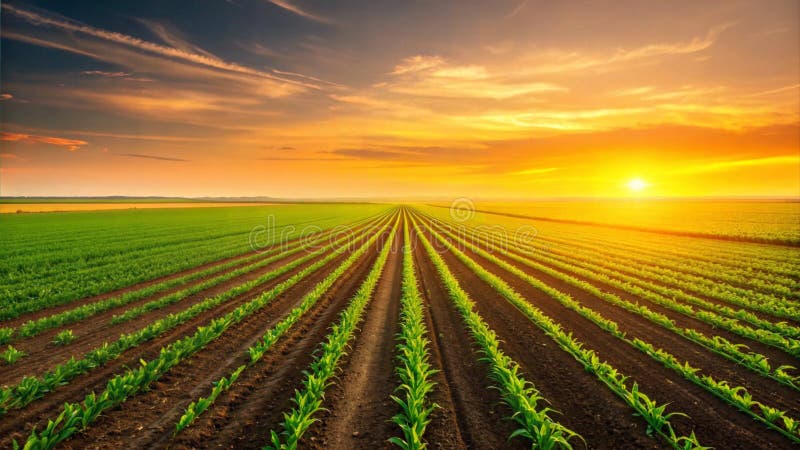
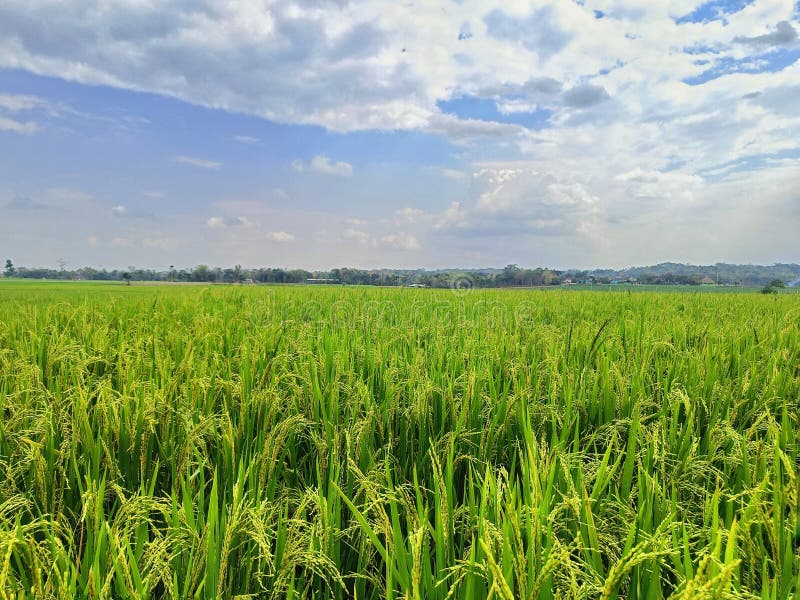
Understanding Fertilizer: Boosting Plant Growth and Soil Health
Fertilizer plays a crucial role in modern agriculture and gardening by providing essential nutrients that plants need to grow healthy and strong. Whether you are a home gardener or a large-scale farmer, understanding how fertilizer works and selecting the right type can significantly impact your crop yields and soil quality. This article explores the importance of fertilizer, the various types available, and tips for effective application to maximize plant growth and maintain sustainable soil health.
The Importance of Fertilizer in Agriculture and Gardening

Fertilizer is a substance that supplies vital nutrients to plants, primarily nitrogen (N), phosphorus (P), and potassium (K), often referred to as the NPK ratio. These nutrients are essential for various physiological functions such as photosynthesis, root development, and flowering. Over time, soil can become depleted of these nutrients due to continuous cropping and natural processes, making fertilizer application necessary to replenish the soil and support healthy plant growth.
Using fertilizer correctly helps improve crop yields, enhances the nutritional quality of fruits and vegetables, and promotes robust root systems. Additionally, fertilizers can help correct nutrient deficiencies in the soil, ensuring plants receive balanced nutrition for optimal development.
Types of Fertilizers and Their Benefits
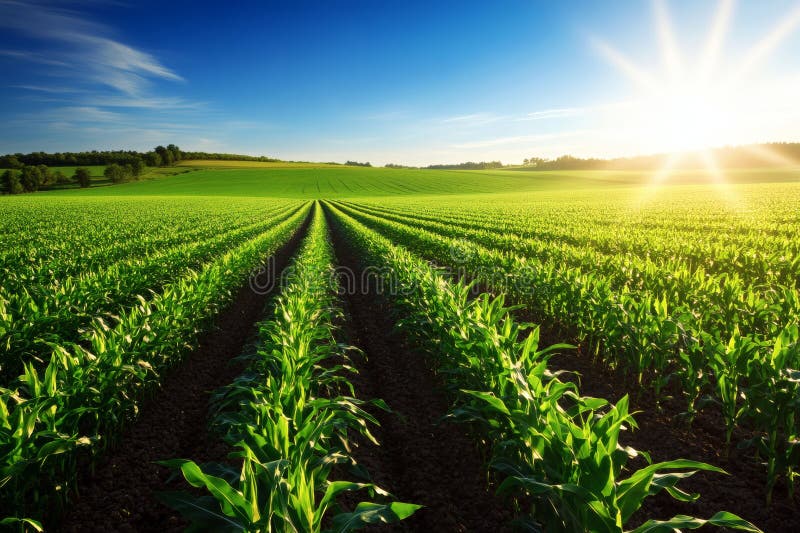
Fertilizers are broadly categorized into organic and inorganic types, each with unique advantages.
Organic Fertilizers:
Organic fertilizers are derived from natural sources such as compost, manure, bone meal, and green manure. They improve soil structure, increase microbial activity, and provide a slow release of nutrients, making them environmentally friendly and sustainable. Organic fertilizers are ideal for gardeners looking to maintain long-term soil health and reduce chemical inputs.
Inorganic Fertilizers:
Inorganic or synthetic fertilizers are manufactured chemically and provide nutrients in readily available forms. They offer precise nutrient ratios and quick nutrient release, which is beneficial for addressing immediate nutrient deficiencies. Common examples include urea, ammonium nitrate, and superphosphate. While effective, overuse of inorganic fertilizers can lead to soil degradation and environmental pollution if not managed properly.
How to Choose the Right Fertilizer for Your Plants

Selecting the appropriate fertilizer depends on several factors such as soil type, crop requirements, and environmental conditions. Conducting a soil test is the first step to identify nutrient deficiencies and pH levels. Based on the results, you can choose a fertilizer with the right NPK ratio tailored to your plants’ needs.
For example, leafy vegetables generally require higher nitrogen levels to promote lush foliage, while flowering plants benefit from fertilizers rich in phosphorus to support bloom development. Additionally, consider the timing and method of fertilizer application—whether it’s broadcasting, side-dressing, or foliar feeding—to maximize nutrient uptake and minimize losses.
Best Practices for Fertilizer Application

To ensure effective fertilizer use, follow these best practices:
– Apply fertilizer at the recommended rates to avoid nutrient imbalances and environmental harm.
– Incorporate fertilizer into the soil to reduce nutrient runoff and volatilization.
– Use split applications for crops with long growing seasons to provide a steady nutrient supply.
– Combine fertilizer use with organic matter additions to improve soil fertility and structure.
– Monitor plant growth and soil health regularly to adjust fertilizer practices as needed.
Conclusion

Fertilizer is an indispensable tool for enhancing plant growth and maintaining soil fertility. By understanding the different types of fertilizers and how to apply them effectively, gardeners and farmers can achieve higher yields, healthier plants, and sustainable agricultural practices. Start optimizing your plant nutrition today by choosing the right fertilizer and applying it wisely for a thriving garden or farm. For more expert tips on fertilizer use and soil management, subscribe to our newsletter and stay informed!