Mulch: The Ultimate Guide to Enhancing Your Garden’s Health and Beauty
Meta description: Mulch is an essential gardening material that improves soil health, conserves moisture, and suppresses weeds. Discover the benefits of mulch, the different types available, and expert tips on how to apply mulch effectively to transform your garden into a thriving, beautiful space.
Mulch: Transform Your Garden with This Simple Gardening Essential
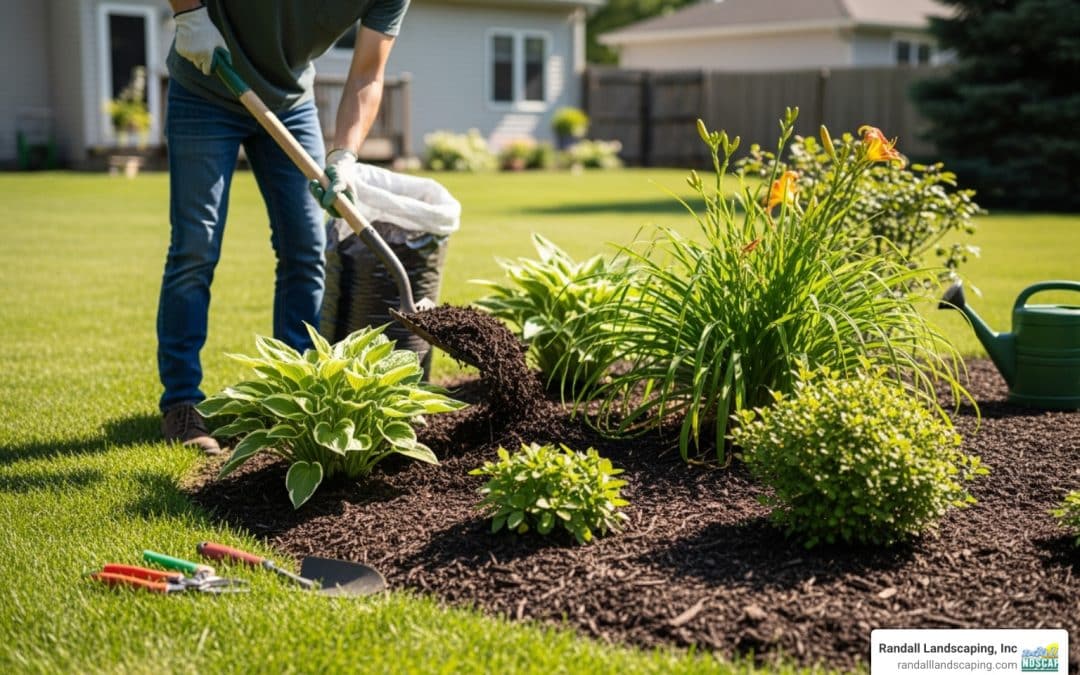
Mulch is a versatile and invaluable addition to any garden, offering numerous benefits that promote plant health and enhance the overall appearance of your outdoor space. Whether you’re a seasoned gardener or a beginner, understanding how to use mulch effectively can make a significant difference in the success of your garden. In this comprehensive guide, we will explore what mulch is, the various types available, and how to apply mulch to maximize its benefits.
What is Mulch and Why is it Important?
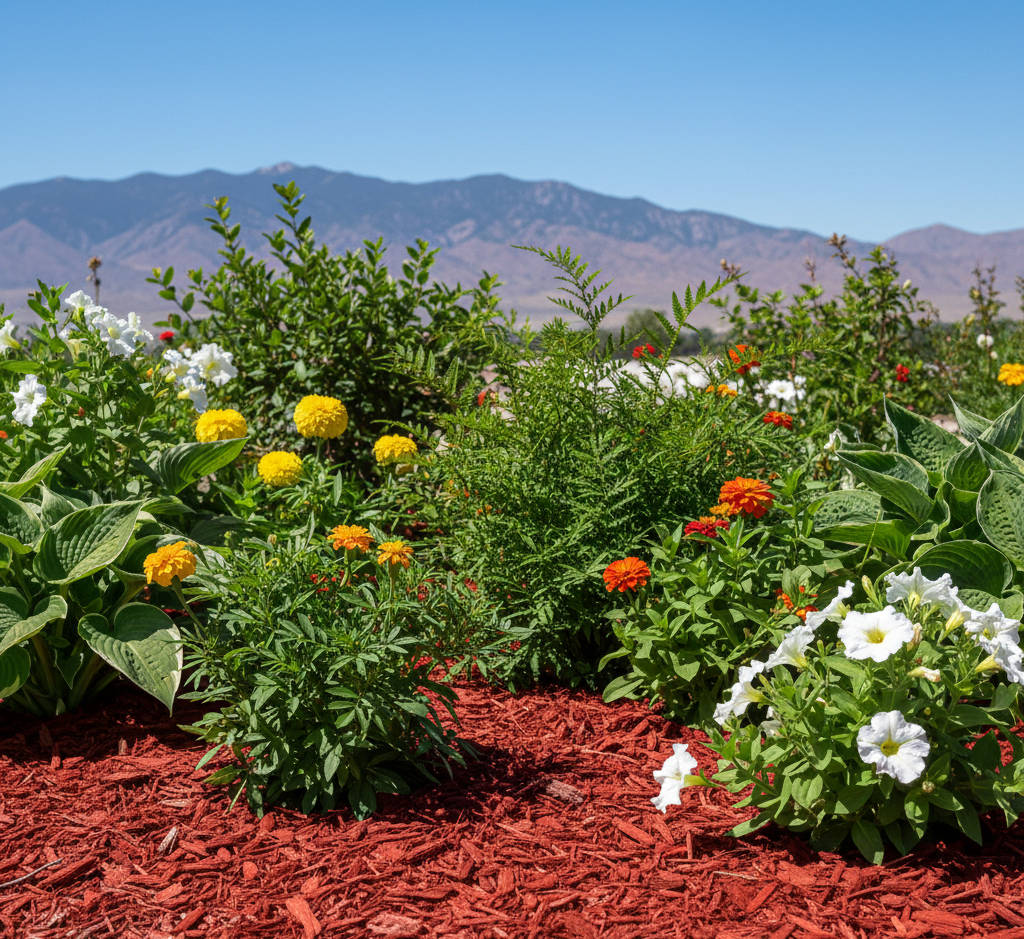
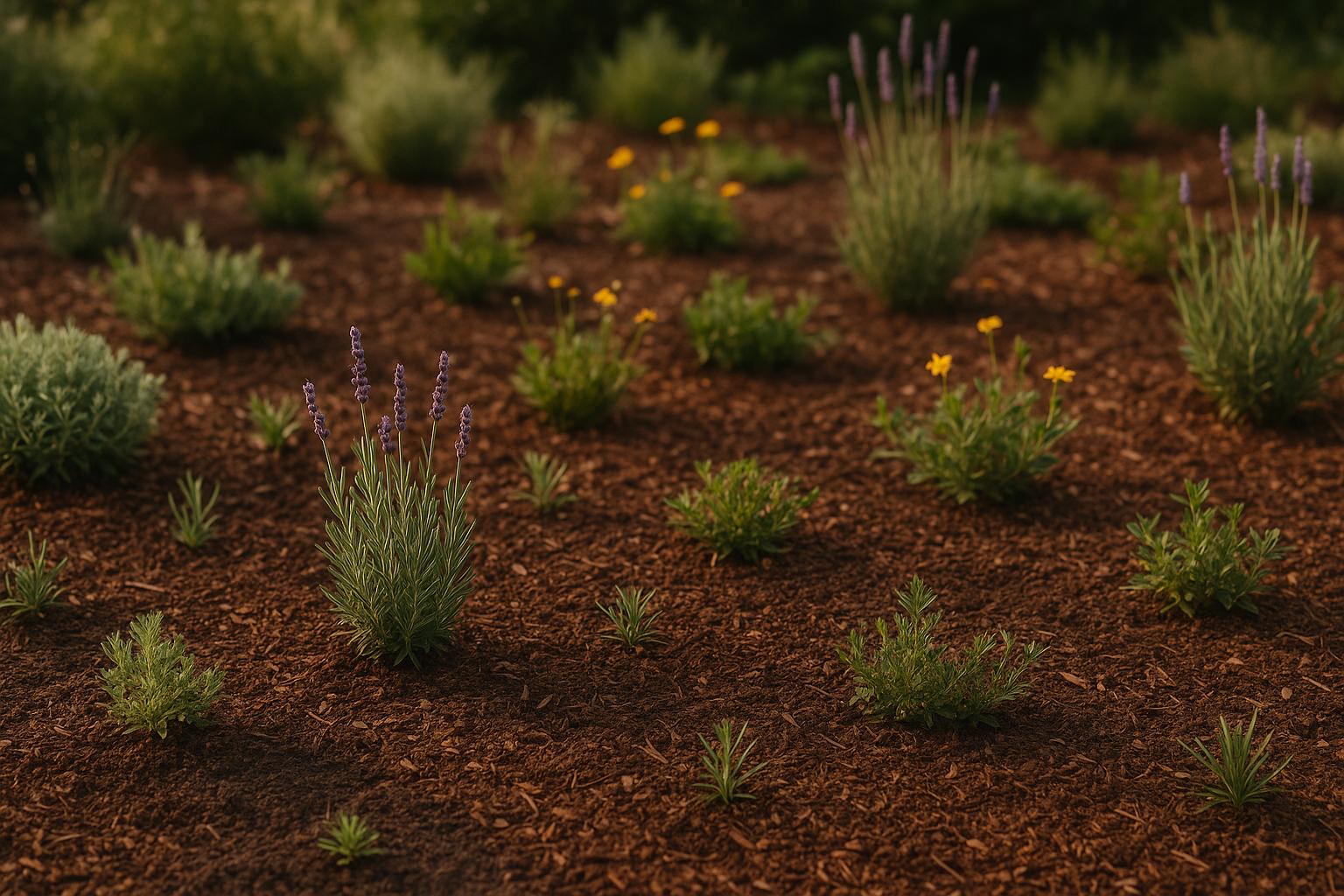
Mulch refers to a layer of material spread over the surface of the soil to protect and enrich it. This protective covering can be made from organic materials like wood chips, bark, straw, or compost, as well as inorganic materials such as rubber, gravel, or plastic sheeting. The primary purpose of mulch is to conserve soil moisture, regulate soil temperature, suppress weed growth, and improve soil fertility as it decomposes.
Using mulch in your garden offers several advantages:
– **Moisture Retention:** Mulch reduces evaporation, keeping the soil moist for longer periods, which is especially beneficial during hot or dry weather.
– **Weed Control:** By blocking sunlight, mulch prevents weed seeds from germinating, reducing the need for manual weeding or chemical herbicides.
– **Soil Temperature Regulation:** Mulch acts as an insulating layer, protecting plant roots from extreme temperatures.
– **Soil Improvement:** Organic mulches decompose over time, adding valuable nutrients and improving soil structure.
– **Erosion Prevention:** Mulch helps to prevent soil erosion caused by wind and rain.
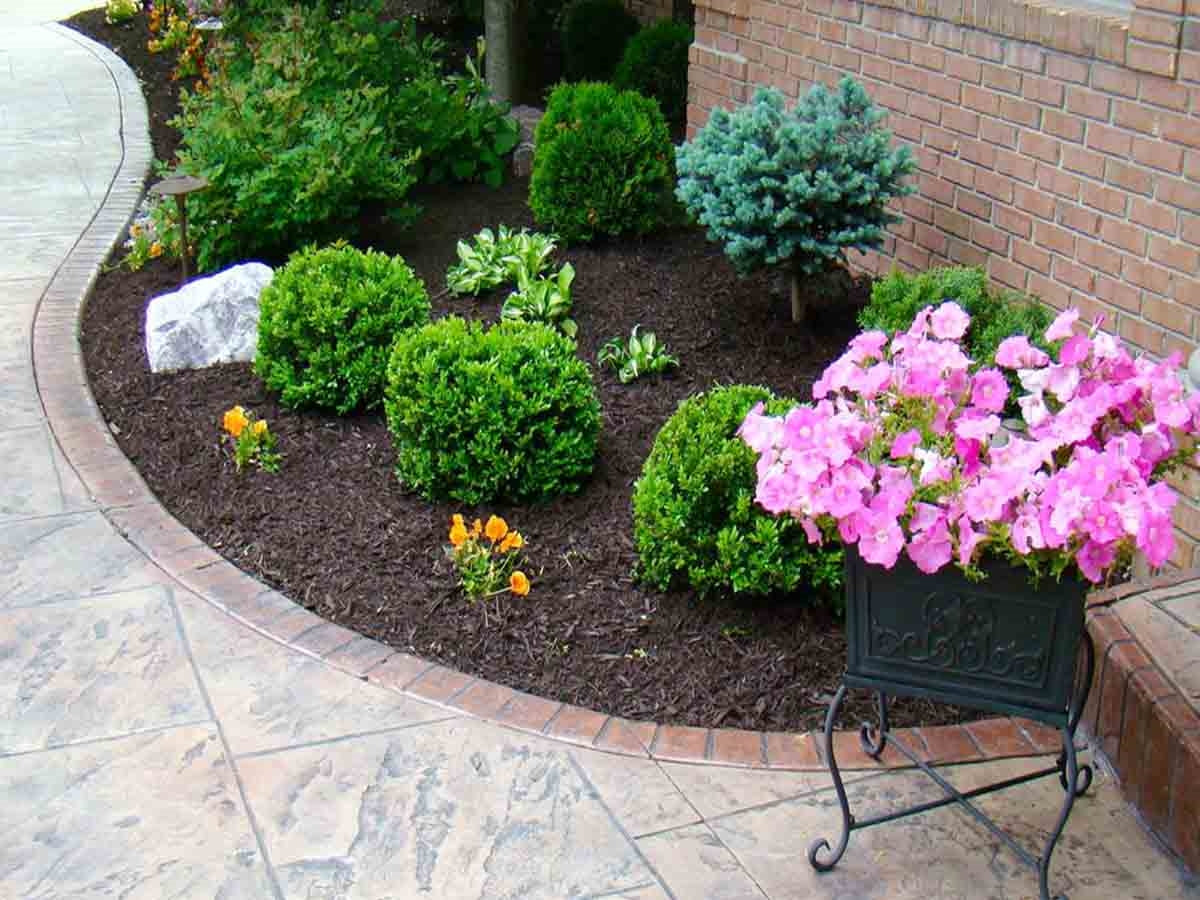
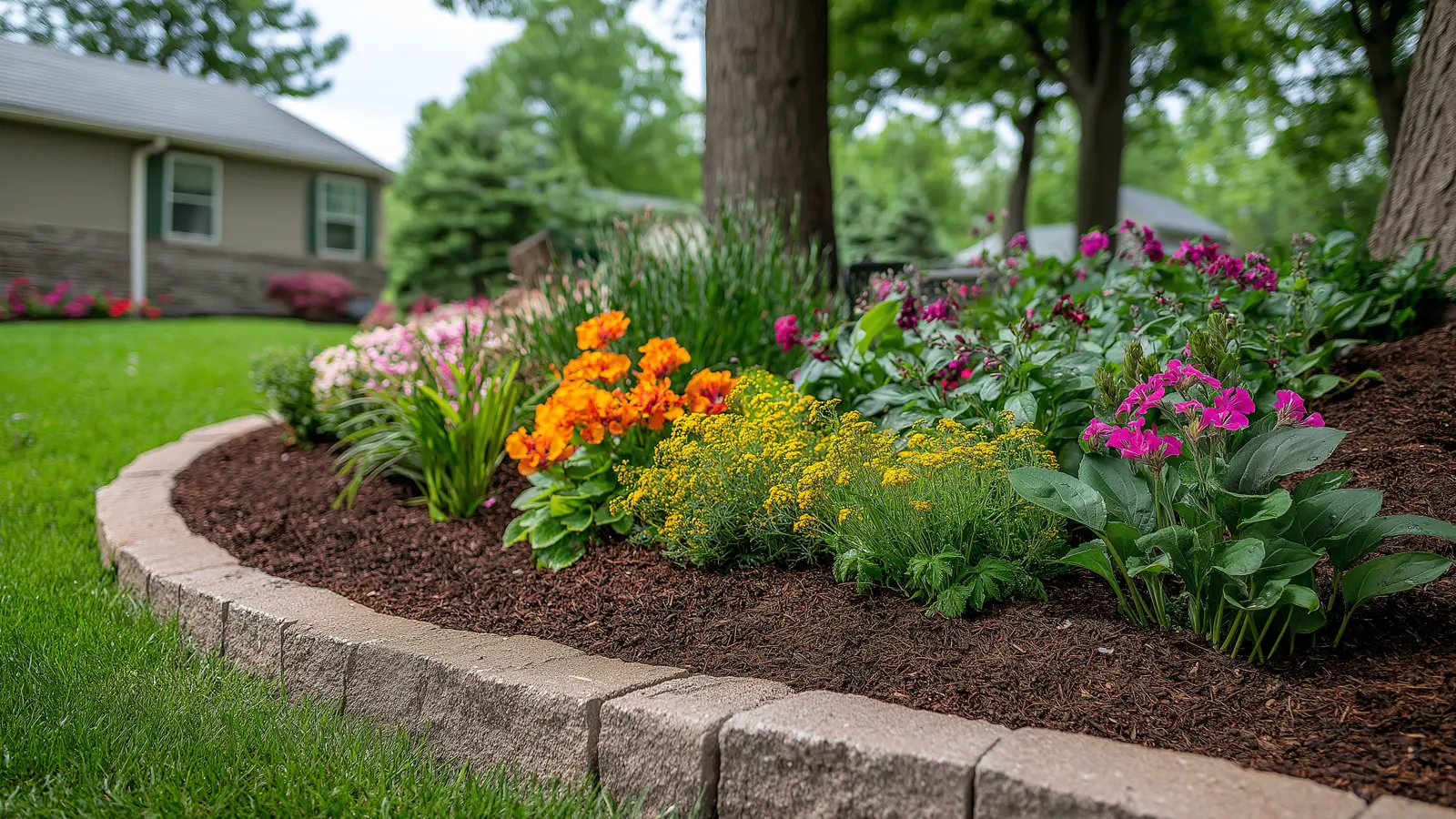
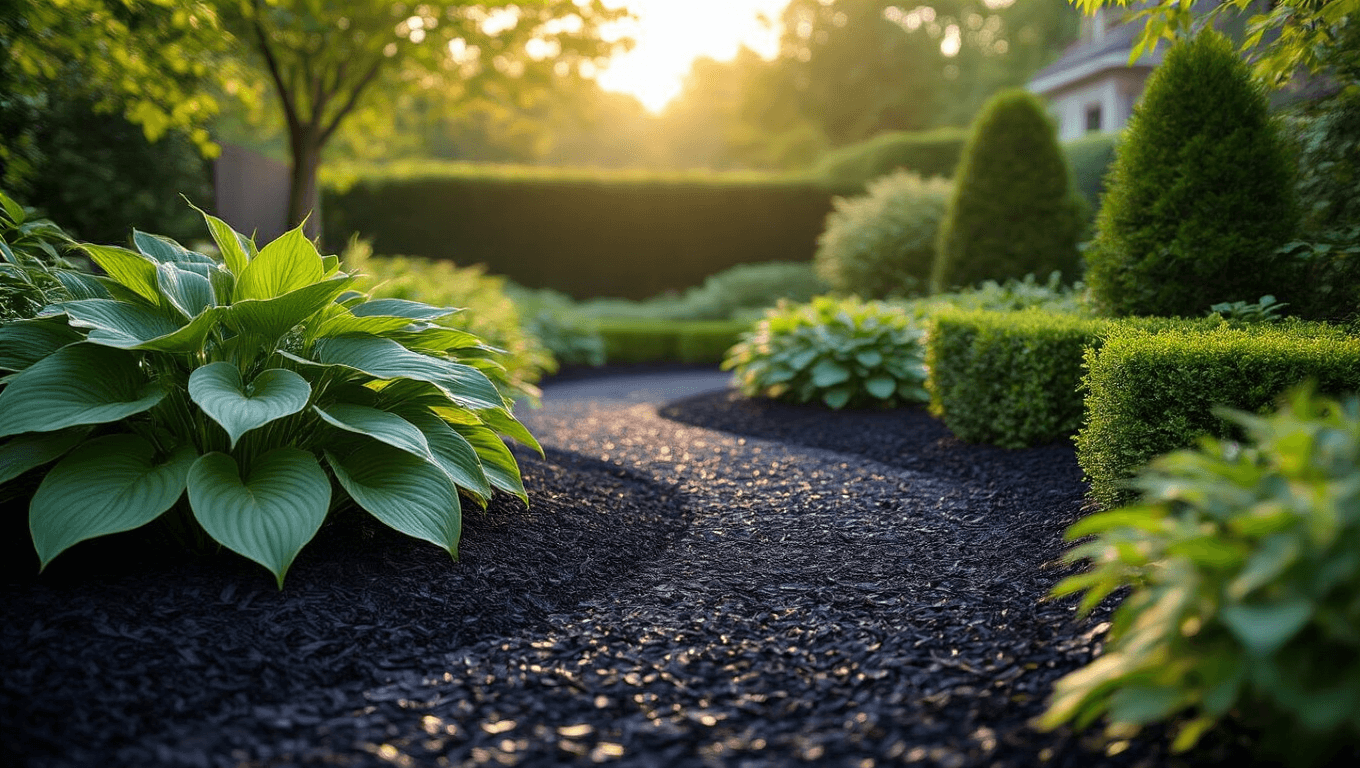
– **Aesthetic Appeal:** Mulch provides a neat, uniform appearance to garden beds, enhancing curb appeal.
Types of Mulch: Choosing the Right One for Your Garden
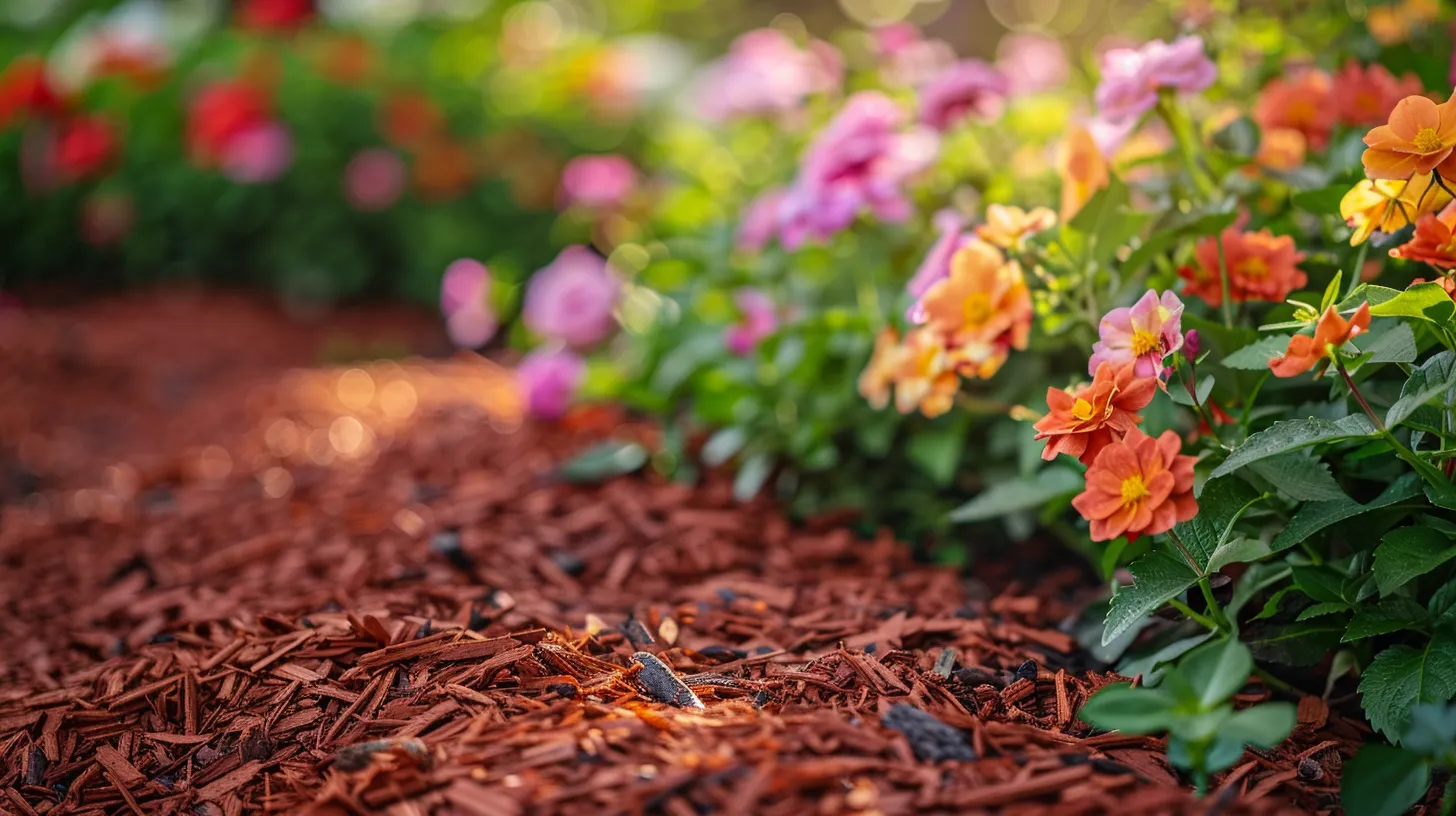
Selecting the appropriate type of mulch depends on your garden’s needs, budget, and aesthetic preferences. Here are some common types of mulch and their characteristics:
1. **Organic Mulch:**
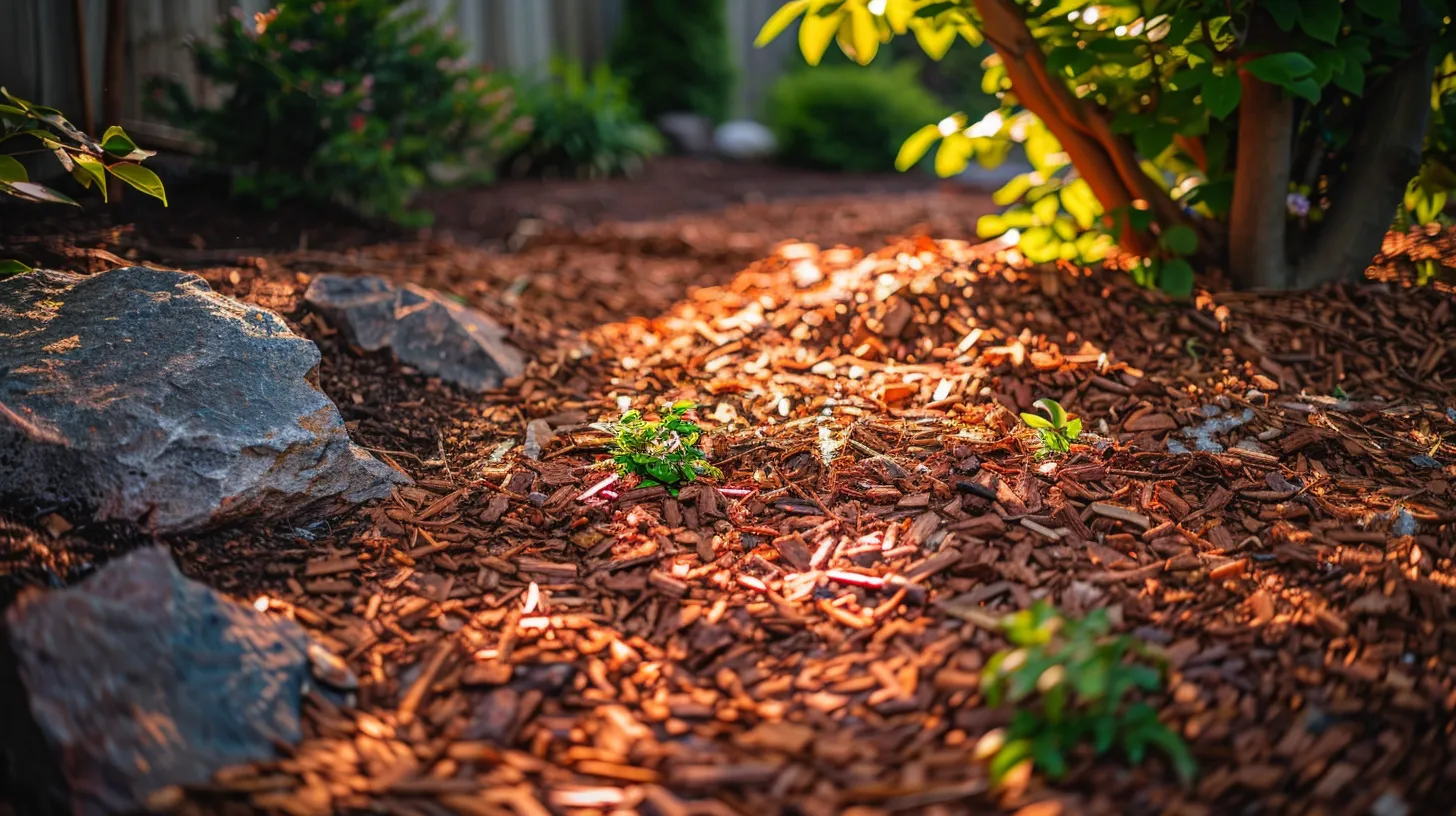
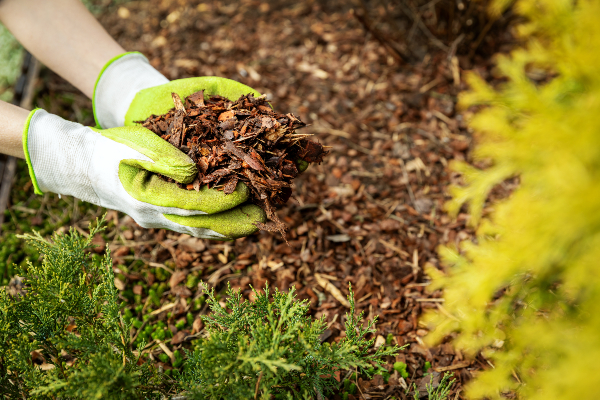
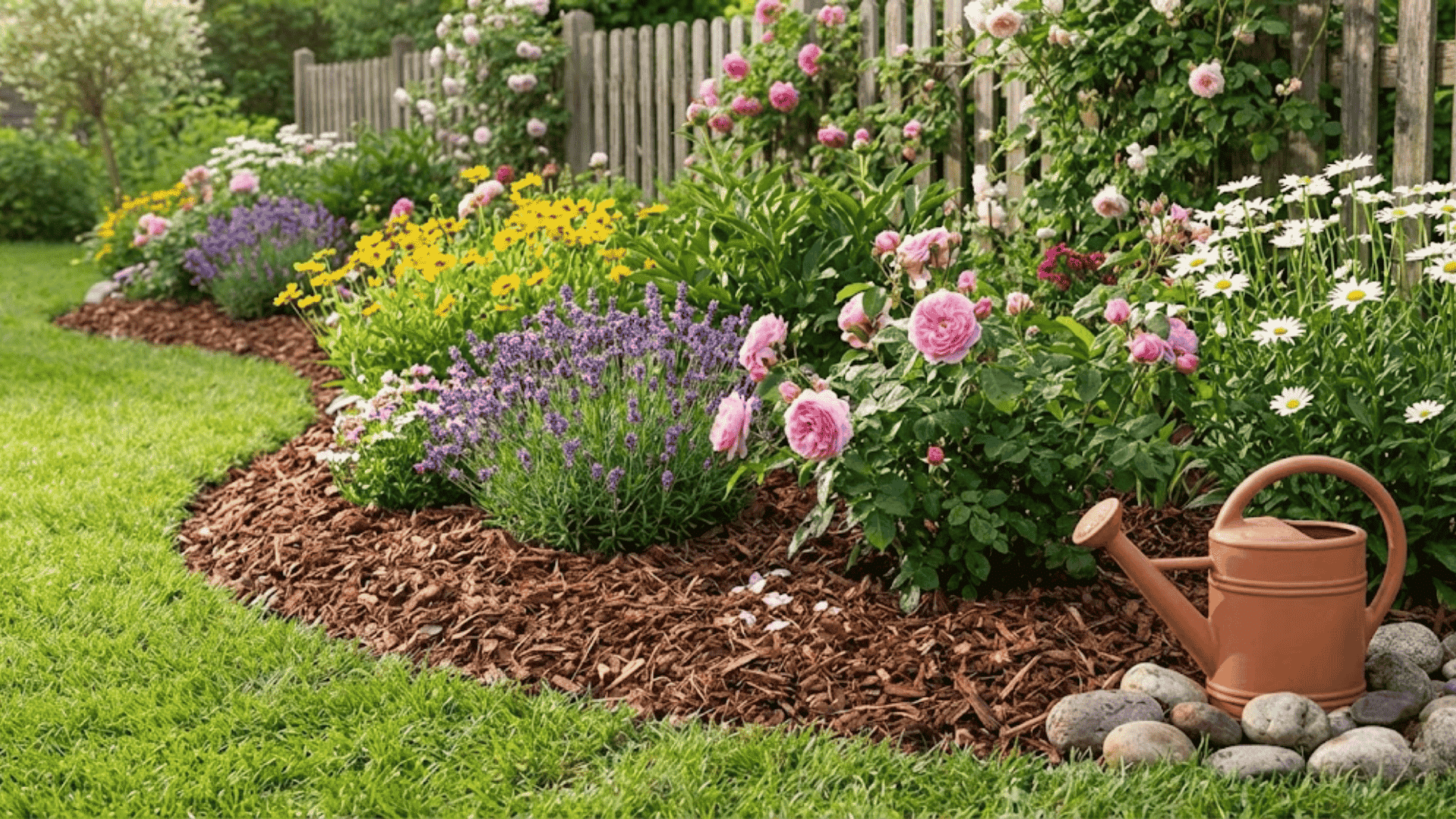
– *Wood Chips and Bark:* These are popular for flower beds and around trees. They decompose slowly, providing long-lasting coverage.
– *Straw and Hay:* Ideal for vegetable gardens, these mulches break down quickly and enrich the soil.
– *Compost:* Rich in nutrients, compost mulch improves soil fertility but requires frequent replenishment.
– *Leaves:* Shredded leaves are an inexpensive mulch option that adds organic matter to the soil.
2. **Inorganic Mulch:**
– *Rubber Mulch:* Made from recycled tires, rubber mulch is durable and does not decompose but may retain heat.
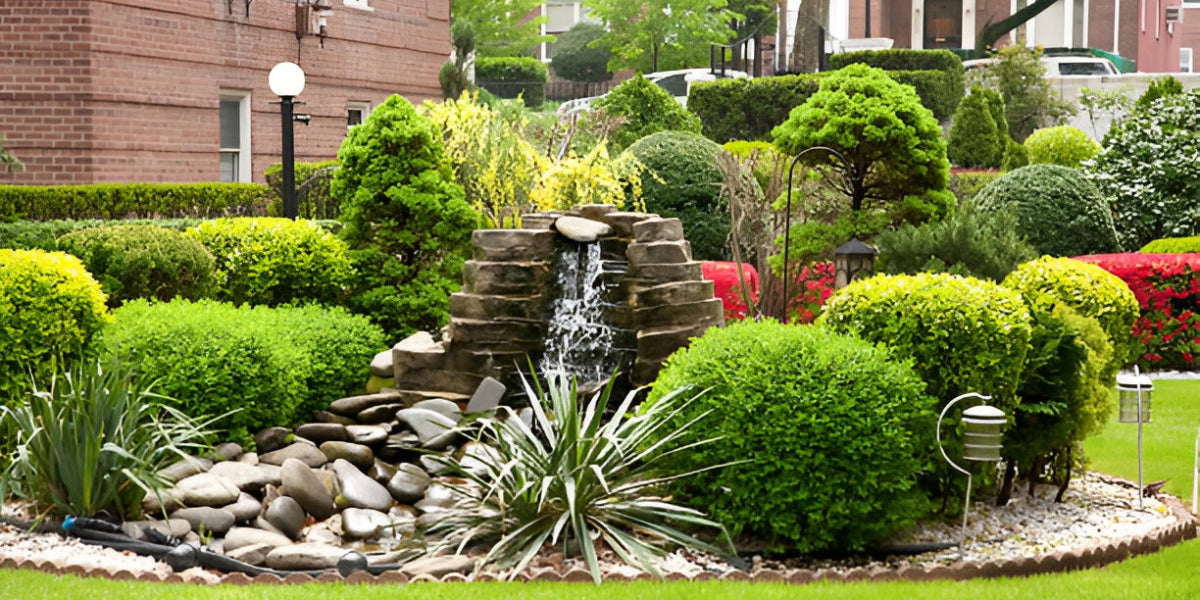
– *Gravel and Stones:* These provide excellent drainage and are often used in xeriscaping or around pathways.
– *Plastic Sheeting:* Used primarily for weed control in vegetable gardens, but it does not improve soil health.
How to Apply Mulch for Maximum Benefits
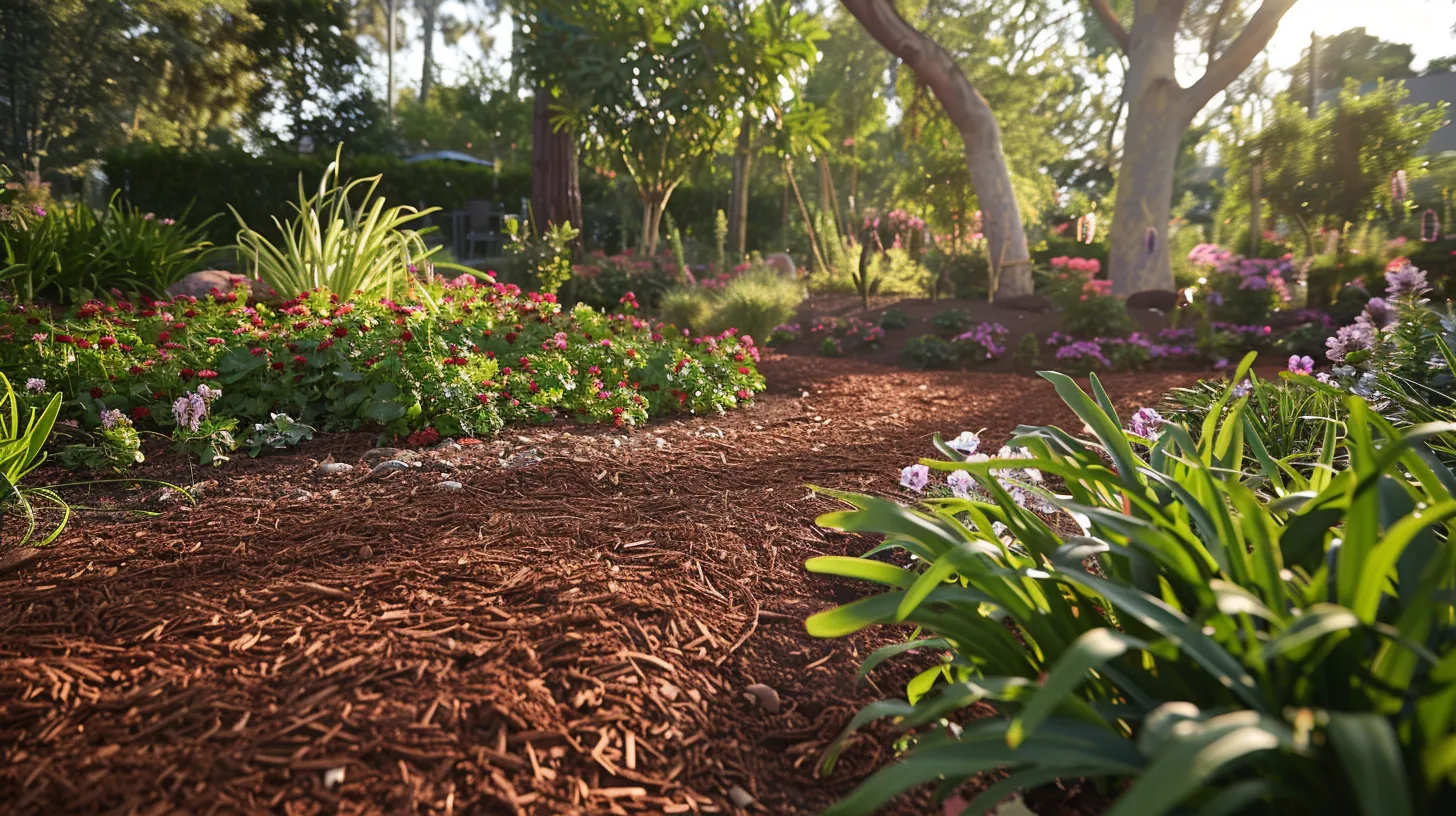
Proper application of mulch is crucial to ensure it delivers the desired benefits without harming your plants. Follow these expert tips for effective mulching:
– **Prepare the Area:** Remove any existing weeds and water the soil thoroughly before applying mulch.
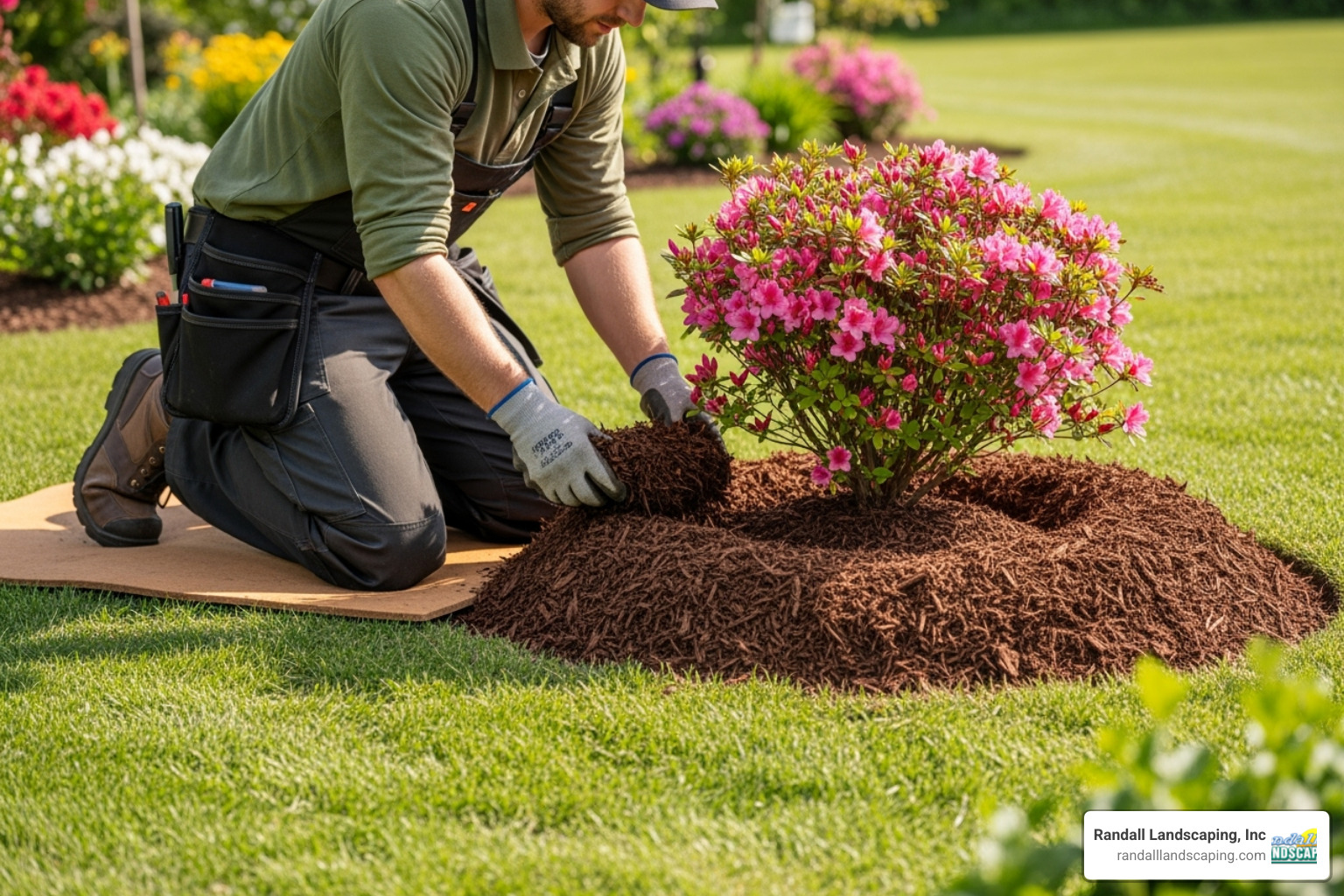
– **Apply the Right Thickness:** Spread mulch in a layer 2 to 4 inches thick. Too thin a layer won’t suppress weeds effectively, while too thick can suffocate roots.
– **Keep Mulch Away from Plant Stems:** Avoid piling mulch directly against the stems or trunks of plants to prevent rot and pest issues.
– **Replenish as Needed:** Organic mulches decompose over time, so replenish them annually or as necessary.
– **Consider Seasonal Needs:** Apply mulch in spring to retain moisture and in fall to protect roots from winter cold.
Conclusion
Mulch is a simple yet powerful tool that can dramatically improve the health and appearance of your garden. By conserving moisture, suppressing weeds, regulating soil temperature, and enriching the soil, mulch helps your plants thrive while reducing maintenance efforts. Whether you choose organic or inorganic mulch, proper application is key to unlocking its full potential. Start incorporating mulch into your gardening routine today and watch your garden flourish. Ready to enhance your garden with mulch? Explore our wide selection of high-quality mulching materials and transform your outdoor space now!
:max_bytes(150000):strip_icc()/101300224_preview-65ec83d4b8824fd599d090ff56976e41.jpg)
:max_bytes(150000):strip_icc()/102316600_preview-d0cde8bcd81c49b780c23ac81f22e916.jpg)