Compost
Meta description:
Discover the benefits of compost and how it can transform your garden into a thriving, sustainable ecosystem. Compost enriches soil, reduces waste, and promotes healthy plant growth. Learn practical tips for creating your own compost at home and why composting is essential for eco-friendly gardening.
Understanding Compost: The Key to Sustainable Gardening
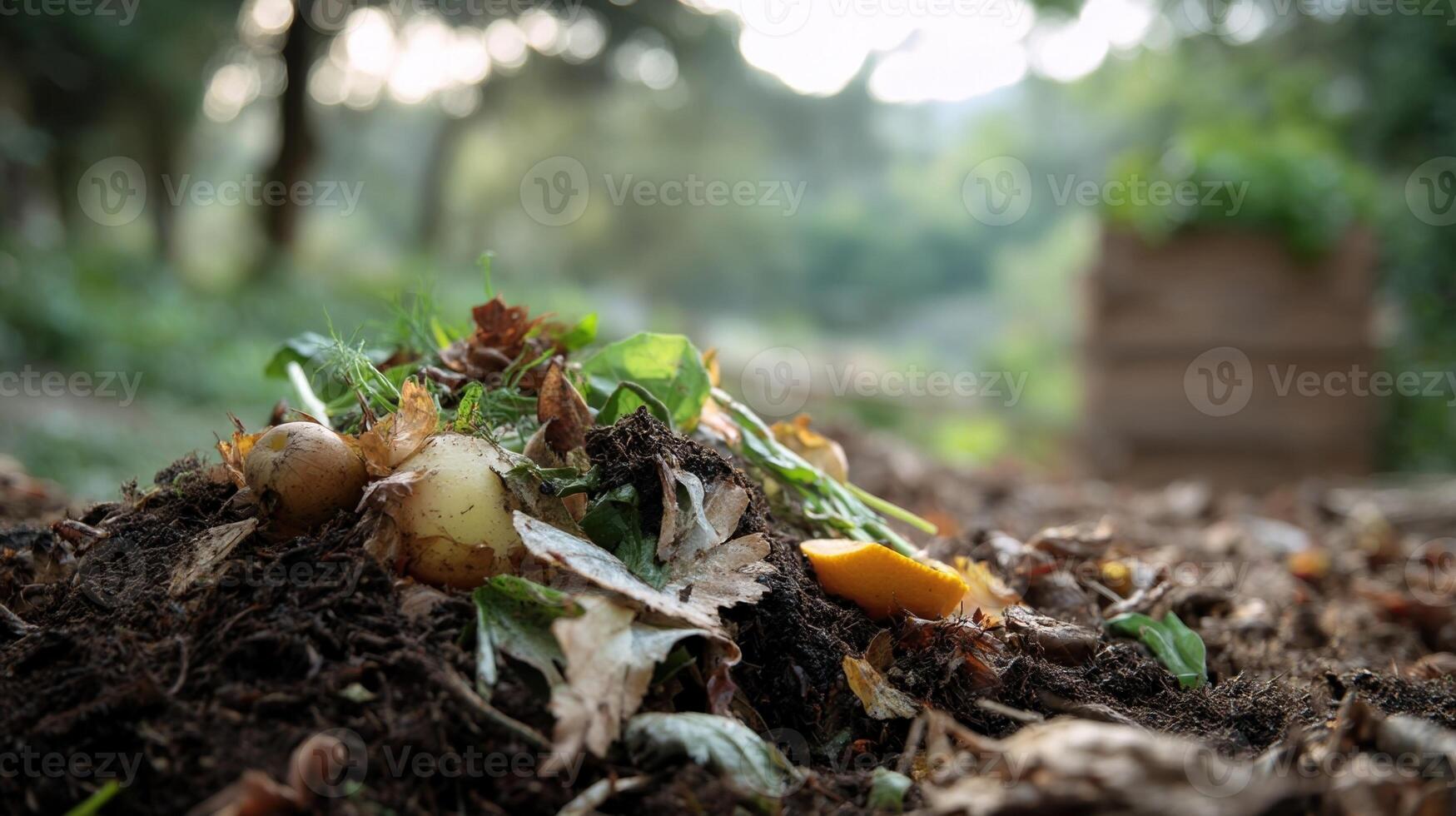
Compost is nature’s way of recycling organic matter, turning kitchen scraps and garden waste into nutrient-rich soil. This natural process not only reduces landfill waste but also improves soil health, making it an essential practice for gardeners and environmentally conscious individuals. In this article, we will explore what compost is, how to make it, and the numerous benefits it offers for your garden and the planet.
What Is Compost and Why Is It Important?
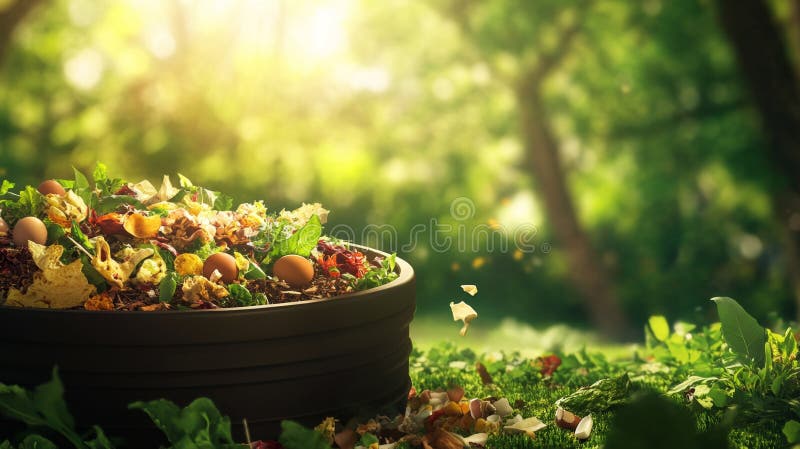
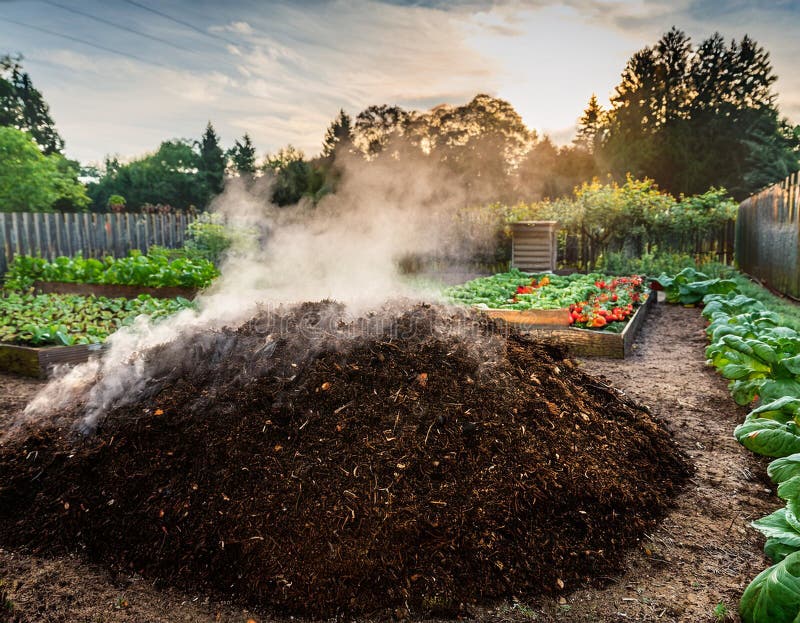
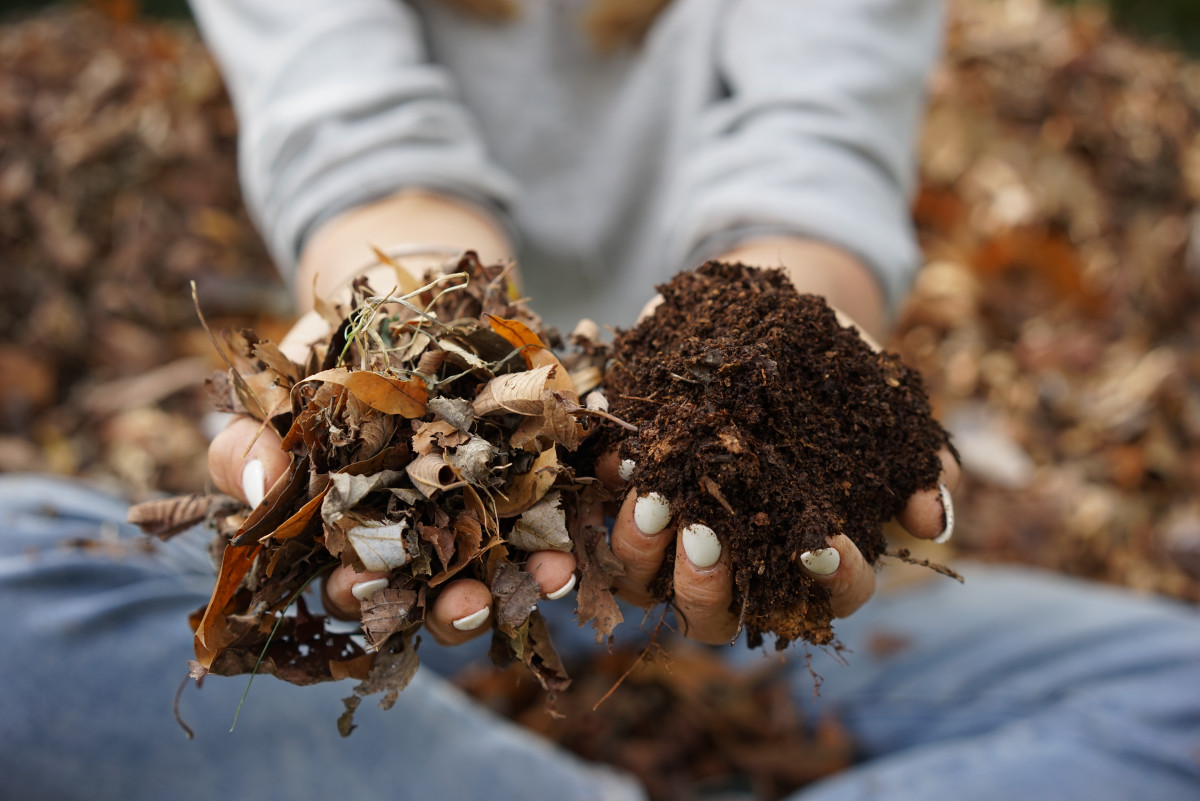
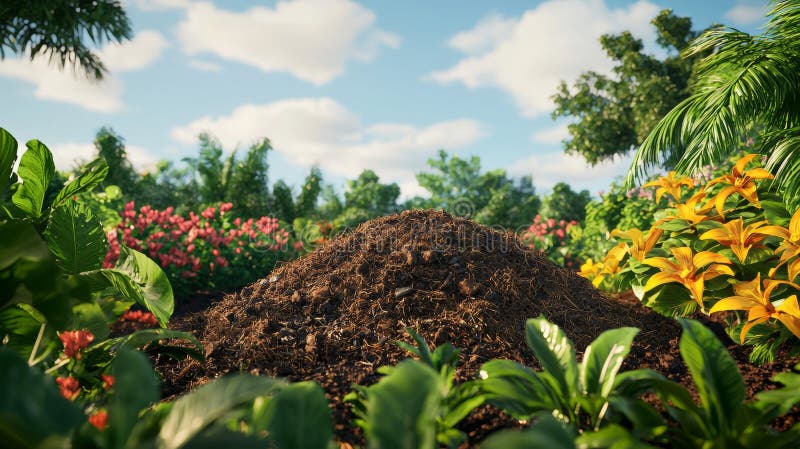
Compost is decomposed organic material that can be added to soil to improve its texture, nutrient content, and moisture retention. It is created through the natural breakdown of food scraps, leaves, grass clippings, and other biodegradable materials by microorganisms such as bacteria and fungi. The result is a dark, crumbly substance often referred to as “black gold” by gardeners.
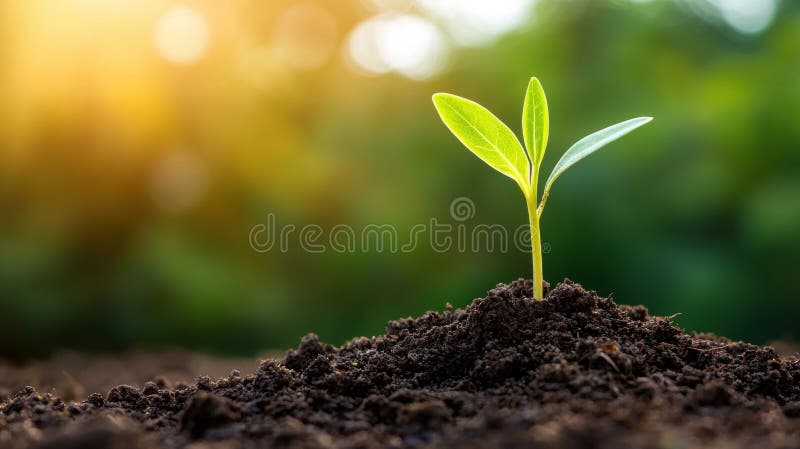
The importance of compost lies in its ability to enhance soil fertility without the need for chemical fertilizers. It supports healthy plant growth by providing essential nutrients like nitrogen, phosphorus, and potassium. Additionally, compost improves soil structure, allowing better air circulation and water retention, which helps plants withstand drought and disease.
How to Make Compost at Home
Creating compost at home is a straightforward process that requires minimal effort but yields significant rewards. Here’s a step-by-step guide to get you started:
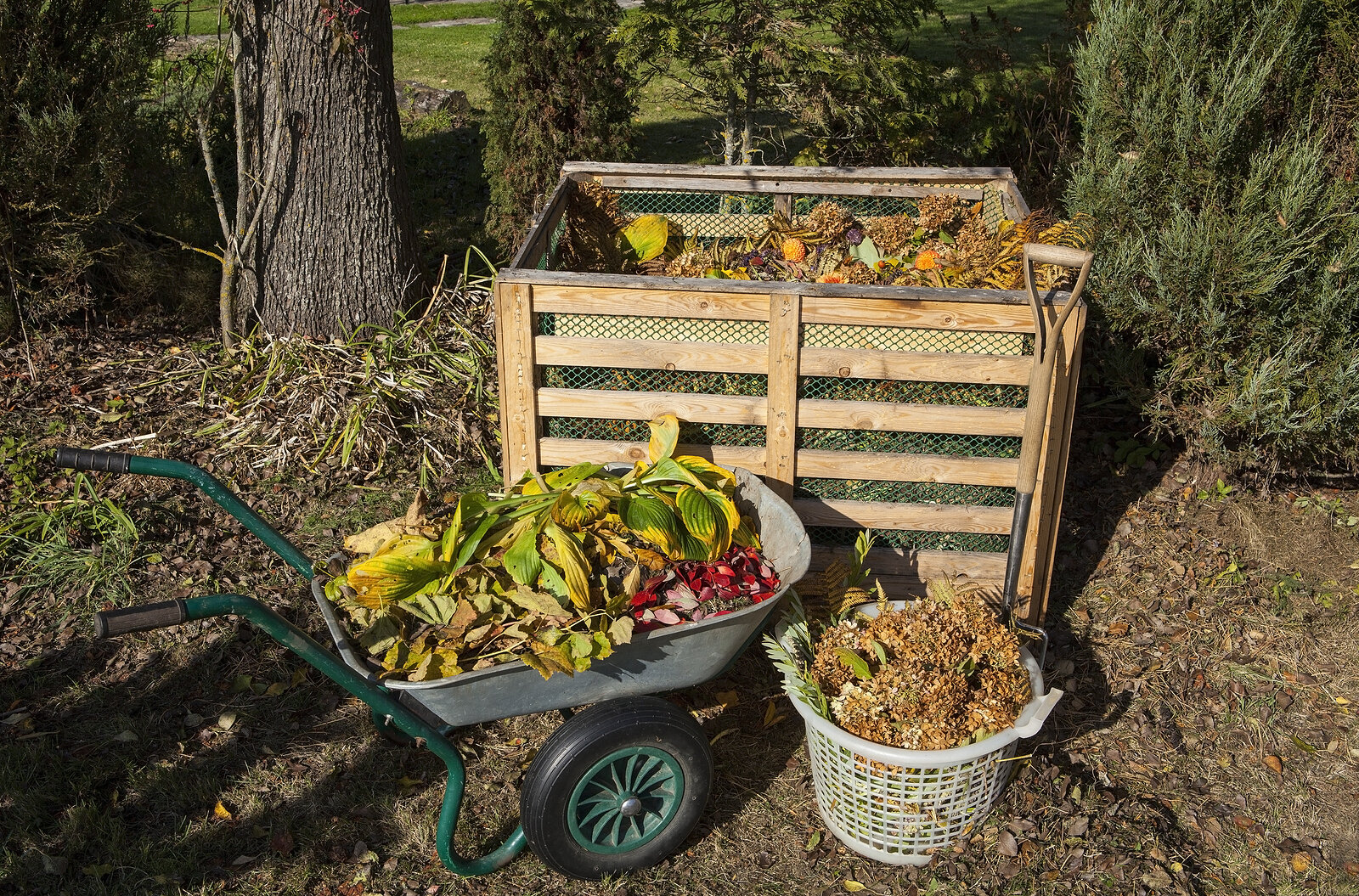
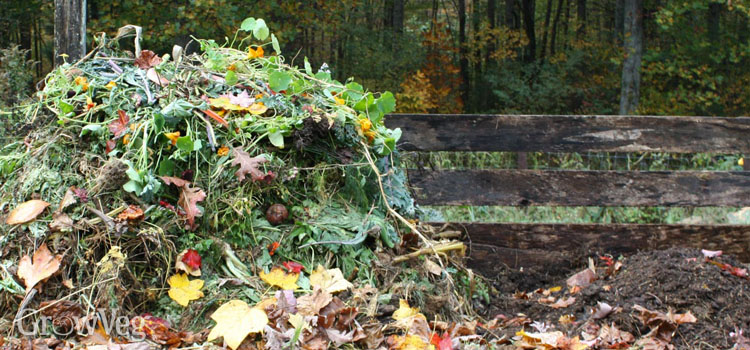
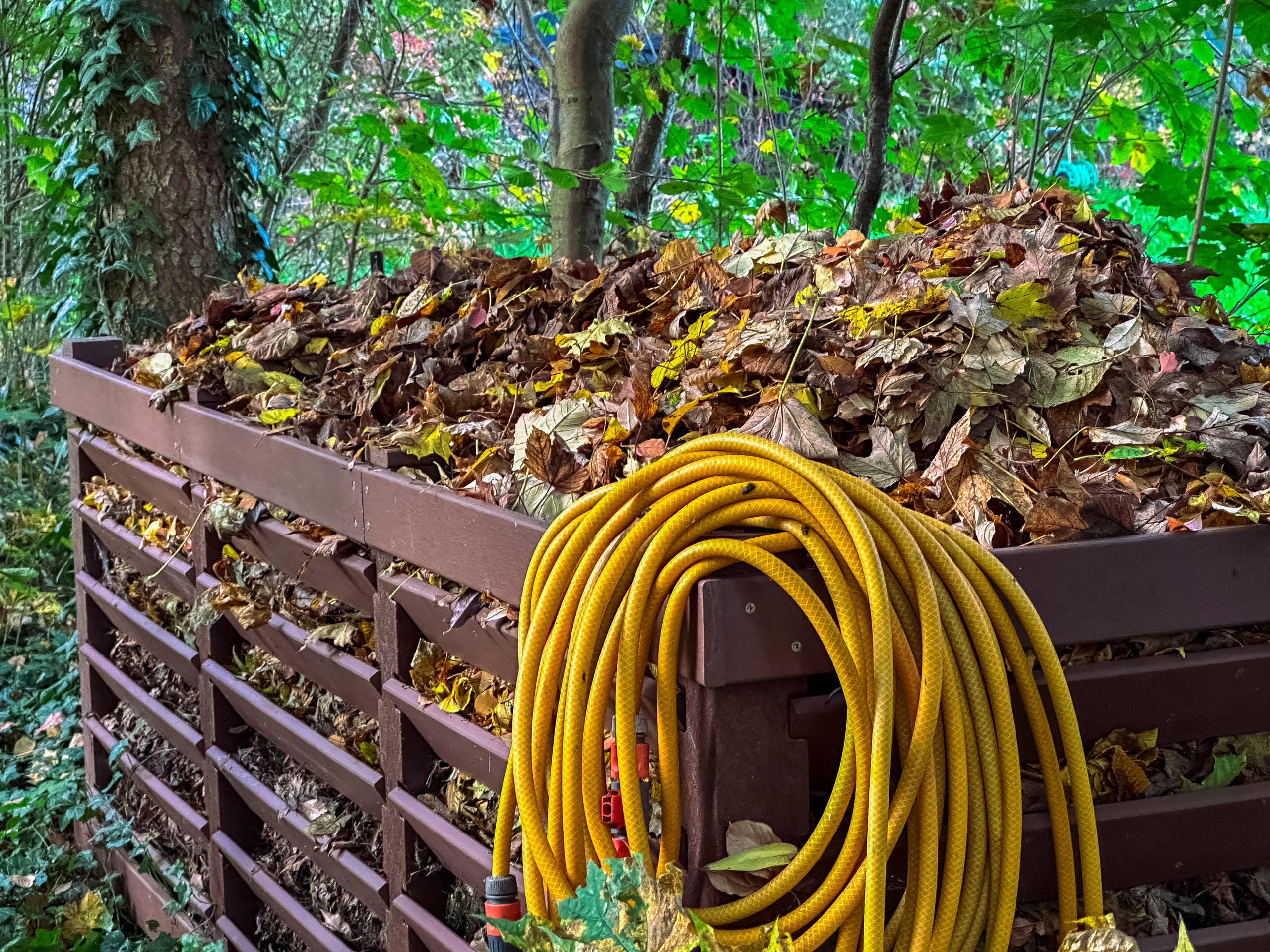
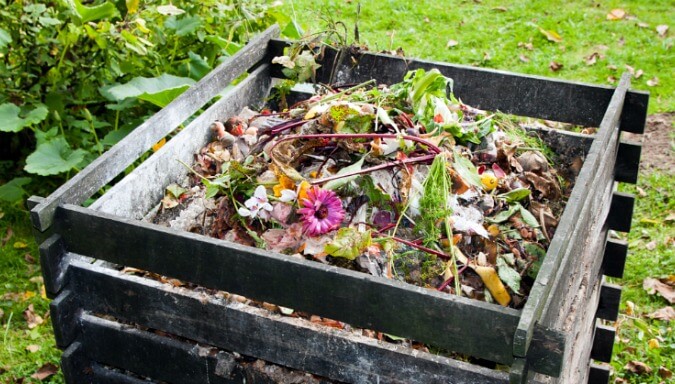
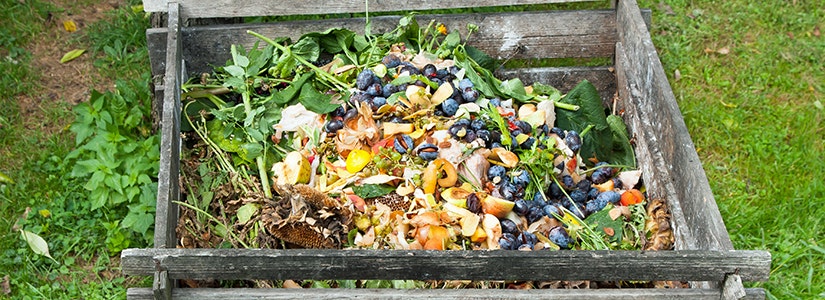
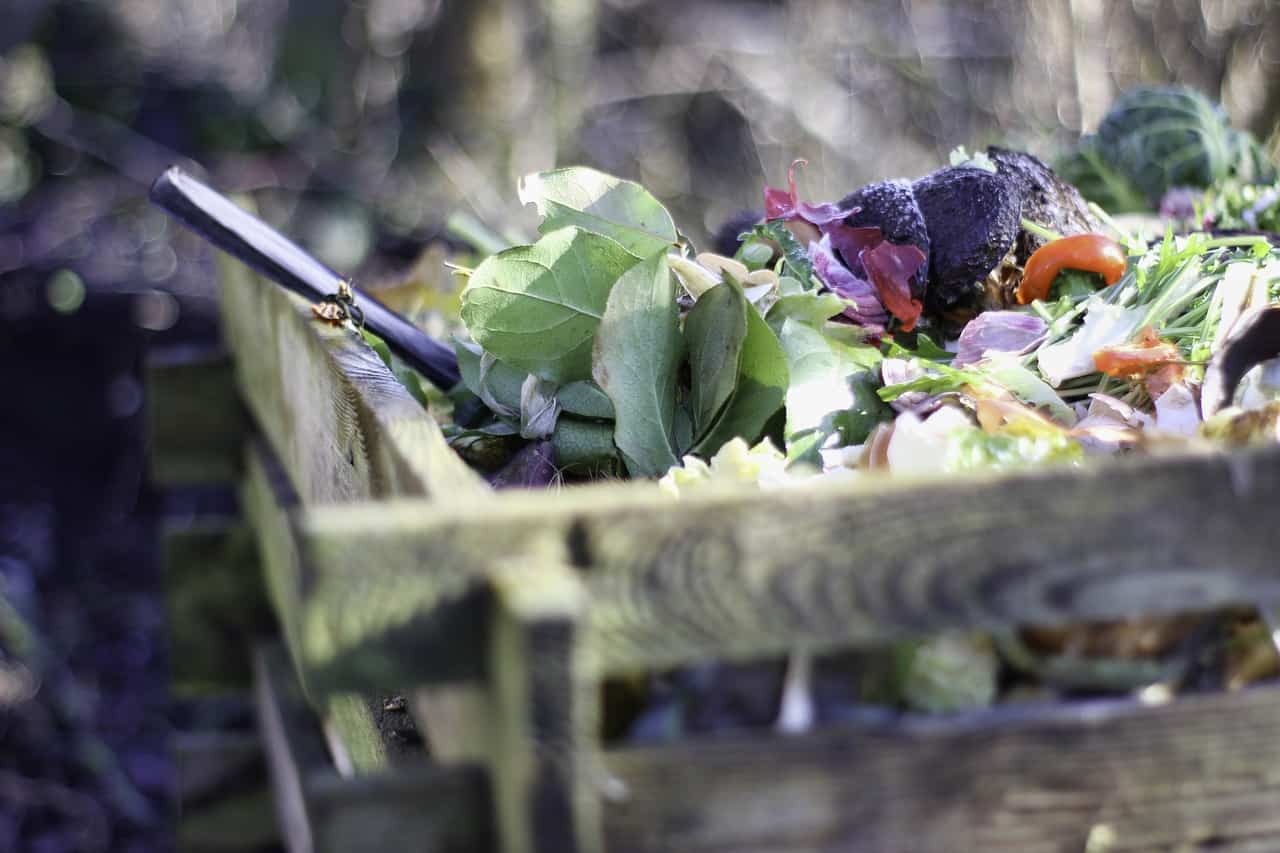
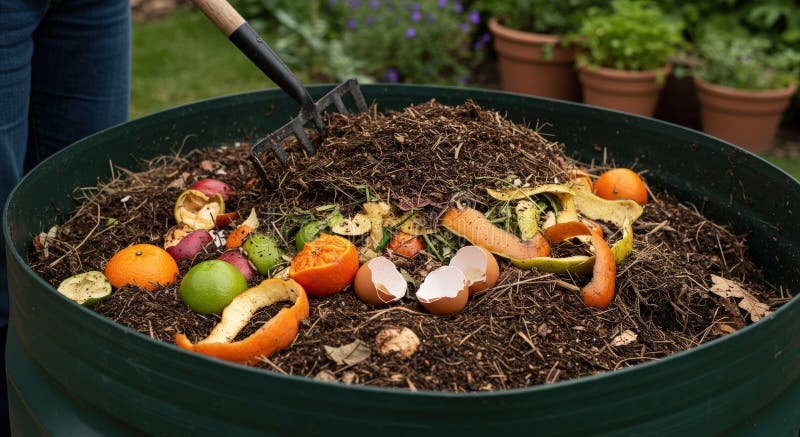
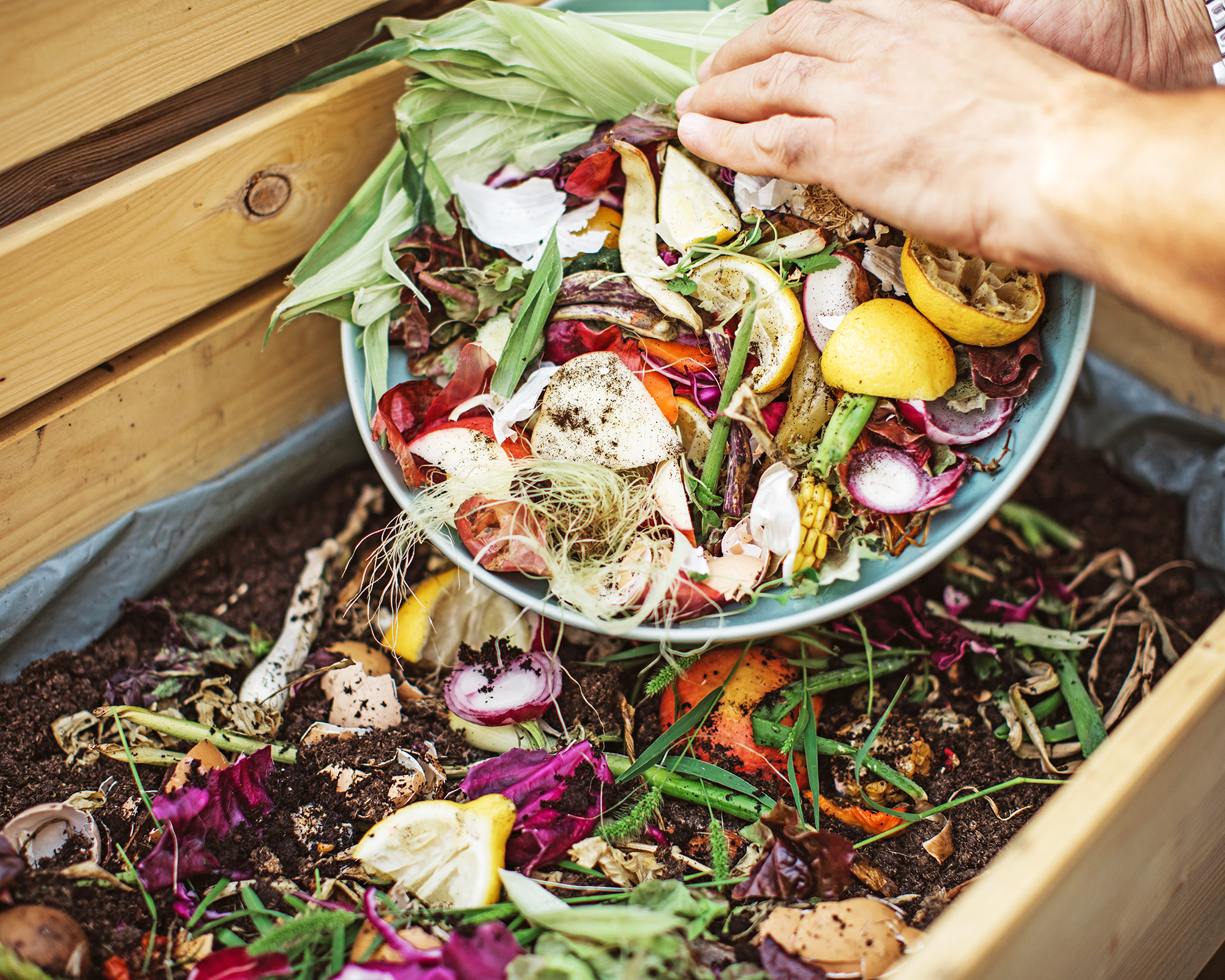
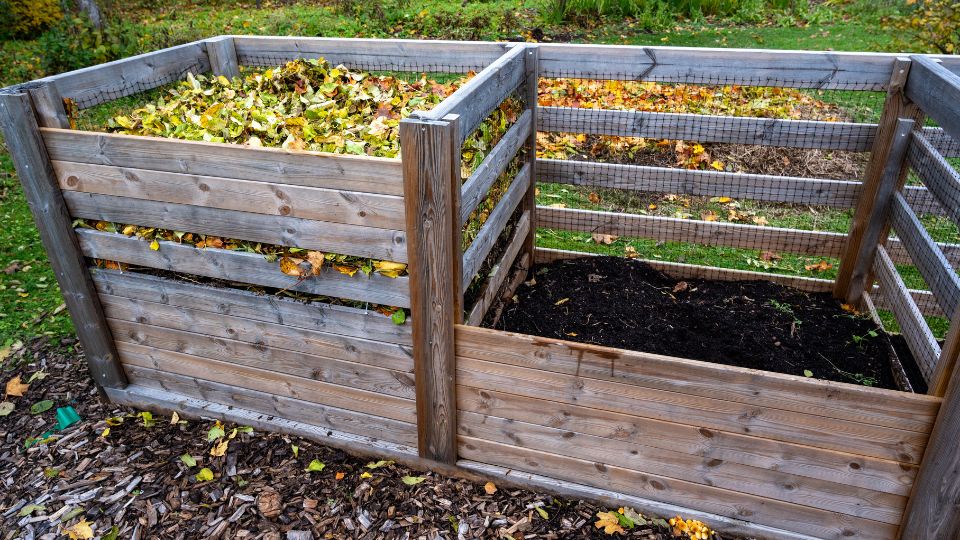
1. **Choose a Compost Bin or Pile:** Select a suitable container or designate a spot in your yard for composting. Bins help contain the material and speed up decomposition, but a simple pile works as well.
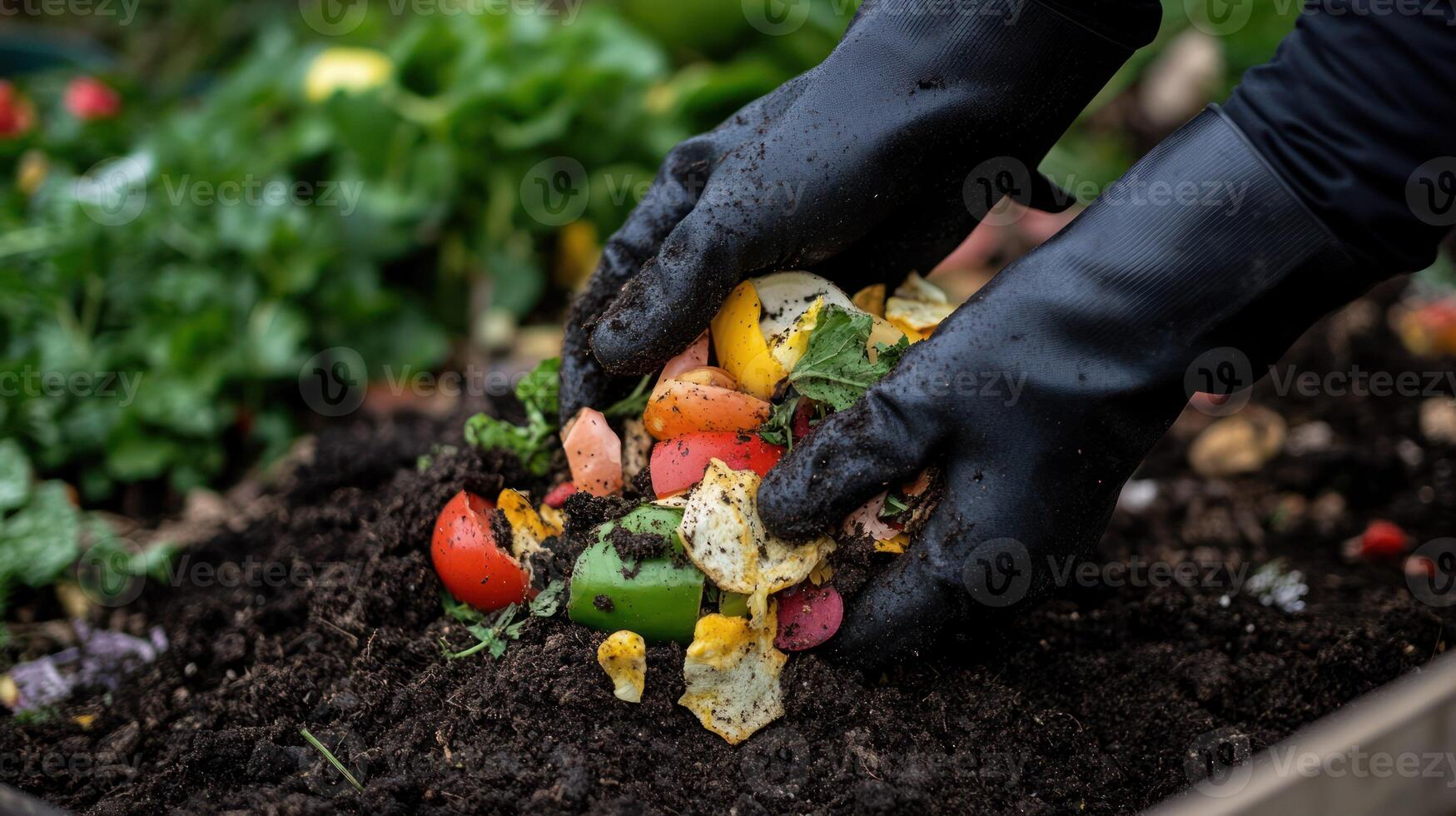
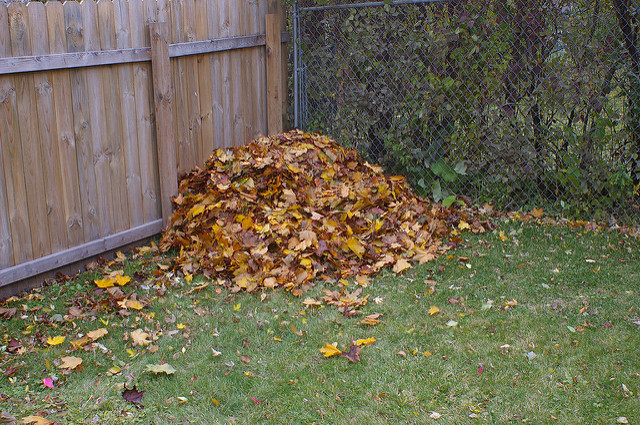
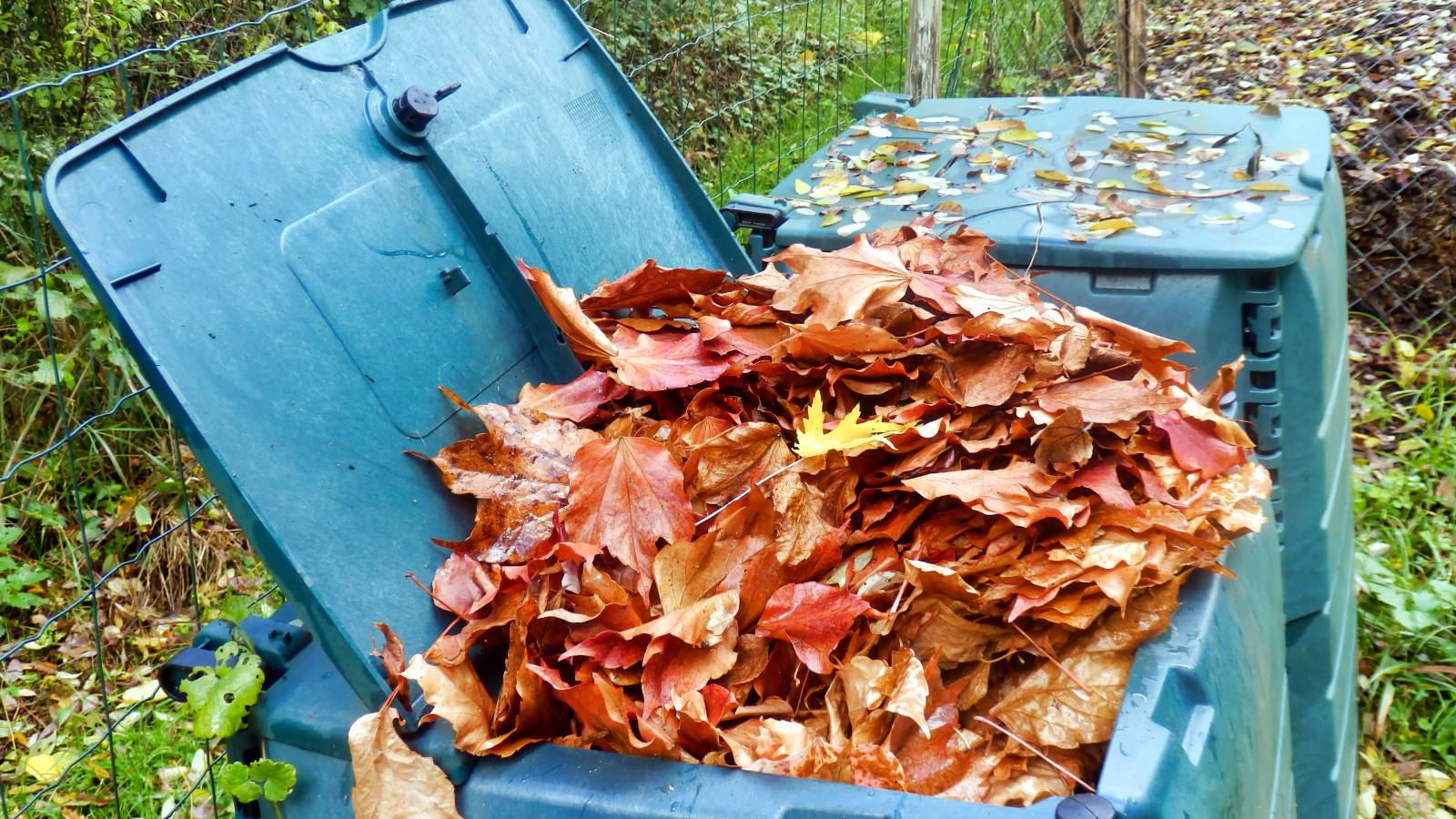
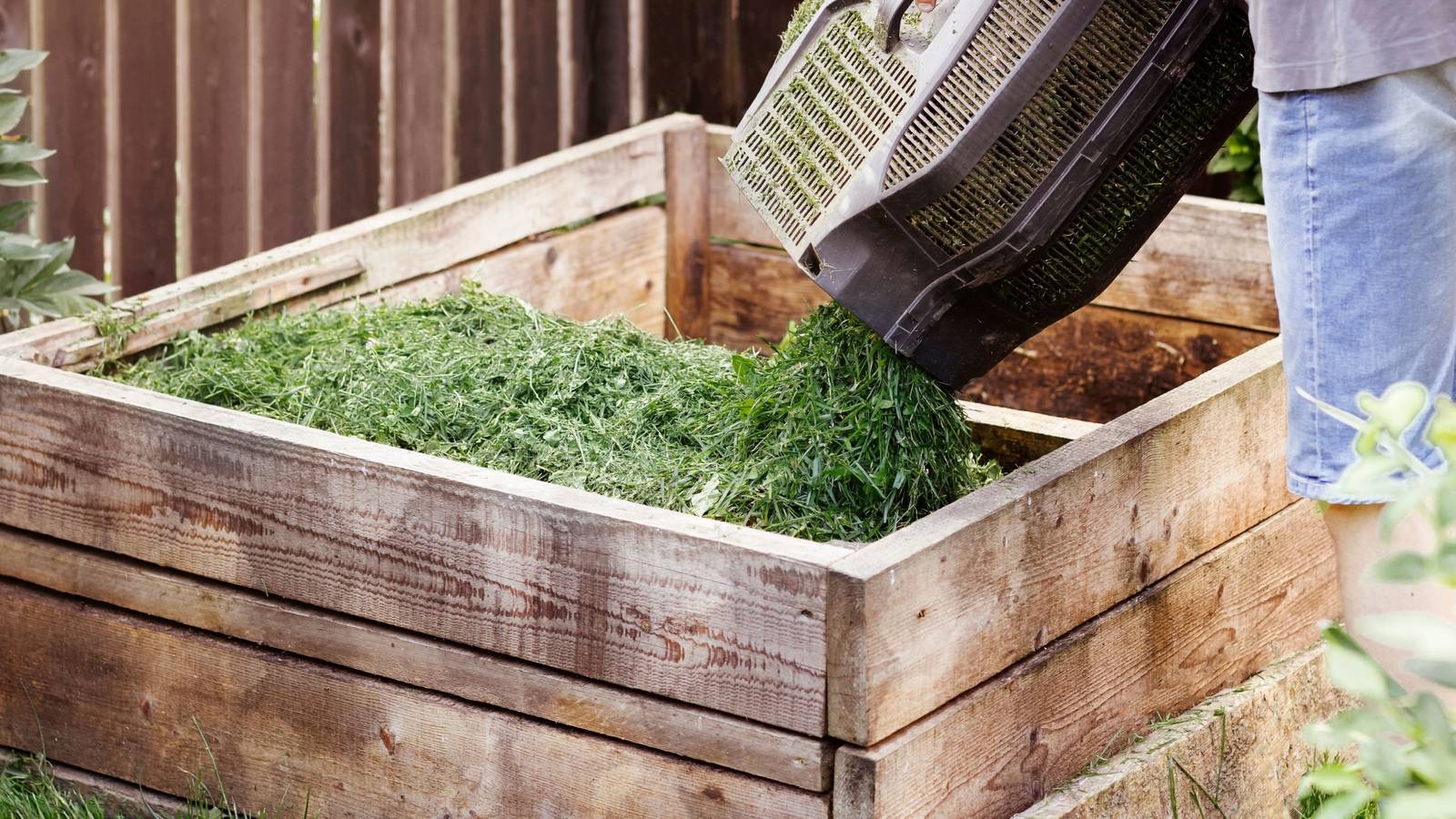
2. **Add the Right Materials:** Compost requires a balance of “greens” (nitrogen-rich materials like vegetable scraps, coffee grounds, and fresh grass clippings) and “browns” (carbon-rich materials such as dry leaves, straw, and cardboard). Aim for a ratio of roughly 2:1 browns to greens.
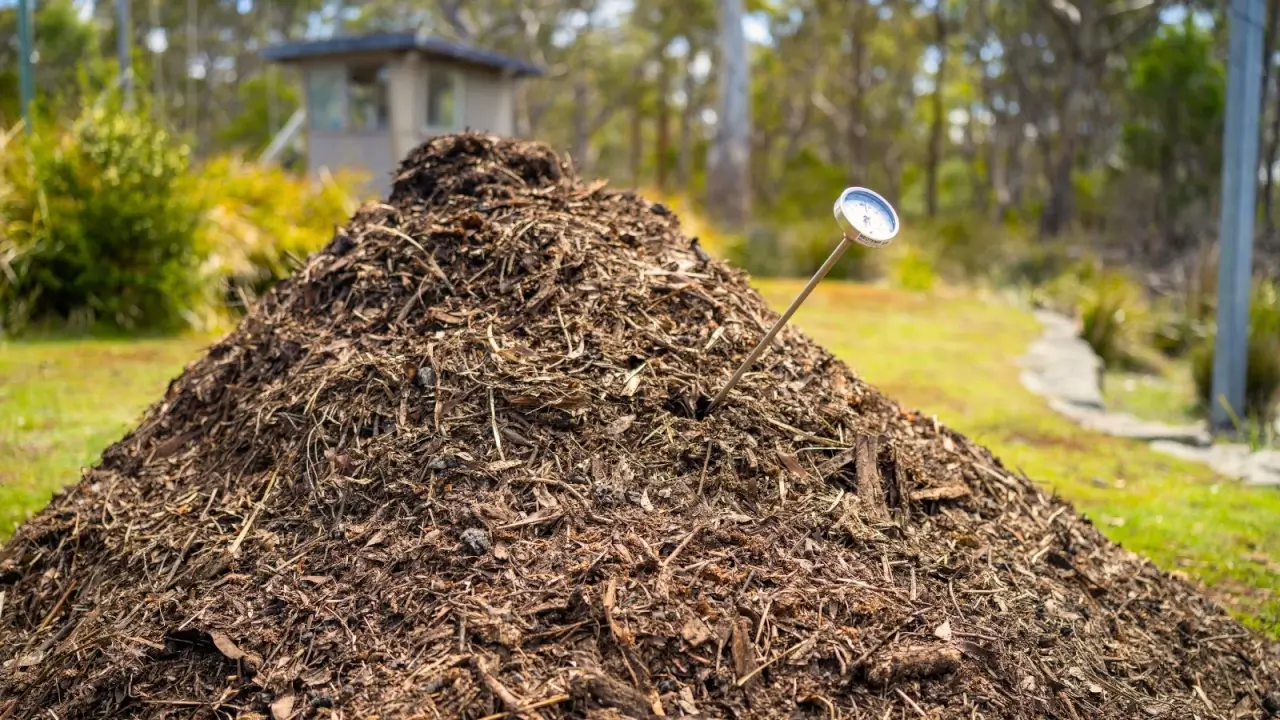
3. **Maintain Moisture and Aeration:** Keep the compost pile moist, similar to a damp sponge, and turn it regularly to provide oxygen. This helps microorganisms break down the materials efficiently.
4. **Wait for Decomposition:** Depending on conditions, compost can take anywhere from a few weeks to several months to mature. Finished compost is dark, crumbly, and smells earthy.
5. **Use Your Compost:** Once ready, mix compost into garden beds, use it as mulch, or blend it with potting soil to boost plant health.
Benefits of Using Compost in Your Garden
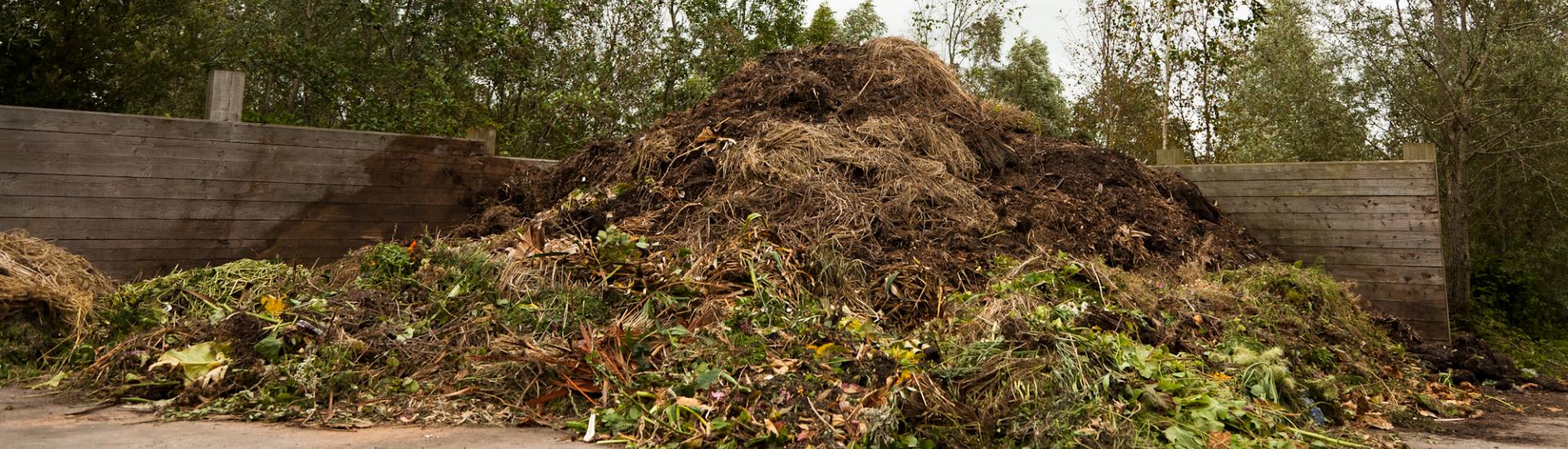
Incorporating compost into your gardening routine offers numerous advantages:
– **Improves Soil Fertility:** Compost adds vital nutrients that promote vigorous plant growth without harmful chemicals.
– **Enhances Soil Structure:** It increases the soil’s ability to retain moisture and nutrients, reducing the need for frequent watering.
– **Reduces Waste:** Composting diverts organic waste from landfills, lowering methane emissions and environmental impact.
– **Supports Beneficial Microorganisms:** Compost encourages a healthy soil ecosystem, which helps plants resist pests and diseases.
– **Saves Money:** By producing your own fertilizer, you reduce the need to purchase commercial products.
Common Composting Challenges and Solutions
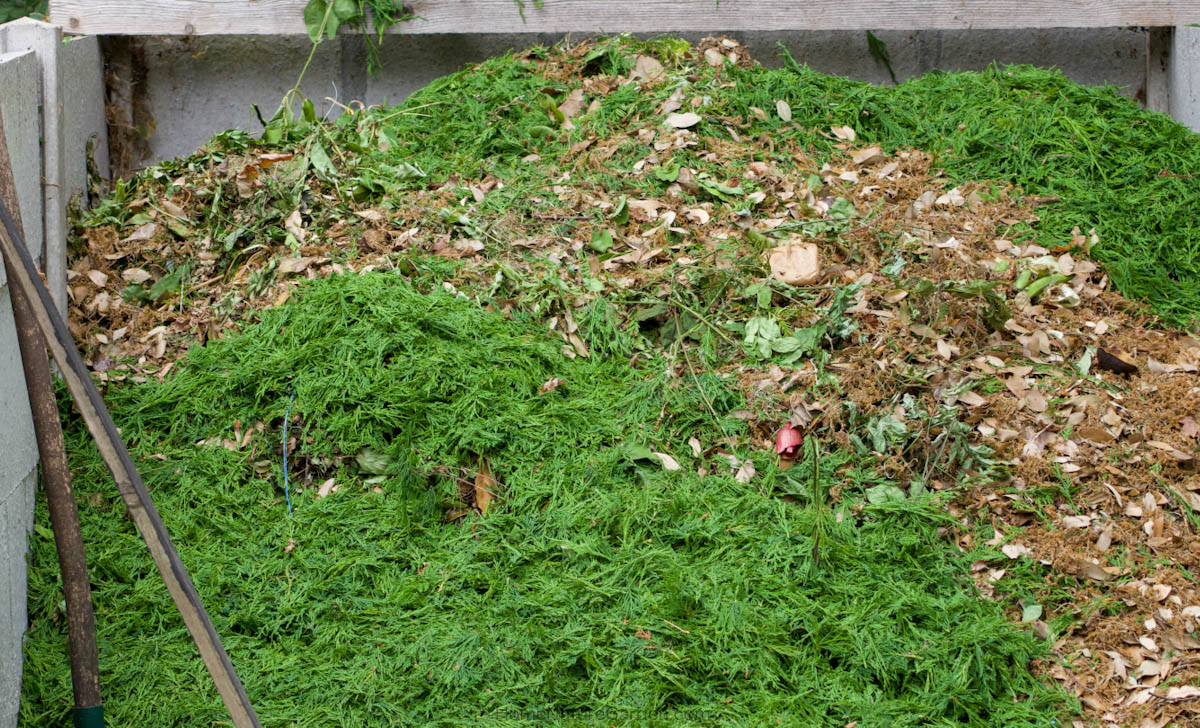
While composting is simple, some gardeners encounter issues such as unpleasant odors, slow decomposition, or pests. Here are tips to overcome these challenges:
– **Odors:** Usually caused by excess moisture or too many greens. Add more browns and turn the pile to improve aeration.
– **Slow Decomposition:** Chop materials into smaller pieces and maintain proper moisture and temperature to speed up the process.
– **Pests:** Avoid adding meat, dairy, or oily foods. Use a closed bin or cover the pile with a tarp to deter animals.
Why Composting Matters for the Environment

Composting is more than just a gardening technique; it plays a crucial role in environmental conservation. Organic waste in landfills produces methane, a potent greenhouse gas contributing to climate change. By composting, you reduce landfill volume and greenhouse gas emissions. Furthermore, compost enriches soil, which can sequester carbon and improve ecosystem resilience.
Many communities encourage composting through local programs and incentives, recognizing its value in sustainable waste management and environmental health.
Conclusion
Embracing composting is a simple yet powerful way to nurture your garden and protect the environment. By turning everyday organic waste into nutrient-rich compost, you can enhance soil quality, reduce waste, and promote sustainable gardening practices. Start your composting journey today and experience the benefits firsthand. Ready to transform your garden with compost? Begin composting now and watch your plants thrive like never before!