vegetable garden
Meta description:
Creating a thriving vegetable garden is a rewarding way to enjoy fresh, organic produce right at home. Whether you have a spacious backyard or a small balcony, learning the essentials of vegetable gardening can help you grow healthy, delicious vegetables with ease. This comprehensive guide covers everything from soil preparation to plant selection, ensuring your vegetable garden flourishes throughout the seasons.
How to Start and Maintain a Successful Vegetable Garden
Growing your own vegetable garden is an excellent way to connect with nature, improve your diet, and reduce grocery bills. With a little planning and care, you can cultivate a vibrant garden that yields fresh vegetables all year round. This article will guide you through the fundamental steps to establish and maintain a productive vegetable garden, no matter your experience level.
Essential Tips for a Thriving Vegetable Garden
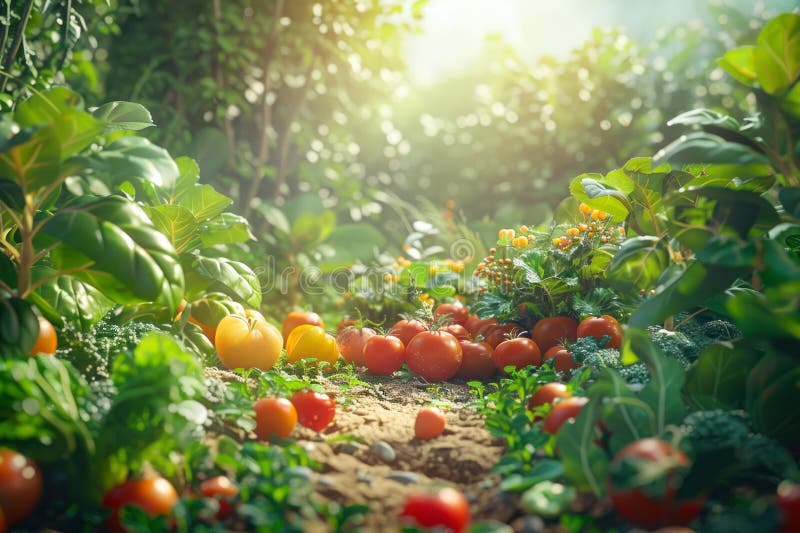
Starting a vegetable garden requires attention to several key factors that influence plant growth and yield. Here are some essential tips to help your vegetable garden thrive:
Choose the Right Location
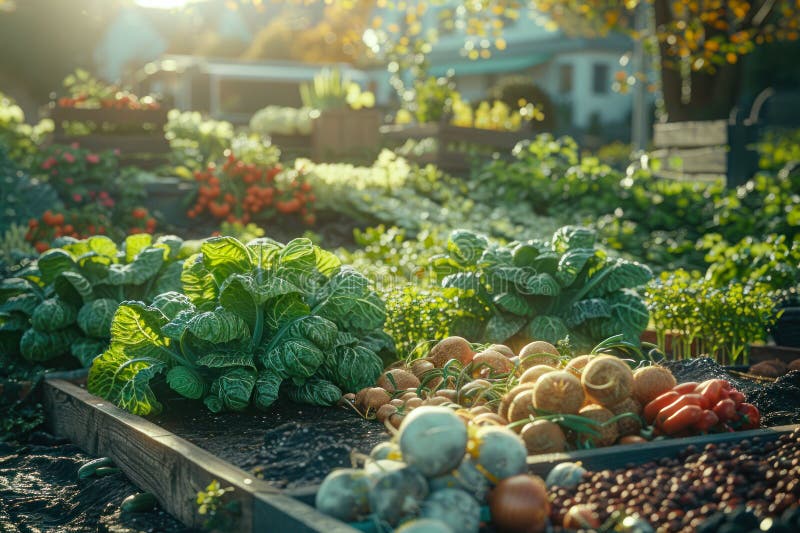
Selecting an ideal spot is crucial for your vegetable garden’s success. Most vegetables need at least six to eight hours of direct sunlight daily. Look for a flat area with good drainage to prevent waterlogging, which can damage roots. Avoid places shaded by trees or buildings, as insufficient sunlight can stunt plant growth.
Prepare the Soil Properly
Healthy soil is the foundation of a productive vegetable garden. Begin by testing your soil’s pH and nutrient levels using a home testing kit or by sending a sample to a local extension service. Most vegetables prefer slightly acidic to neutral soil with a pH between 6.0 and 7.0. Amend your soil with organic matter such as compost or well-rotted manure to improve fertility, texture, and moisture retention.
Select Suitable Vegetables
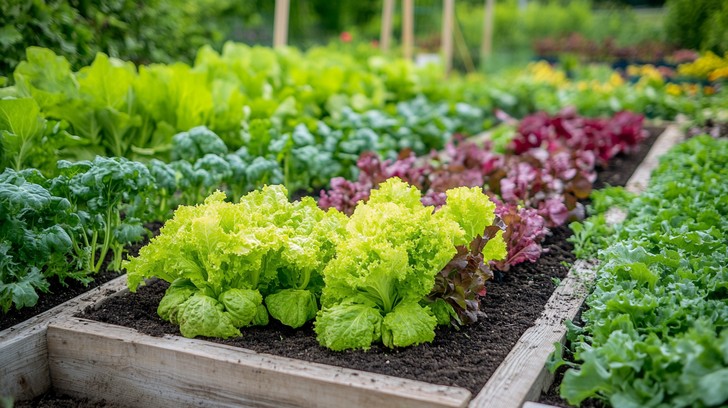
Choose vegetables that are well-suited to your climate, soil type, and available space. Beginners may want to start with easy-to-grow varieties like tomatoes, lettuce, carrots, and beans. Consider the growing season and plant vegetables that mature at different times to ensure a continuous harvest.
Planting and Spacing
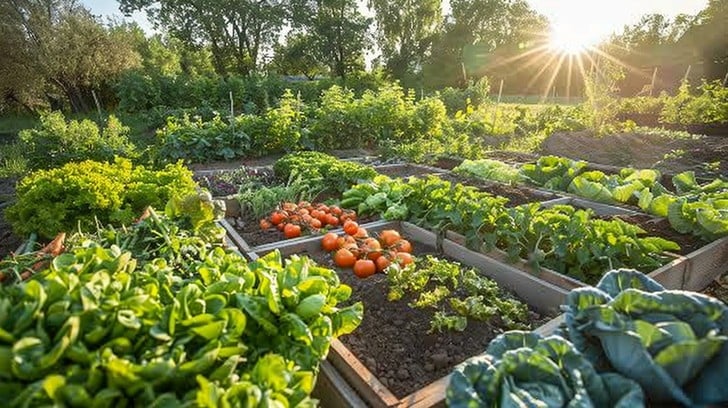
Follow seed packet instructions or plant labels for proper planting depth and spacing. Overcrowding can lead to poor air circulation and increase the risk of diseases. Adequate spacing allows each plant to access sufficient nutrients, sunlight, and water.
Watering and Mulching
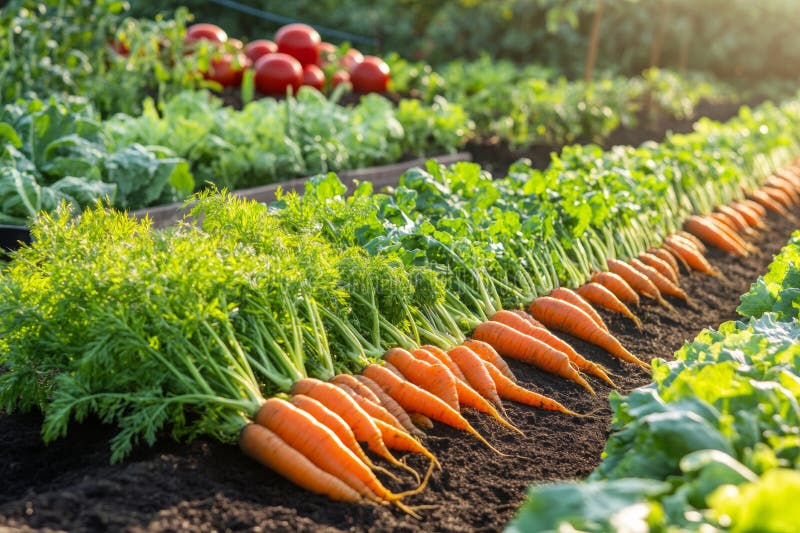
Consistent watering is vital, especially during dry spells. Water your vegetable garden deeply and less frequently to encourage strong root development. Mulching with straw, leaves, or wood chips helps retain soil moisture, suppress weeds, and regulate soil temperature.
Pest and Disease Management
Keep an eye out for common pests such as aphids, caterpillars, and slugs. Use natural pest control methods like introducing beneficial insects, handpicking pests, or applying organic insecticides. Crop rotation and proper sanitation can help prevent diseases and maintain soil health.
Seasonal Care and Harvesting Tips
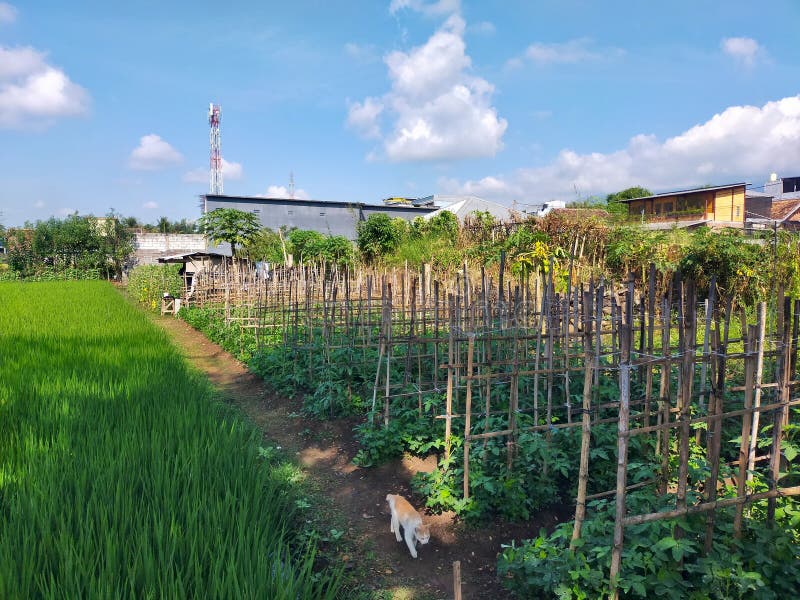
Maintaining your vegetable garden throughout the growing season is essential for a bountiful harvest. Here are some seasonal care tips:
Spring and Early Summer
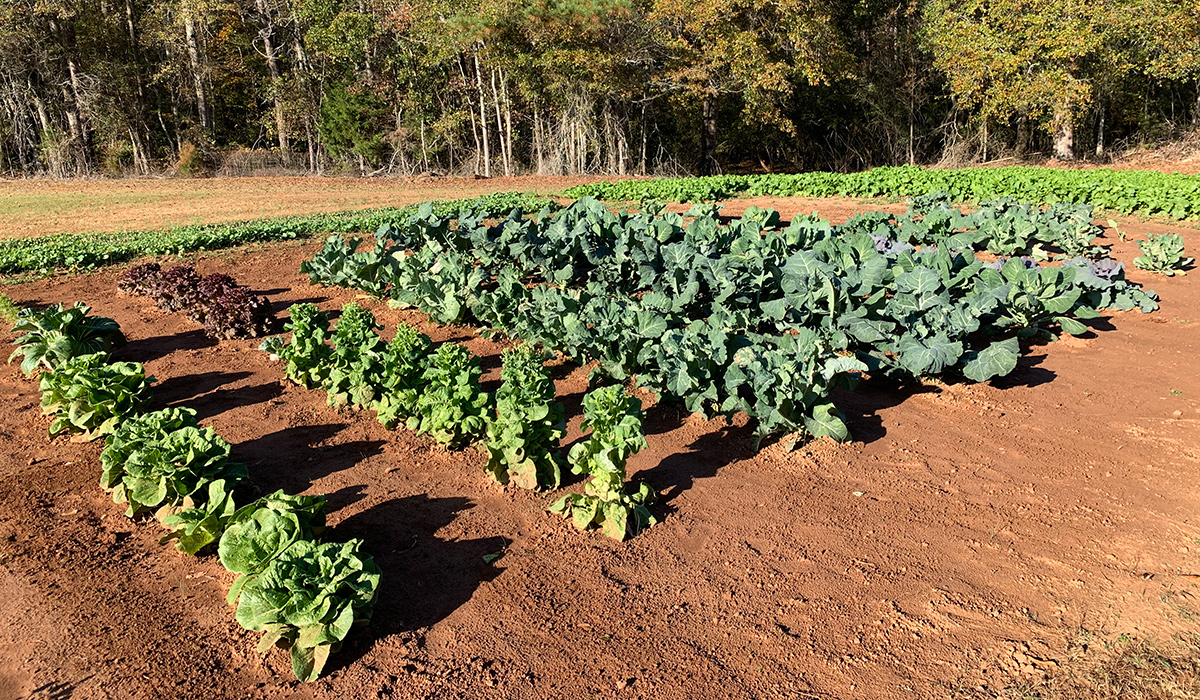
Prepare beds by removing weeds and adding compost. Start seeds indoors or directly sow cool-season crops like spinach, radishes, and peas. As temperatures rise, transplant warm-season vegetables such as tomatoes and peppers.
Mid to Late Summer
Keep up with regular watering and mulching. Monitor for pests and diseases, and harvest vegetables promptly to encourage continued production. Consider succession planting to replace harvested crops with new seedlings.
Fall and Winter
Harvest remaining vegetables before the first frost. Clear out old plants and add organic matter to enrich the soil for next season. In mild climates, plant cover crops like clover or rye to protect and improve soil health during winter.
Conclusion
Starting a vegetable garden is a fulfilling project that brings fresh flavors and health benefits to your table. By choosing the right location, preparing your soil, selecting suitable plants, and providing consistent care, you can enjoy a thriving vegetable garden all year long. Ready to dig in and grow your own fresh produce? Start planning your vegetable garden today and experience the joy of homegrown vegetables!


