Why Did Ben Shephard Put Keir Starmer on the Spot Over the Proposed Under 16 Social Media Ban on This Morning?
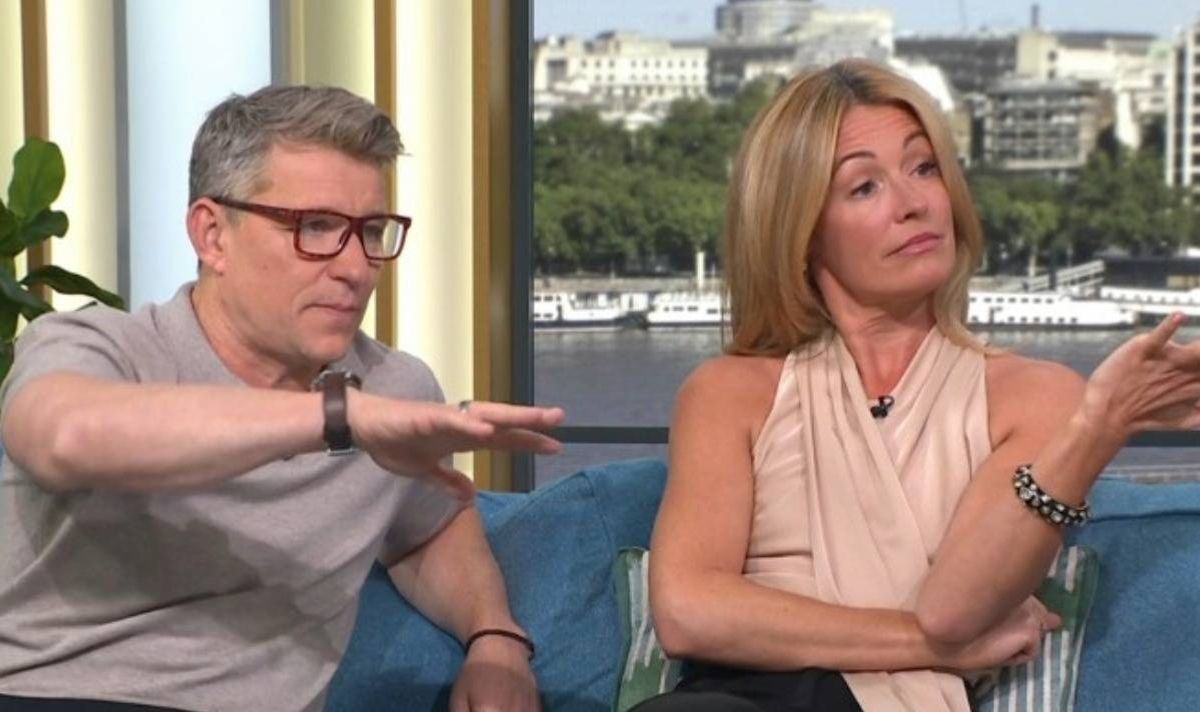
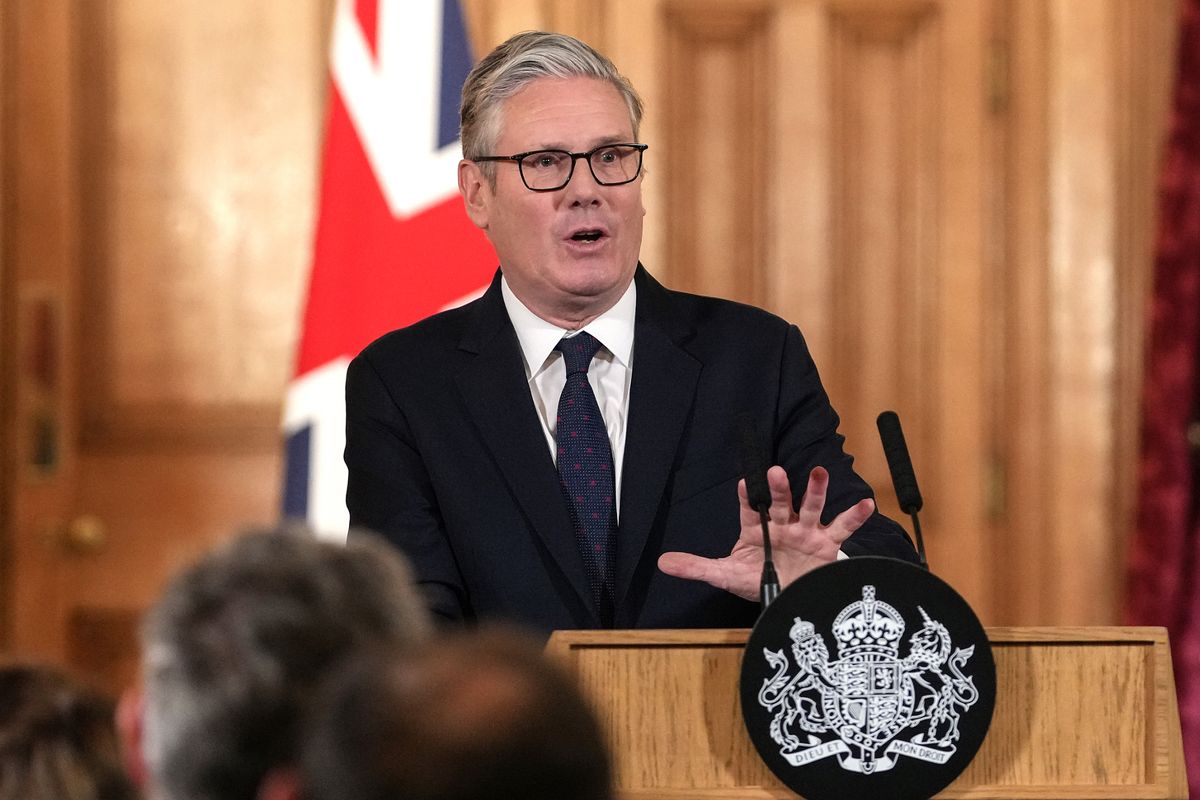
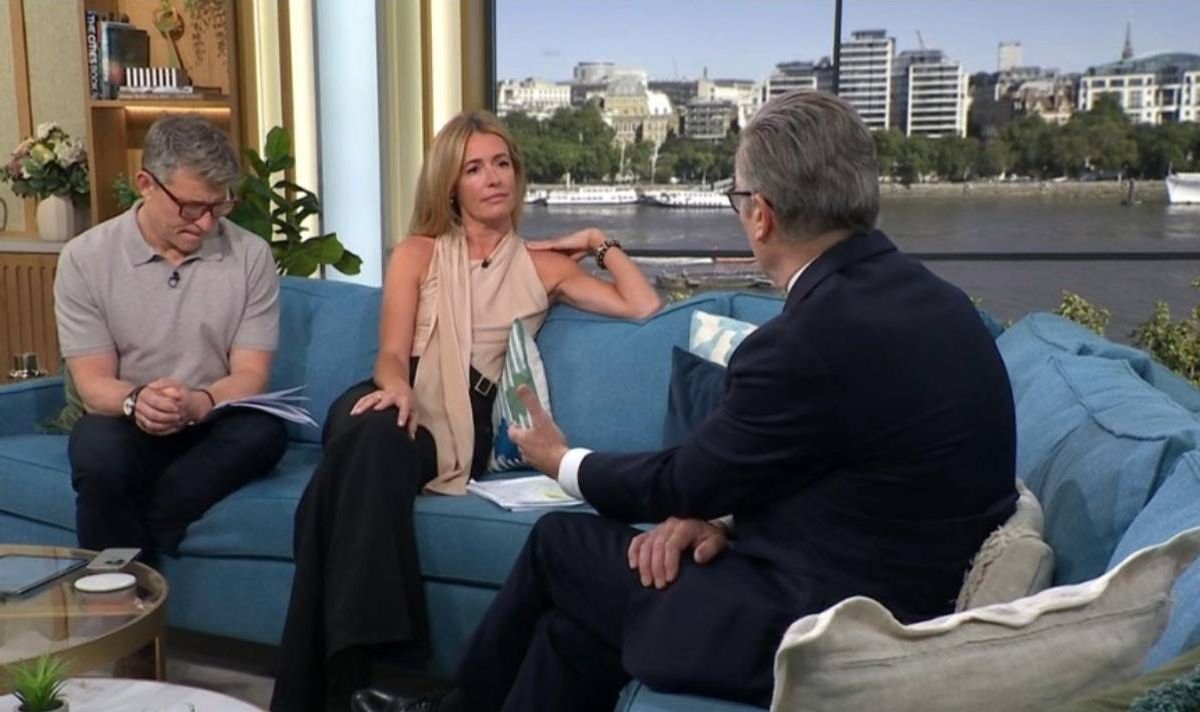
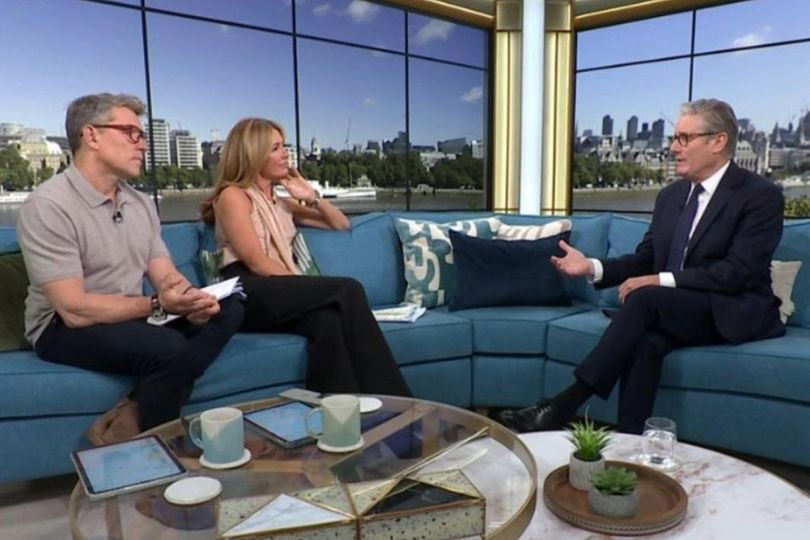
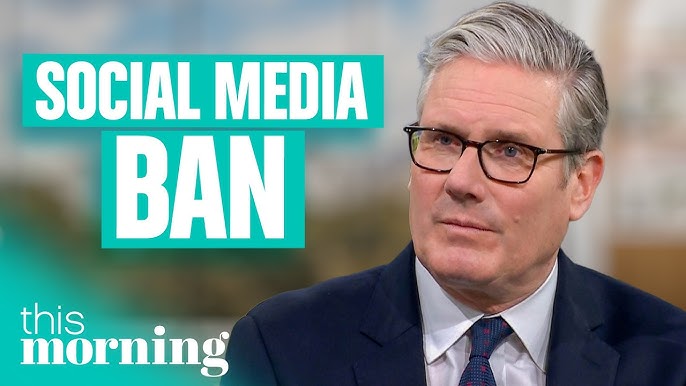
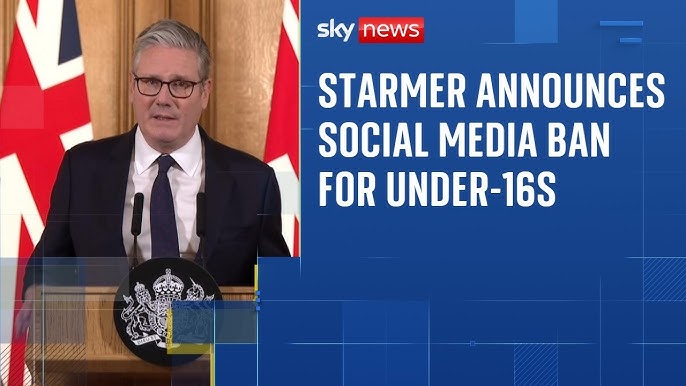
The debate surrounding social media regulation for minors has recently taken center stage, especially after a heated exchange on the popular daytime show, This Morning. Ben Shephard, the show’s co-host, confronted Labour leader Keir Starmer about his party’s proposal to ban social media use for children under 16. This intense questioning left many parents convinced that the plan might not be as effective as intended and could instead provide tech firms with an easy way to dodge accountability.
Ben Shephard’s Fierce Questioning on the Under 16 Social Media Ban
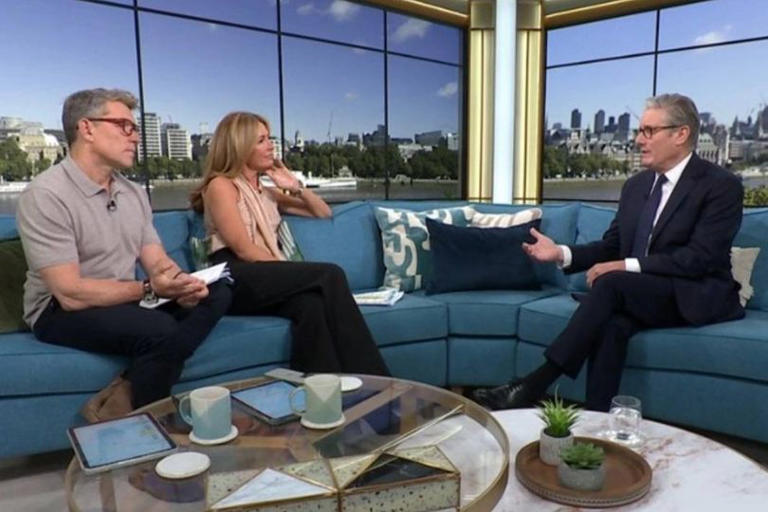
During the interview, Ben Shephard pressed Keir Starmer on the specifics of the proposed ban, seeking clarity on how it would be enforced and what measures would be taken to protect young users. Shephard’s line of questioning was direct and persistent, highlighting concerns about the practicality of the ban and its potential loopholes.
Shephard challenged Starmer on whether the ban would truly prevent underage children from accessing social media platforms or if it would simply shift responsibility onto the tech companies without holding them accountable for harmful content. This approach resonated with many viewers, especially parents who are increasingly worried about the impact of social media on their children’s mental health and safety.
Why Parents Are Skeptical About the Proposed Ban
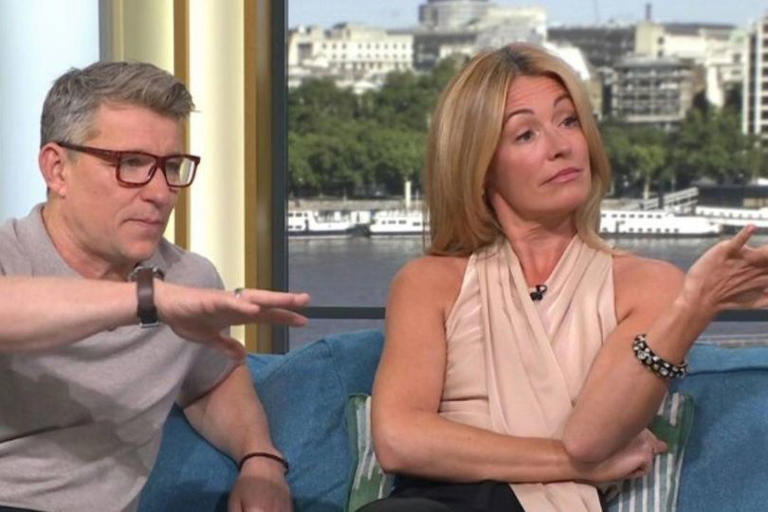
The reaction from parents following this exchange was largely one of skepticism. Many feel that while the intention behind the ban is commendable, the execution leaves much to be desired. Parents argue that simply banning under 16s from social media does not address the root causes of online harm, such as cyberbullying, misinformation, and exposure to inappropriate content.
Moreover, critics suggest that the plan could inadvertently provide tech companies with a convenient loophole. By focusing on age restrictions, the responsibility for monitoring and regulating harmful content might be shifted away from the platforms themselves. This could allow these companies to claim compliance without making substantial changes to their algorithms or content moderation policies.
The concern is that without stringent enforcement and clear accountability measures, the ban could become a symbolic gesture rather than a meaningful solution. Parents want to see robust protections that ensure their children’s online experiences are safe, rather than policies that merely push the problem out of sight.
The Broader Implications of the Social Media Ban Proposal
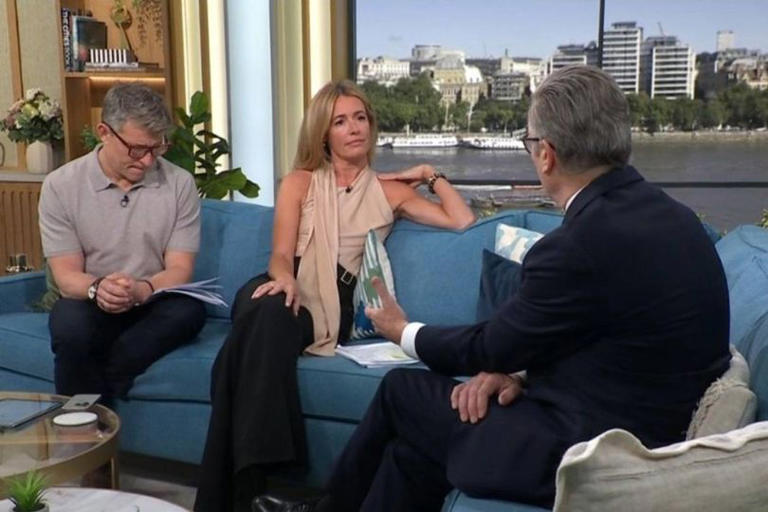
The discussion between Ben Shephard and Keir Starmer also sheds light on the broader challenges of regulating social media in the digital age. Governments worldwide are grappling with how to balance freedom of expression, technological innovation, and user protection, especially for vulnerable groups like children.
The proposed under 16 social media ban is part of a wider conversation about digital responsibility and the role of policymakers in safeguarding young users. It raises critical questions about enforcement mechanisms, the role of parents and educators, and the accountability of tech giants.
Experts argue that any effective policy must be multifaceted, combining age restrictions with education, parental controls, and stronger regulatory oversight. Without this comprehensive approach, bans risk being ineffective or even counterproductive.
Conclusion
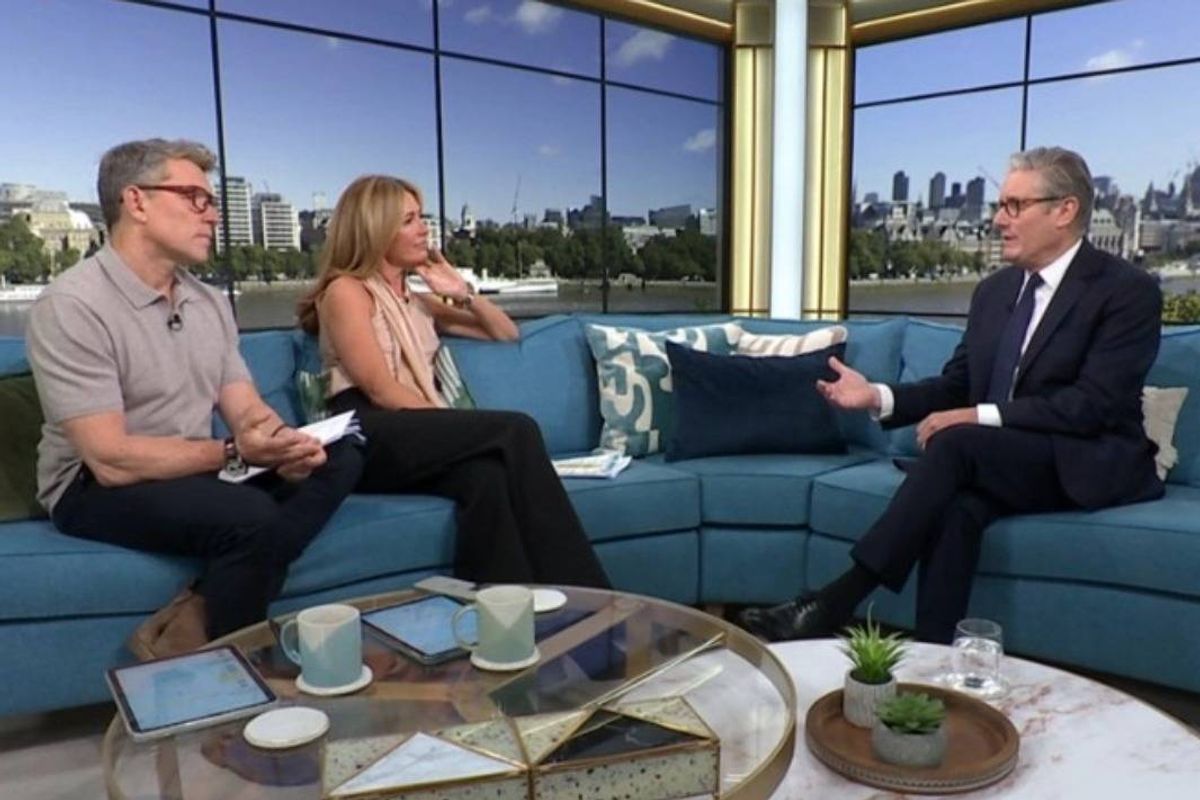
Ben Shephard’s tough questioning of Keir Starmer on This Morning brought to light significant concerns about the proposed under 16 social media ban. While the proposal aims to protect young users, many parents remain unconvinced, fearing it could allow tech companies to sidestep real responsibility. As the debate continues, it’s crucial for policymakers to listen to these concerns and develop strategies that genuinely safeguard children online.
If you’re a parent or concerned about online safety, stay informed and join the conversation to advocate for stronger protections for young social media users. Together, we can push for policies that make a real difference.